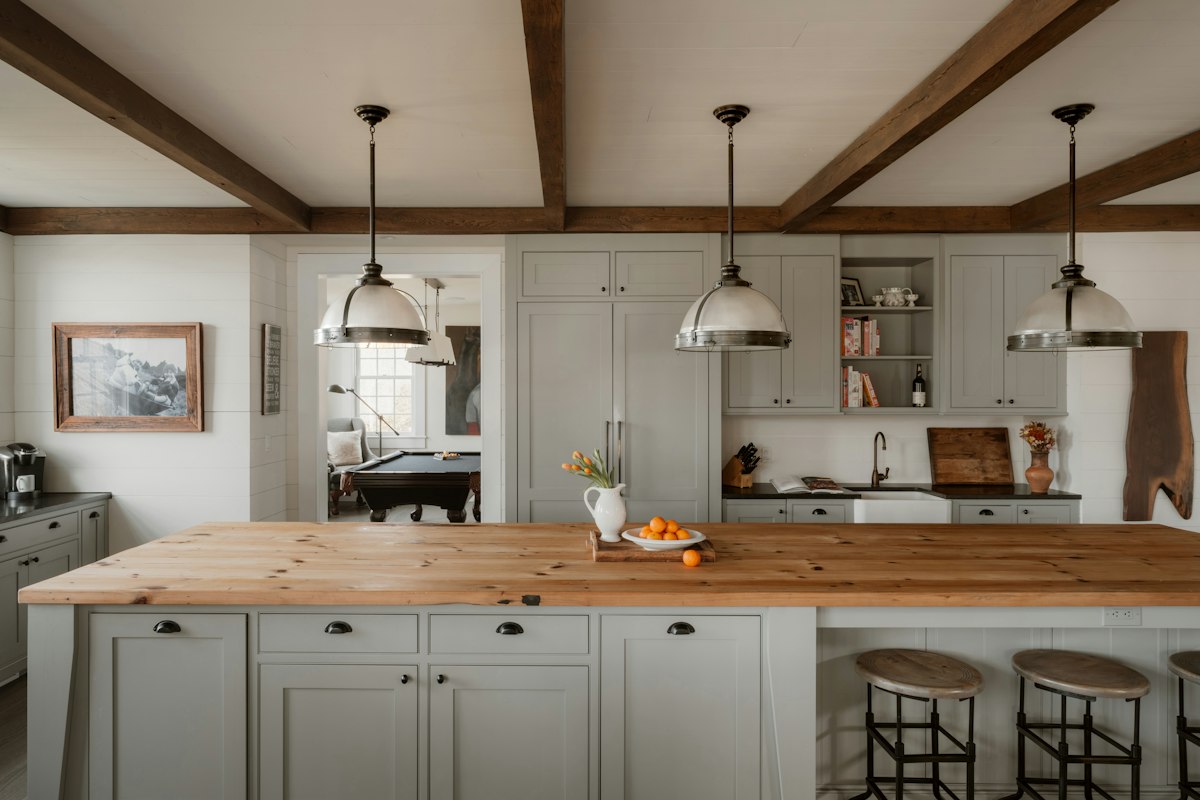
Consider heat, staining, cleaning and repair when comparing worktop samples. Natural stone, engineered surfaces, timber and laminate behave differently. Ask for the current care and installation guidance for the exact product rather than relying on the material name alone.
Examine joints, edges and sink cutouts in the quote. These details affect appearance and cost, especially on a complicated layout. View a larger sample when a material has strong pattern movement so a small chip does not create unrealistic expectations.
Use trivets and cutting boards unless the manufacturer explicitly permits direct contact. Choose a finish you can maintain with ordinary habits. Have the installer confirm support, templating and access before the final slab or prefabricated section is ordered.
Describe your cooking habits before comparing worktop materials. Baking, frequent cooking, children using the counter and occasional entertaining all create different patterns of use. Think about which marks would bother you and which changes you could accept as normal wear. A material that suits a carefully managed display kitchen may demand more care than you want in an everyday household.
Ask for product specific information about heat, staining and chemical exposure. Terms such as stone or composite cover products with different characteristics, and a general category cannot establish the care requirements of a chosen surface. Read the actual guidance before purchase and discuss any uncertainty with the supplier. Avoid testing a sample with a damaging substance unless the manufacturer expressly supports that assessment.
Include fabrication details when comparing prices. Cutouts, edge profiles, joints, support and access can change the installed cost substantially. A complex layout may require a different approach from a simple straight run. Have the fabricator confirm how pieces will be measured, transported and fitted, and ask what happens if the room or appliance specification changes after templating.
Consider how the worktop connects visually with cabinets and flooring. A heavily patterned surface can become the main feature, allowing other elements to remain quieter. Natural materials may vary beyond the small sample, so discuss slab selection or expected variation where relevant. An appearance that you enjoy at close range should also work across the full size of the kitchen.
Compare repair and maintenance options as part of the decision. Ask which marks can be improved, who should carry out the work and whether joints or sealants need observation. Keep the care information accessible after fitting and use appropriate protection for hot cookware and cutting. A successful surface is one whose appearance and ordinary care remain compatible with the way you actually cook.
Ask who is responsible for the final measurements and when those measurements can be taken. The worktop may depend on cabinets being installed and checked first. Understanding that handover helps avoid an unrealistic expectation that every fabricated surface can arrive at the start of the project without any confirmed site dimensions.
Before ordering, check the exact product drawings and installation instructions with your supplier. Have plumbing, electrical, ventilation and other specialist work assessed and completed by appropriately qualified professionals.