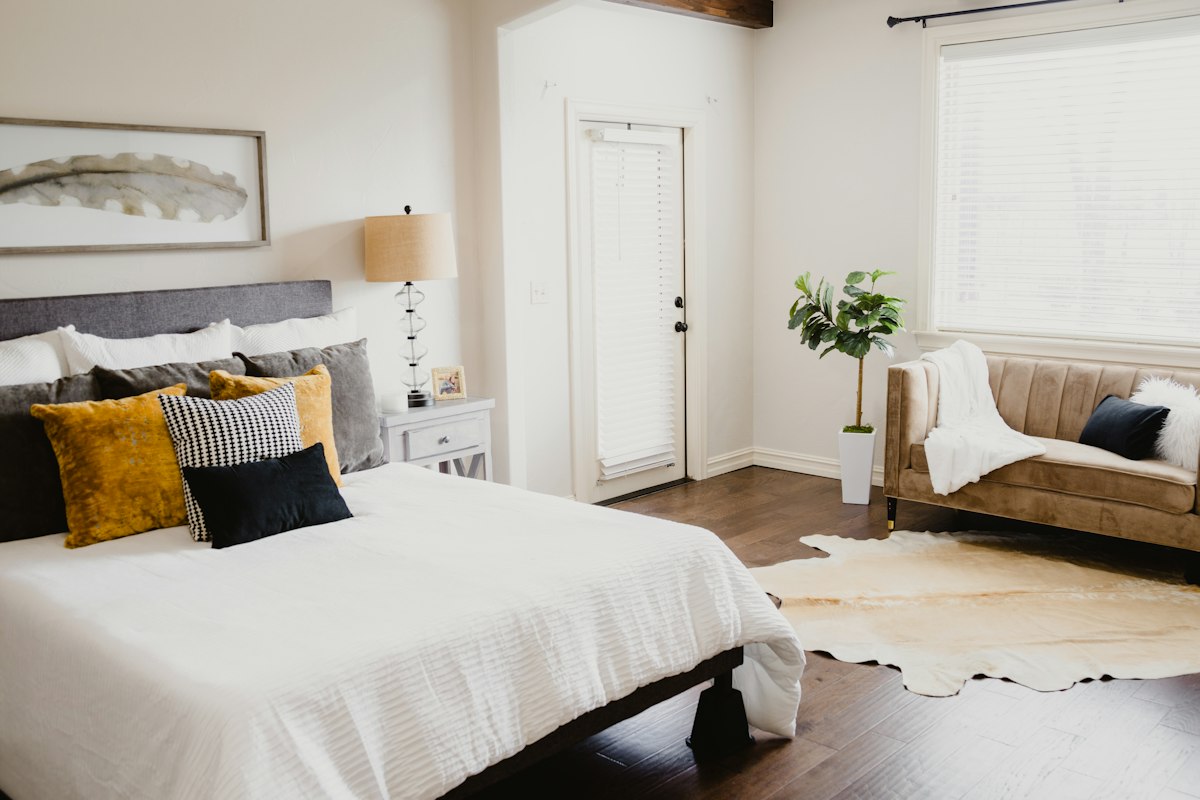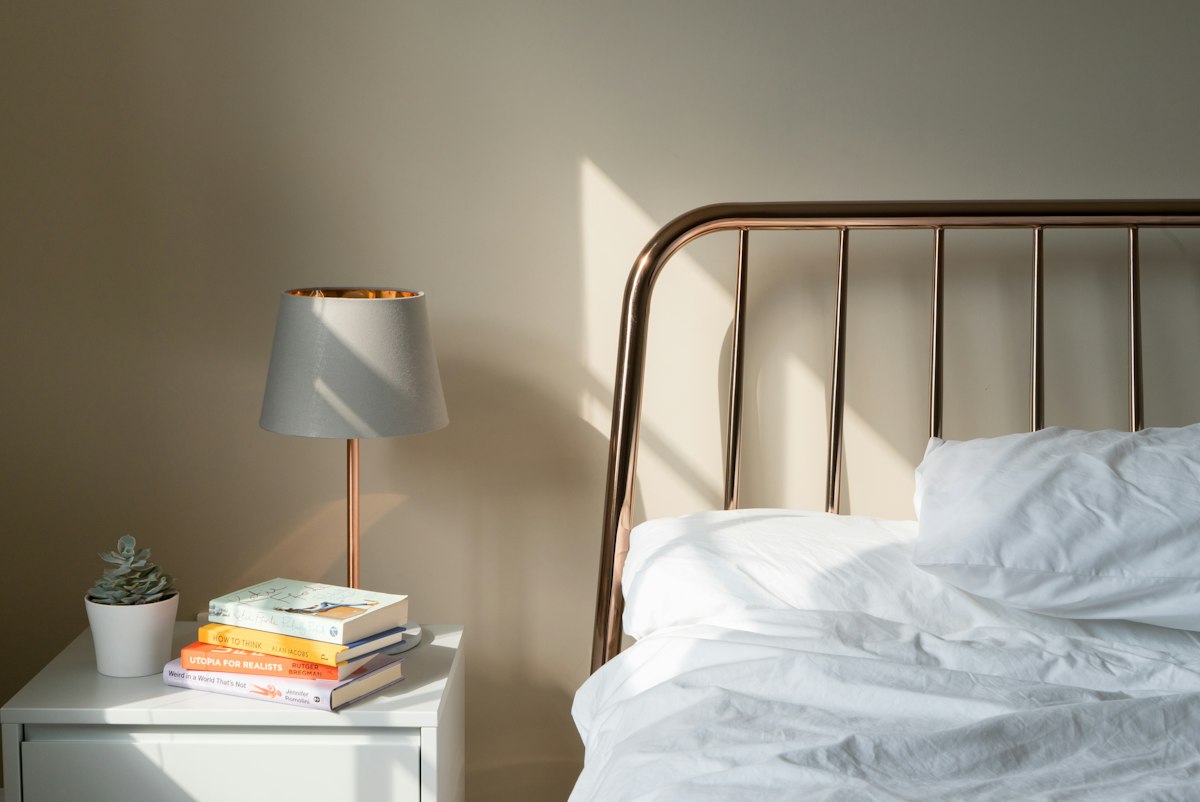
Start with the wall and headboard colours and choose bedding that supports the intended mood. A quiet base allows small changes through throws or cushion covers without replacing everything. Compare materials for comfort and laundering as well as appearance.
Read care labels before purchasing and consider how much storage spare bedding will need. Strong texture can add interest without a complicated pattern mix. Avoid layering so many decorative pieces that making the bed becomes a daily task you dislike.
Compare bedding in relation to how the bed is used and washed. A textile that looks beautifully relaxed may require more ironing or specialist care than you want. Read the product label before deciding on colour or texture. Keep the number of layers appropriate to the household rather than treating a fully styled display as the minimum necessary arrangement.
Start with a base colour that works beside the wall and headboard. Then decide whether a smaller patterned element will add useful interest. A printed cover, strongly textured throw and patterned curtain can compete when all are equally prominent. View samples together and choose which one should lead, leaving enough quiet background around it.
Check product dimensions against the actual mattress, pillows and duvet. Category names do not always communicate identical measurements across brands or markets. A cover that is too small can be awkward to fit, while a very oversized layer may drag on the floor. Confirm care and shrinkage guidance rather than assuming the appearance will remain exactly as it was in the package.
Consider how much spare bedding can be stored cleanly and accessed when needed. A larger collection requires more cupboard capacity and can become difficult to rotate. Keep sets together in a simple arrangement that makes the right size easy to identify. Avoid buying additional pieces merely because the wardrobe still has an empty shelf.
Judge texture both by touch and by the way it catches the bedroom light. A subtle weave may provide enough detail without a strong colour contrast. Test the combination under bedside lighting as well as in daylight. Materials that appear similar on a screen can differ noticeably when placed beside the headboard or curtain fabric.
Keep decorative additions manageable. If cushions and throws have no sensible place during the night, reduce their number or provide an appropriate storage spot. The bed should remain easy to make on an ordinary morning. A considered palette and a few useful layers can create a complete appearance without adding several objects that are moved twice every day.
Review the combination after laundering according to the label. Comfort, drying time and ease of refitting matter more over time than the first unwrapping. Keep references for pieces you may want to replace individually so a worn item does not require changing the whole bedding scheme.
View samples under the light used in the bedroom. Keep the combination practical for the season and household routine. A considered bed can feel complete with only a few useful layers rather than the largest possible collection of pillows.
Check dimensions against your room and follow furniture anchoring, textile care and electrical safety instructions. Use a competent installer for uncertain wall fixings and appropriately qualified help for permanent service changes.