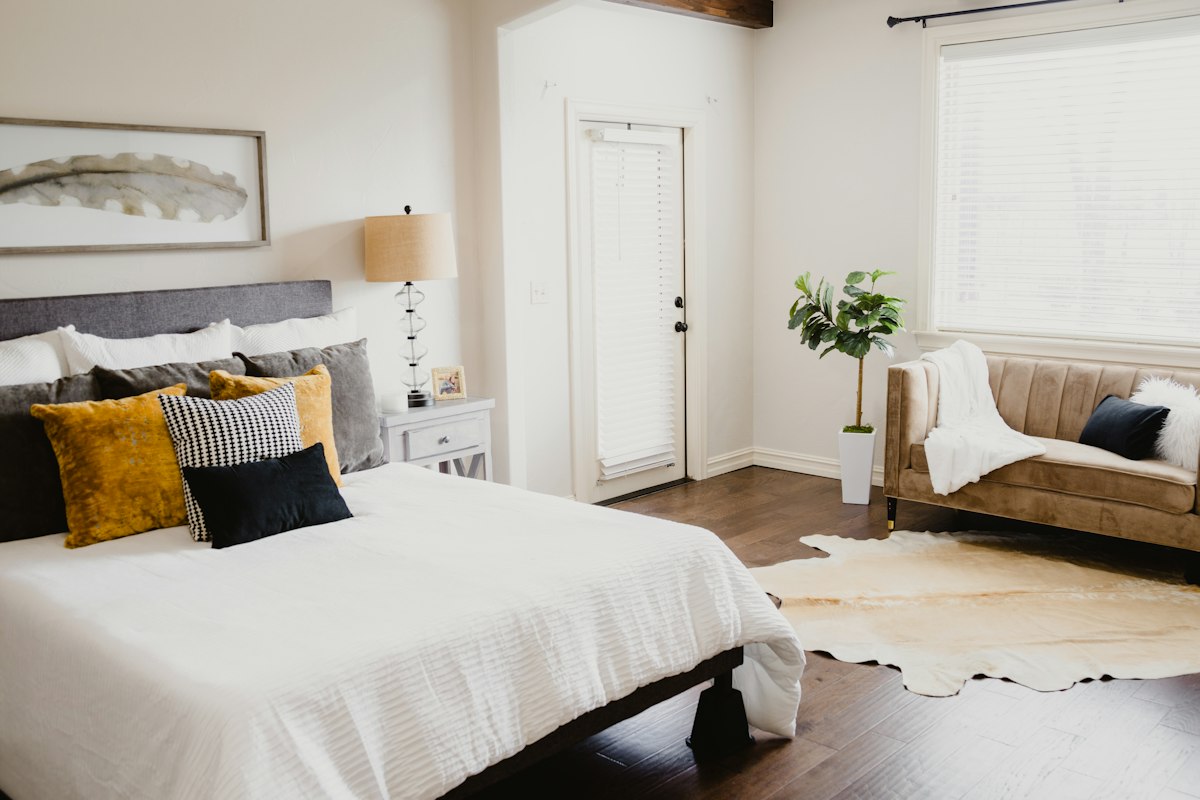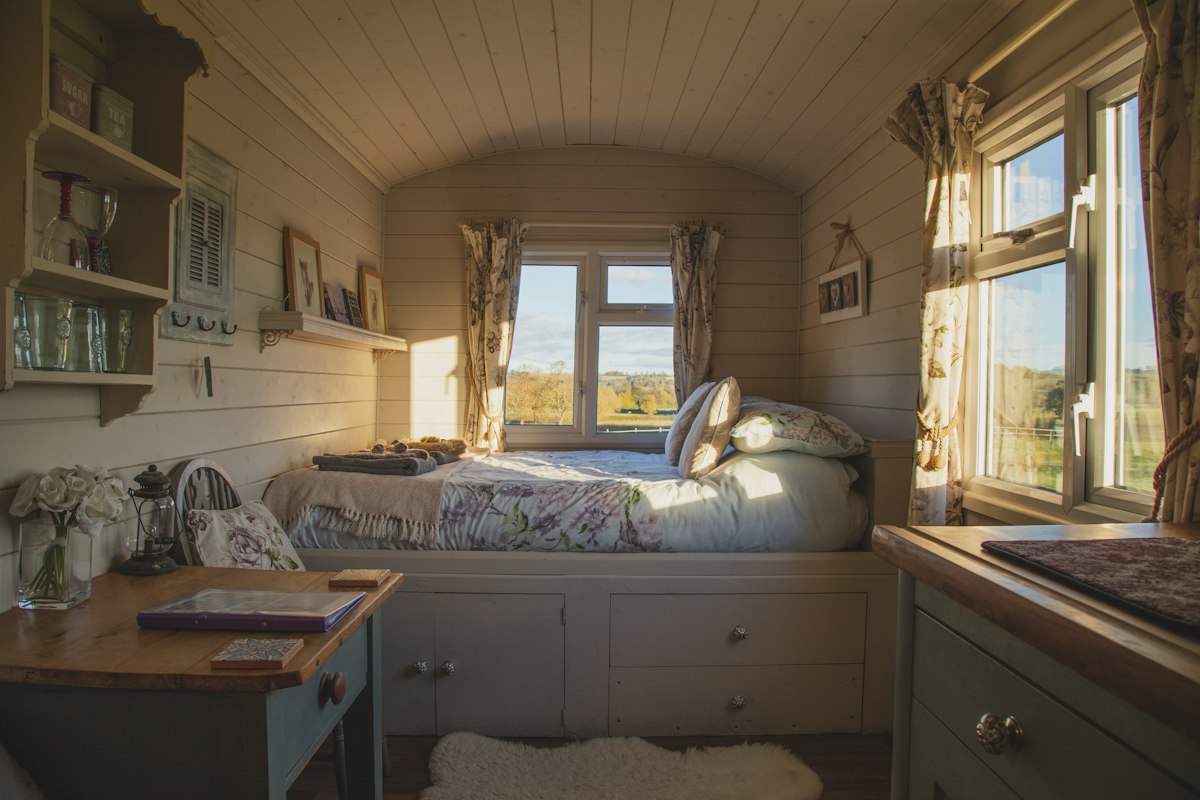
Decide how the room needs to work between visits before choosing furniture. A guest room may also support reading, occasional work or household storage. Keep enough clear space to prepare the bed without moving a large collection of unrelated items.
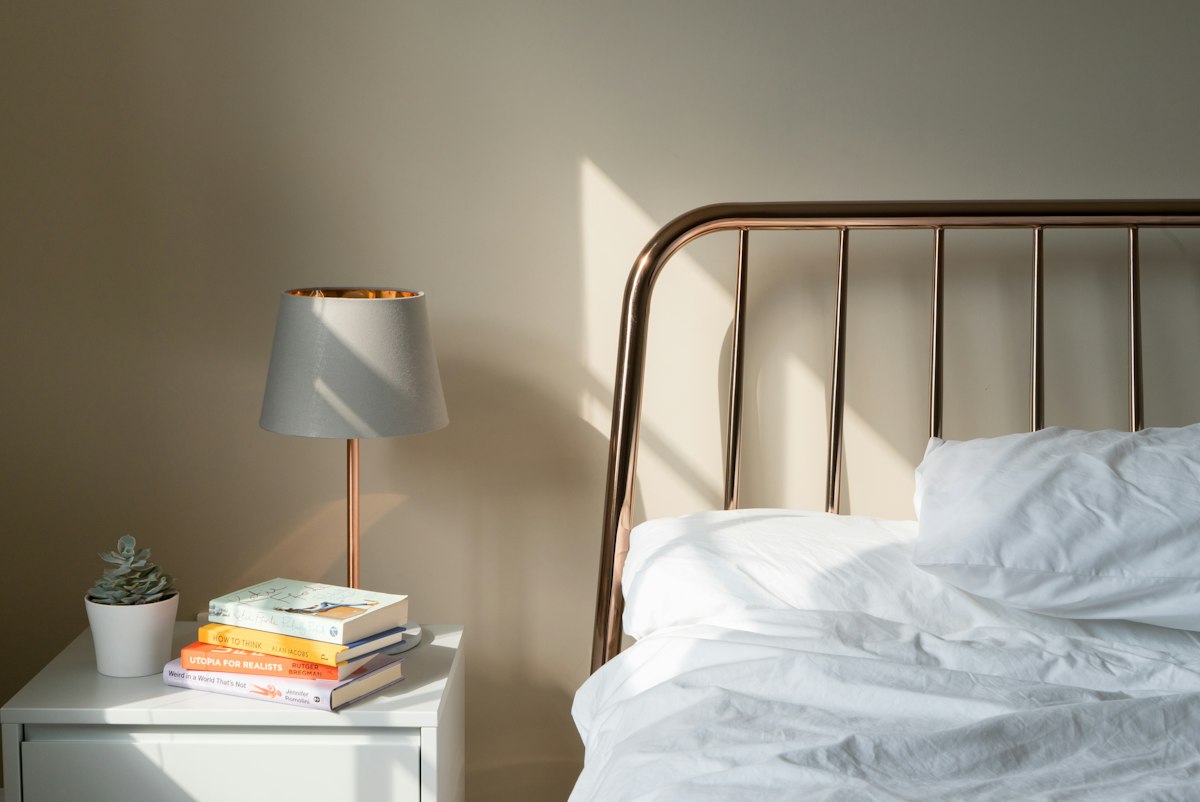
Provide a reachable light, a small surface and some accessible storage for visitors. Test any folding or convertible furniture in its open position. Check product instructions and make sure the transformation can be managed safely by the people who will use it.
Decide which everyday function the spare room genuinely needs to support. Occasional laptop use, quiet reading and extensive household storage lead to different furniture choices. Give the most frequent activity a practical place while protecting the space required when visitors arrive. A flexible room should not depend on moving a heavy cabinet every time the bed is opened.
If using a sofa bed or folding bed, examine its complete open dimensions and operating instructions. Include the mattress, frame movement and approach space on the plan. Try the mechanism if possible and ask where loose cushions or bedding will go. A compact closed footprint can disguise a much larger and more awkward arrangement during actual use.
Provide a small area visitors can use without disturbing the household storage system. An empty drawer, part of a rail or a stable luggage surface may be sufficient. Keep these spaces clearly available instead of filling them again between visits. A guest should not have to place belongings on the floor simply because the room contains many cupboards.
Keep lighting useful for both the everyday activity and overnight use. A desk lamp may not be reachable from the bed once the furniture is converted. Check the route to the door in the night and keep leads clear of it. Have fixed electrical changes assessed by a qualified electrician rather than adding a series of improvised connections.
Choose durable, manageable textiles that can be prepared without a lengthy styling routine. Store the appropriate bedding together and check that it fits the guest mattress rather than assuming standard names are identical. Consider how curtains provide privacy when the bed is in its guest position. The room needs to function comfortably after the decorative cushions have been put away.
Rehearse the change between uses before calling the room complete. Open the bed, place the bedside objects and walk through the available routes. Notice which items must move and whether they have a sensible temporary home. Simplify any step that feels cumbersome, because a room that is easy to prepare is more likely to stay useful throughout the year.
Ask an overnight visitor for practical feedback after the room has been used. A missing hook or awkward lamp switch may become obvious only then, and a small adjustment can improve the experience without changing the complete furniture plan.
Use a controlled palette so the different functions still feel connected. Keep guest essentials together for quick preparation. A flexible room succeeds when switching between uses is straightforward rather than an extensive rearrangement every time.
Check dimensions against your room and follow furniture anchoring, textile care and electrical safety instructions. Use a competent installer for uncertain wall fixings and appropriately qualified help for permanent service changes.