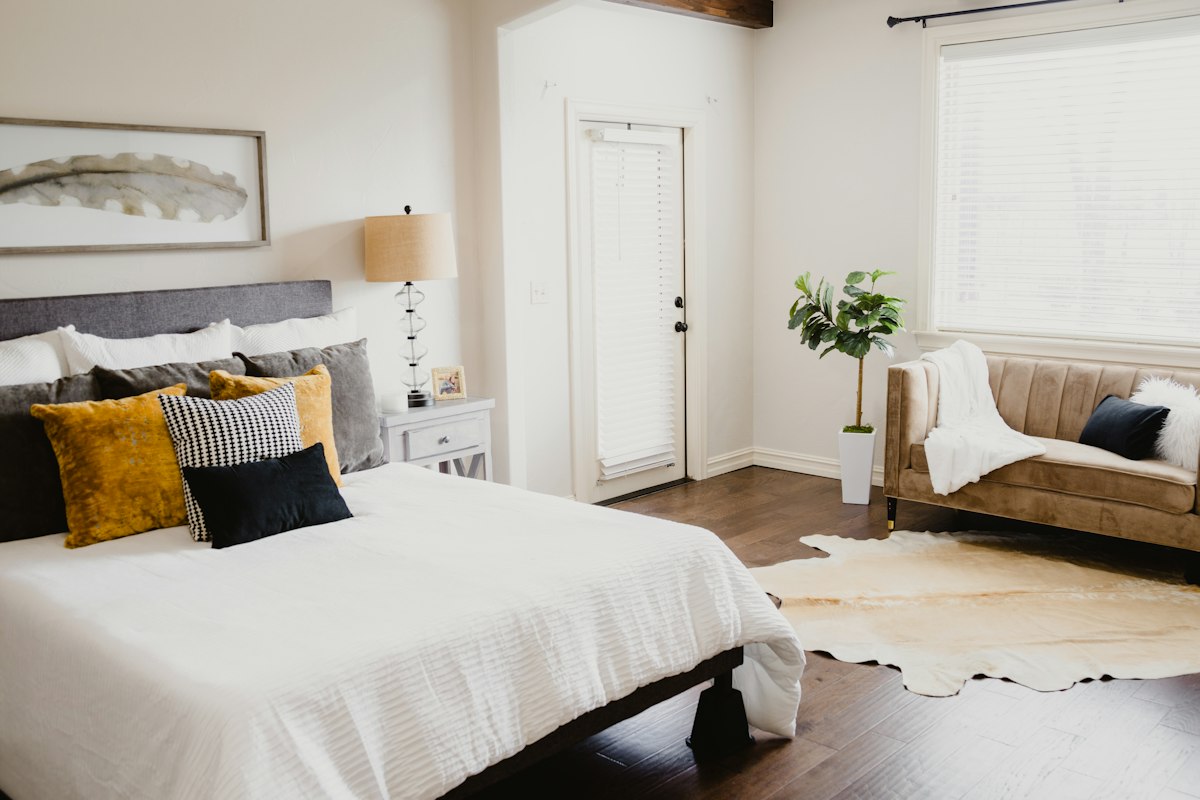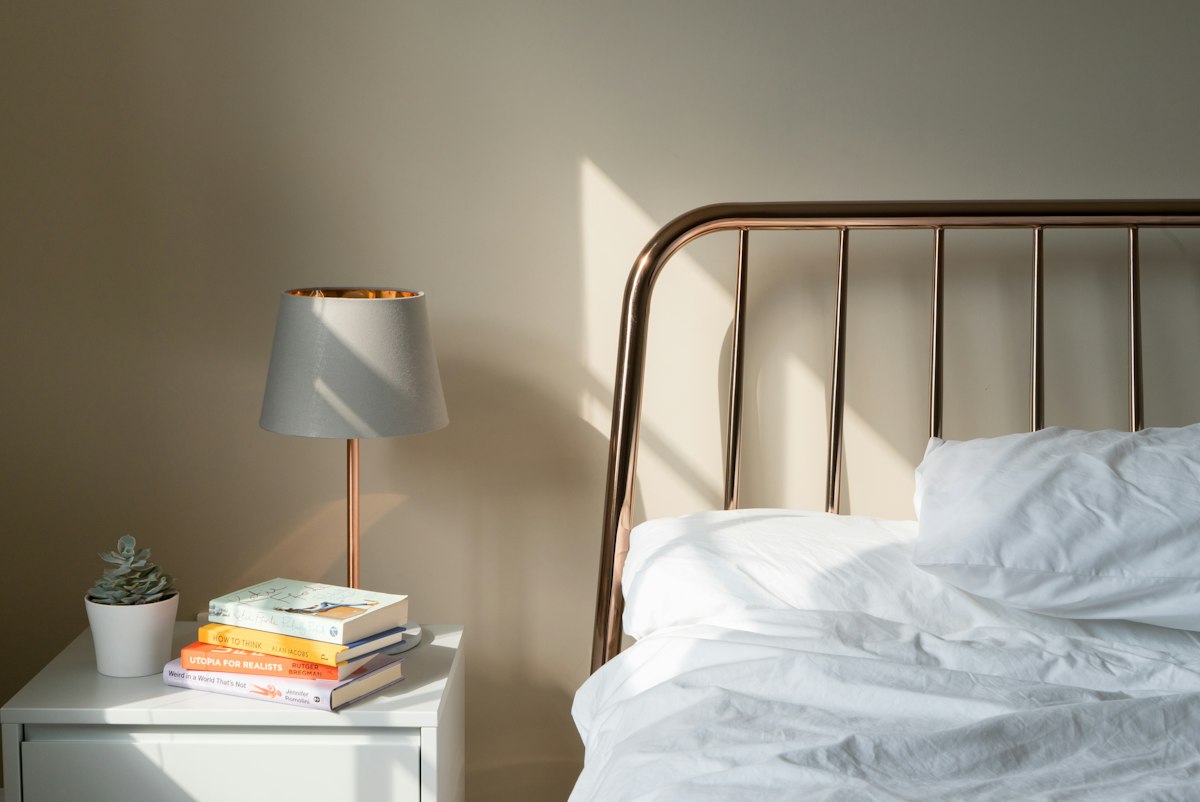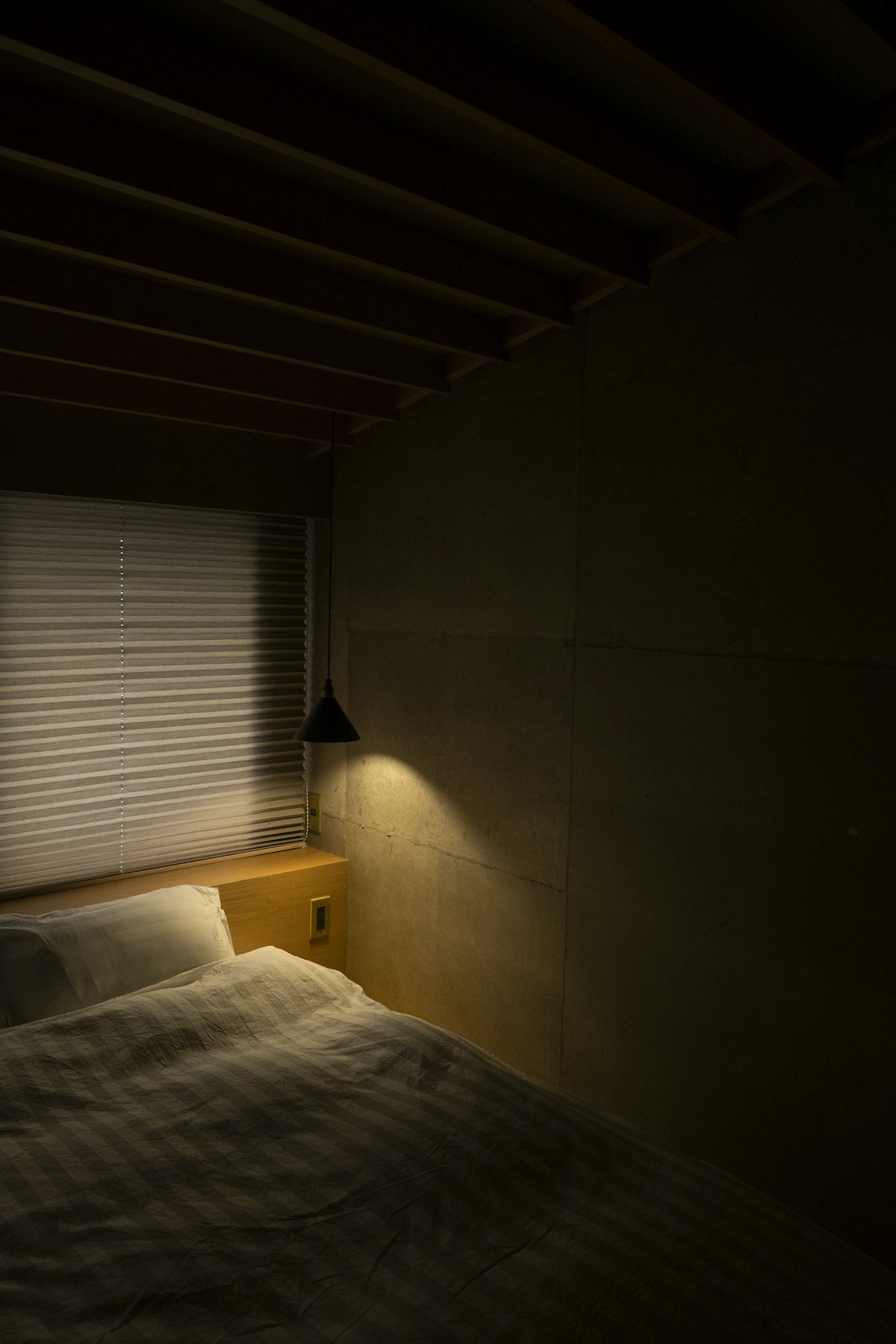
Leave enough access around large furniture to reach ordinary dust collecting areas. Choose storage that contains small belongings instead of spreading them across several surfaces. A simpler arrangement can reduce cleaning effort without making the room feel empty.
Read care instructions for upholstery, flooring and window treatments before purchase. Removable components may help when they are genuinely easy to wash and refit. Keep under bed storage organized so it does not become an inaccessible collection of dusty boxes.
Look at the room through an ordinary cleaning routine before adding furniture. Identify where equipment can reach and which items must be moved. A narrow unused gap behind a heavy chest can collect dust without providing any useful function. Adjust the layout where practical so maintenance does not require repeated lifting or dismantling.
Choose storage that gives small belongings a clear home. Several open trays may appear organized but still create many edges to wipe around. A useful drawer can contain those objects while leaving a simpler top surface. Keep the internal arrangement straightforward enough that belongings are returned rather than left on the bed or floor.
Read care guidance for the materials you are considering. A textured headboard, delicate curtain and thick rug can each demand a different method. Do not assume that every removable cover is easy to wash or that one cleaner suits all surfaces. Compare the expected routine with the time and equipment the household actually has.
Consider access beneath and beside the bed. Storage containers can be helpful if they can be removed easily and kept clean, but forgotten overflow makes the area harder to maintain. Check the bed and mattress airflow guidance before filling space underneath. Periodically review the contents rather than treating the area as permanent storage for anything without another home.
Keep cables, small loose rugs and decorative objects out of the route used around the bed. Besides affecting movement, they can complicate routine cleaning. Use suitable furniture pads or protections as the floor guidance directs when pieces need to move. Do not drag heavy furniture over a surface simply because it is difficult to reach behind it.
Limit textile layers to those you use and are willing to care for. A bed can feel complete without a large pile of decorative cushions, especially if there is nowhere suitable to put them at night. Choose a manageable combination of bedding and window treatment. Fewer useful elements can preserve the intended calm appearance with less repeated effort.
Reassess the room after cleaning it several times. If one decorative arrangement constantly has to be dismantled, simplify it. If a surface remains difficult to reach, consider a different furniture position or a more suitable tool. The best improvements are those that make ordinary maintenance easier without removing the comfort you wanted from the room.
Protect routes around the bed and avoid trailing leads. Select fewer useful textiles rather than many decorative layers. A room that is easy to maintain is more likely to keep the calm appearance that inspired the design in the first place.
Check dimensions against your room and follow furniture anchoring, textile care and electrical safety instructions. Use a competent installer for uncertain wall fixings and appropriately qualified help for permanent service changes.