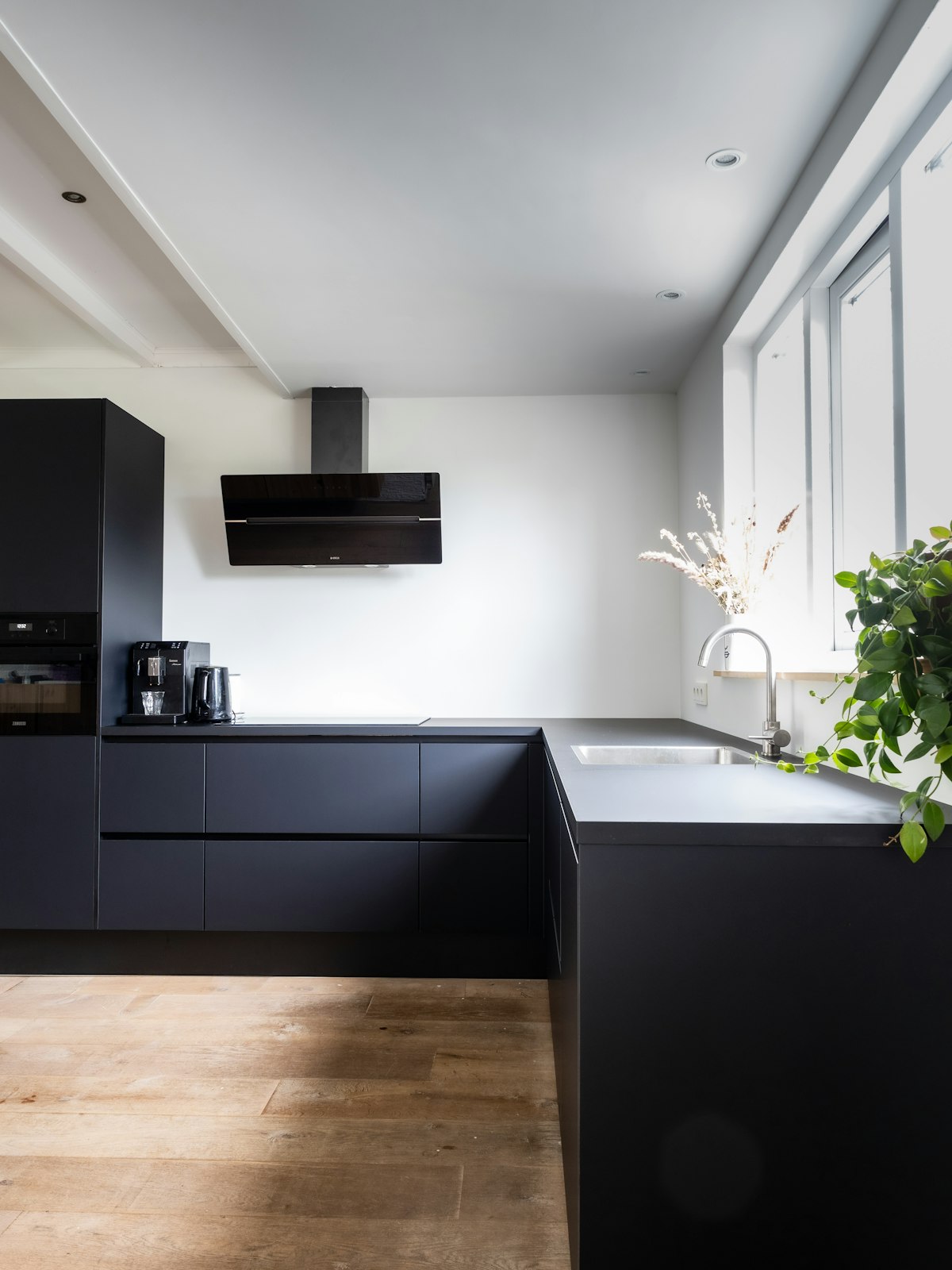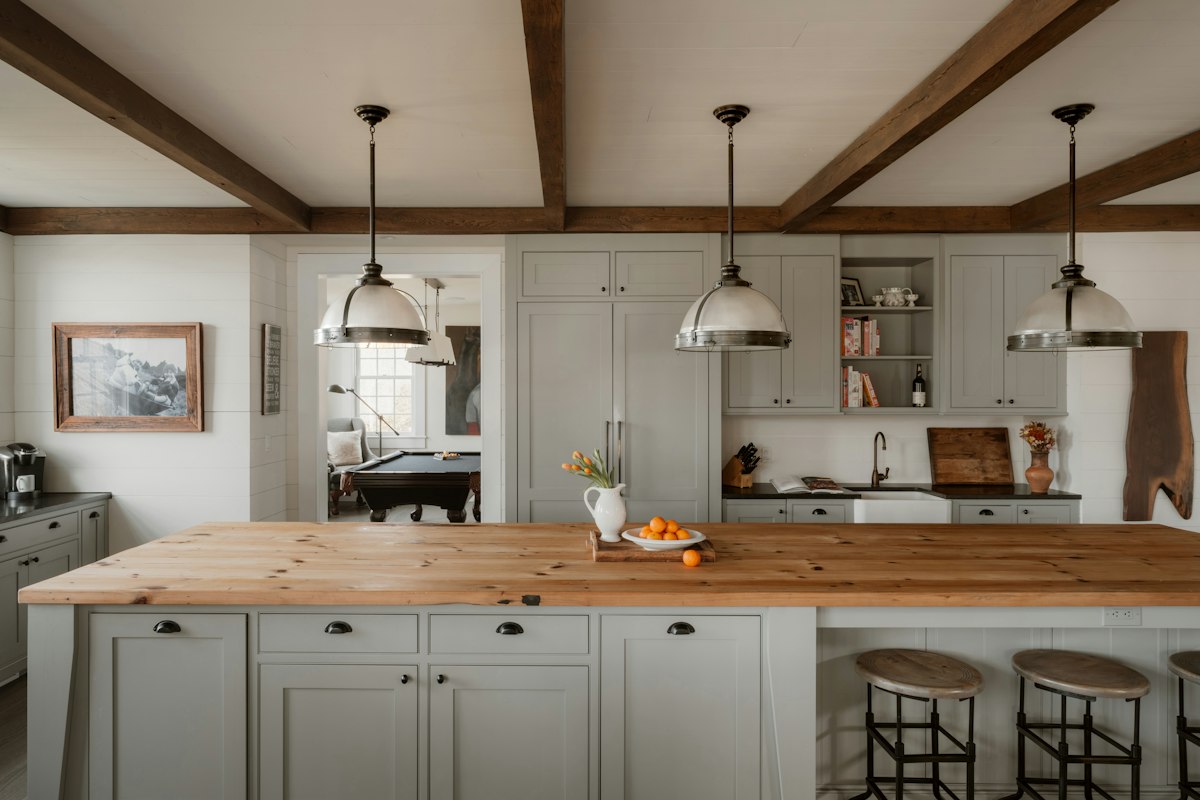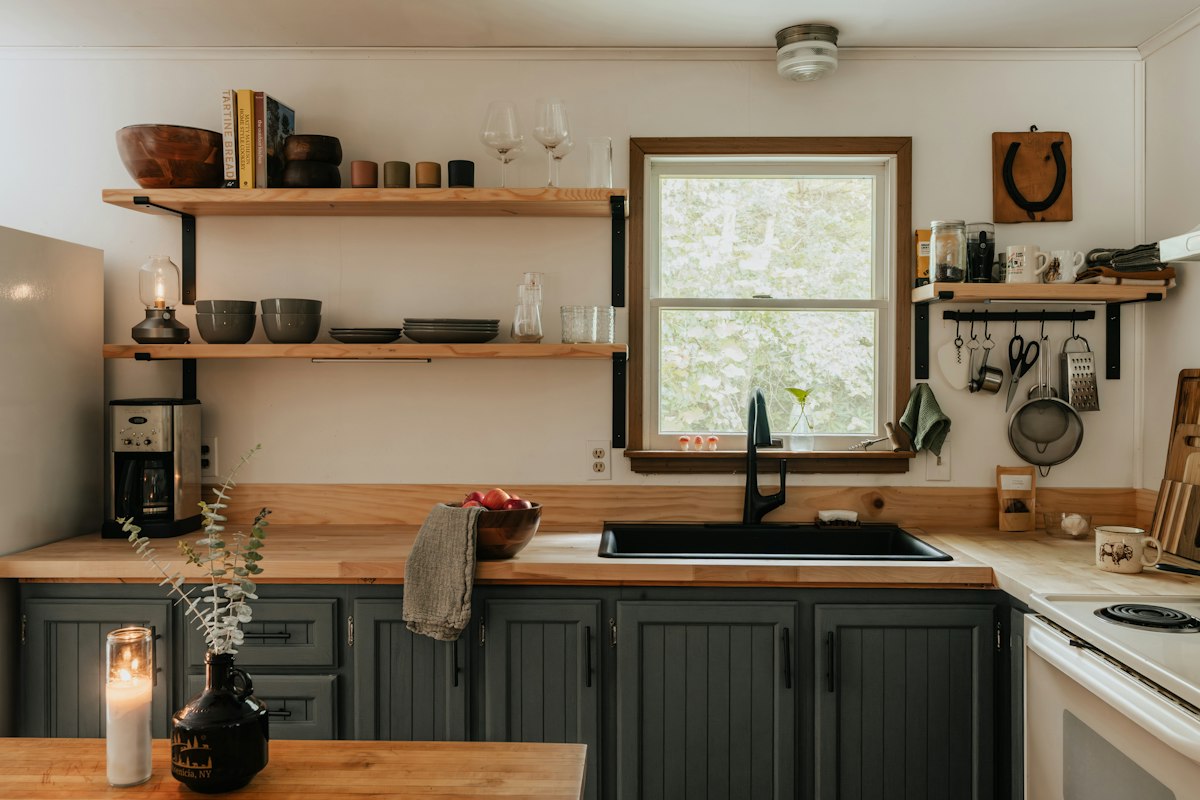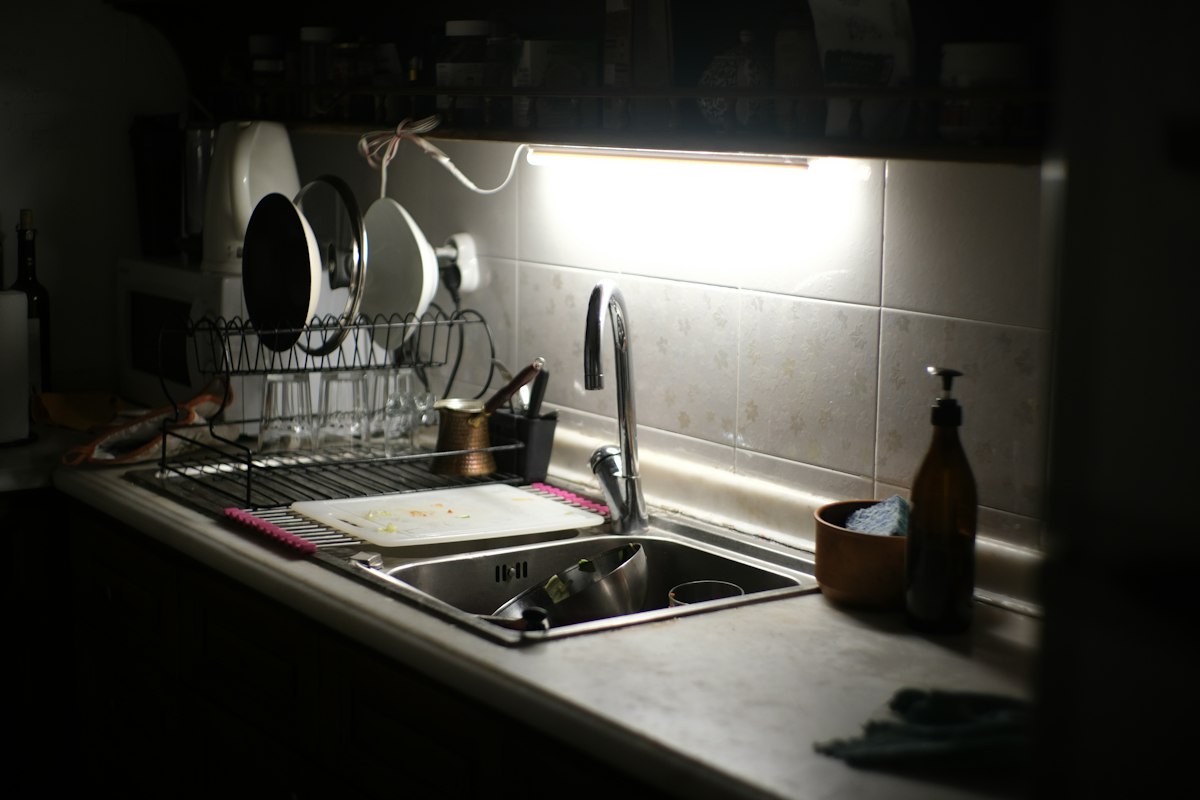
Put the items used every day within comfortable reach and reserve high storage for occasional pieces. Consider the people who use the kitchen rather than designing around a single assumed height. A full wall of cabinets can hold more yet make routine tasks harder.
Check how the underside of wall cabinets relates to worktop activities and task lighting. Allow for appliances that open upward or release heat and steam according to their instructions. Keep shelves and fittings away from required cooking clearances.
Consider a combination of closed storage and a short open section where it has a clear purpose. Ask the installer to confirm wall condition and fixings for the intended load. Accessible storage is useful storage, even when its theoretical capacity is smaller.
Inventory the objects intended for wall storage and separate everyday items from occasional ones. Heavy dishes and frequently used ingredients need comfortable access, while lighter seasonal pieces can occupy less convenient positions. Ask the supplier about shelf and cabinet capacities. A tall run of cupboards may provide a large theoretical volume without offering useful storage to the people who will actually cook.
Draw the relationship between wall cabinets and the worktop activities below. Small appliances can need extra access for lids, reservoirs or safe operation according to their instructions. A low cabinet may interrupt the very task it is meant to support. Consider the depth as well as the height, and include the planned task lighting in the same elevation.
Use the available wall construction as part of the installation assessment. Have a competent installer confirm suitable fixings and support for the intended loaded cabinet. Do not assume a fixing that holds an empty unit will be appropriate after it is filled with crockery. Be aware of concealed services and coordinate installation with the relevant trades before drilling or closing surfaces.
Compare a continuous run with a smaller amount of well placed storage. Leaving a window or useful preparation area visually open may make the room more comfortable, while a short open shelf can provide convenient access where its maintenance is acceptable. Balance these choices against the possessions that need a home rather than removing cabinets solely to imitate a photograph.
Plan how the storage can be cleaned and maintained after installation. Door handles, top ledges and hardware should remain accessible without unsafe improvisation. Keep product references and follow anchoring and load guidance. The best wall storage combines enough capacity with a clear view and comfortable reach, so the kitchen remains useful when every shelf is no longer perfectly styled.
Check whether the highest storage can be used and cleaned comfortably under your household circumstances. Do not plan daily contents around an improvised climbing arrangement. If the upper sections are only suitable for occasional lightweight items, account for that limit honestly when comparing their cost with a smaller amount of more accessible storage.
Before ordering, check the exact product drawings and installation instructions with your supplier. Have plumbing, electrical, ventilation and other specialist work assessed and completed by appropriately qualified professionals.