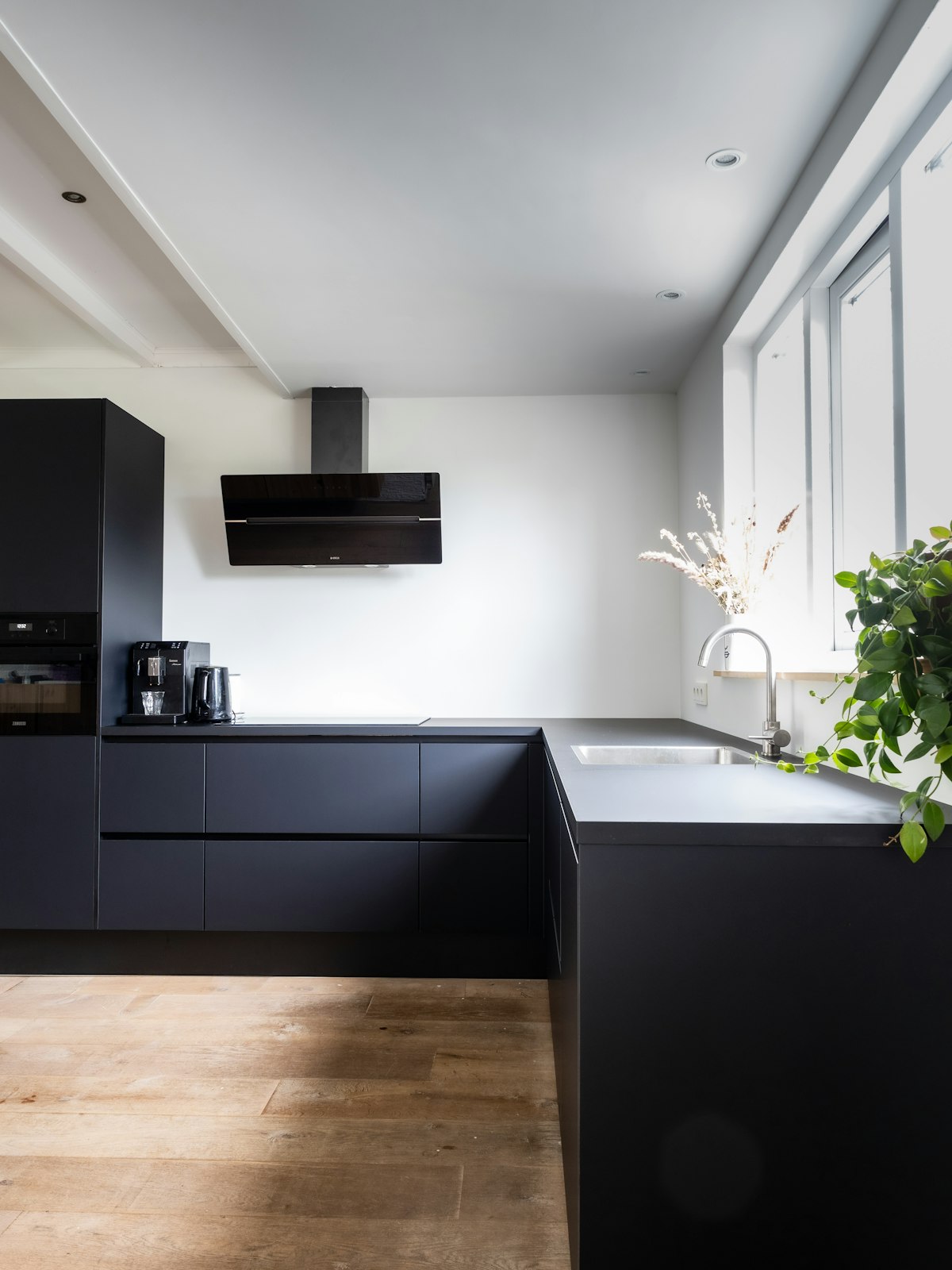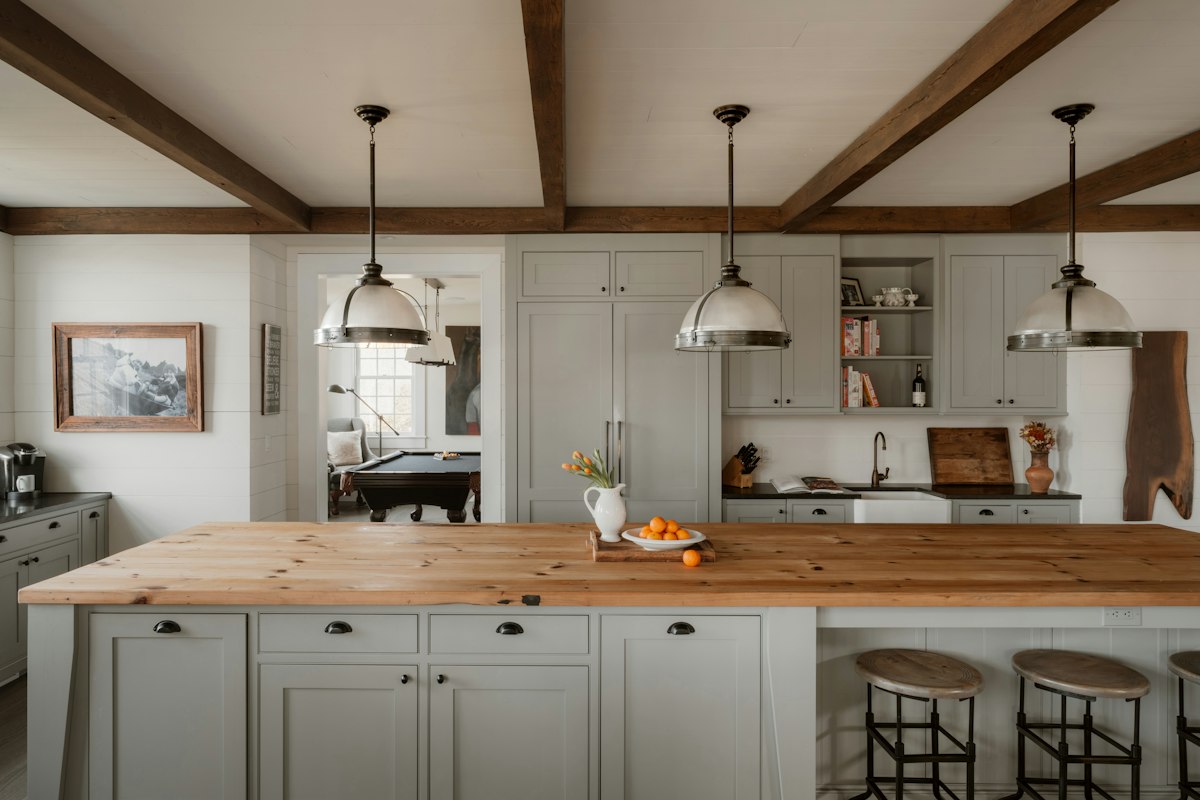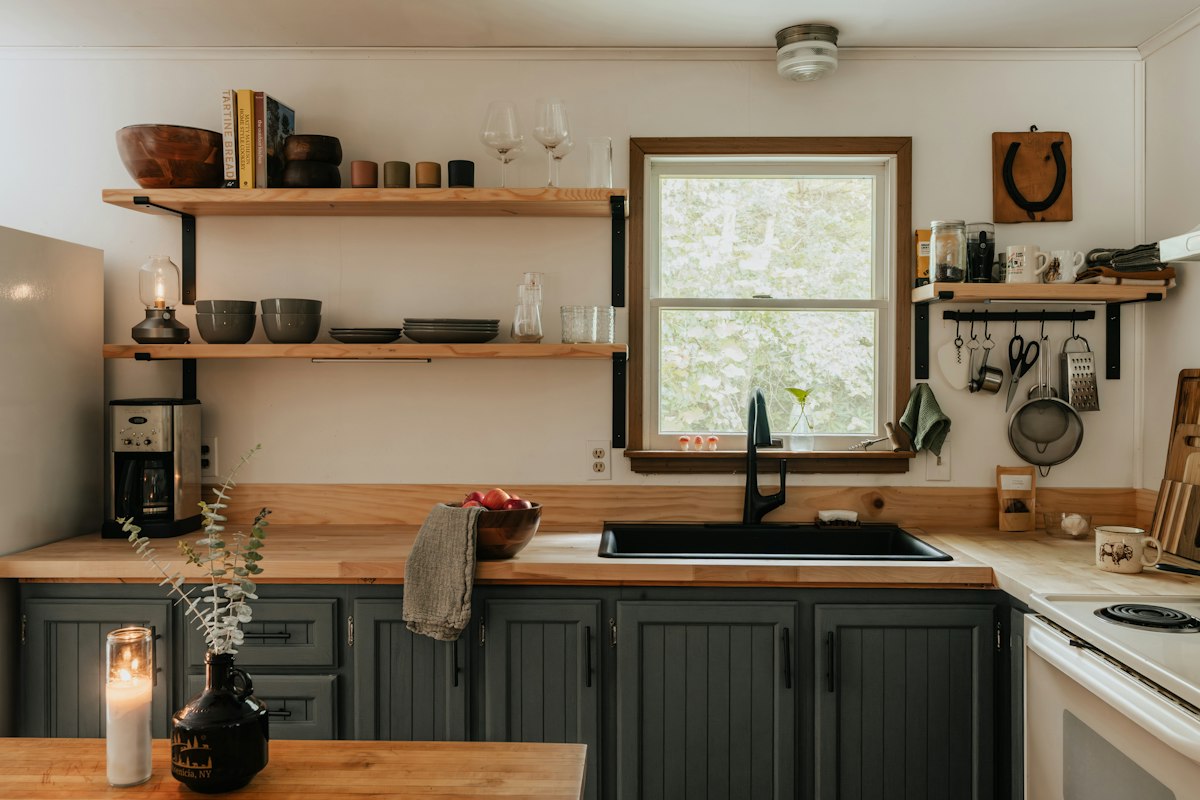
Think about the largest pan or tray you wash and the worktop space you can spare. A deep bowl may handle bulky cookware well, but comfort depends on your height and the cabinet below it. Test a display model if possible before ordering.
Compare mounting methods with the chosen worktop and installer guidance. Check how the rim, tap holes and drainage arrangement will be sealed and maintained. Leave room in the cabinet for the actual waste fittings and any planned accessories.
Keep the sink close to useful preparation space and dish storage without making the worktop fragmented. Verify measurements from the product drawing. Plumbing connections and installation details should be reviewed by a competent installer before the worktop is cut.
Measure the largest items you regularly wash and consider how they enter and leave the bowl. A roasting tray may fit diagonally but still splash against a high rim or tap. Think about whether you usually wash by hand, rinse before loading a dishwasher or need room to soak cookware. These routines help distinguish useful bowl capacity from a large outside dimension that consumes worktop space.
Compare a single bowl, divided arrangement and any draining area as complete layouts. More compartments may offer separation while reducing the size of each usable space. A separate drainer can be useful where dishes dry frequently, but it also occupies counter space that might be needed for preparation. Choose the balance around your habits rather than assuming the most elaborate arrangement provides the most flexibility.
Coordinate the sink with the actual worktop material and mounting method. Edges, seals and cutout details depend on the products and need installer confirmation. Ask how cleaning and future maintenance will be handled around the junction. A seamless appearance in a photograph does not establish whether that detail is appropriate for a different surface or cabinet construction.
Check the cabinet below with the plumber and kitchen supplier. Waste fittings, supply connections and accessories can reduce the space available for bins or shelves. Leave practical access for maintenance and avoid ordering a complete internal storage system before those components have been considered. A sink that fits from above can still create a complicated or cramped arrangement inside the unit.
Choose the tap and basin together so their reach and height work as a pair. A powerful stream landing near an edge may be uncomfortable even when each product is suitable on its own. Use technical drawings and showroom testing where available. Keep care instructions for the basin material and respond promptly to leakage rather than relying on the surrounding worktop to tolerate repeated water exposure.
Check whether accessories such as a removable board or draining basket remain useful when the sink contains a large pan. An accessory can add flexibility, but storing and moving several pieces may complicate a simple washing routine. Choose the components that support your actual habits and confirm their care requirements before purchase.
Before ordering, check the exact product drawings and installation instructions with your supplier. Have plumbing, electrical, ventilation and other specialist work assessed and completed by appropriately qualified professionals.