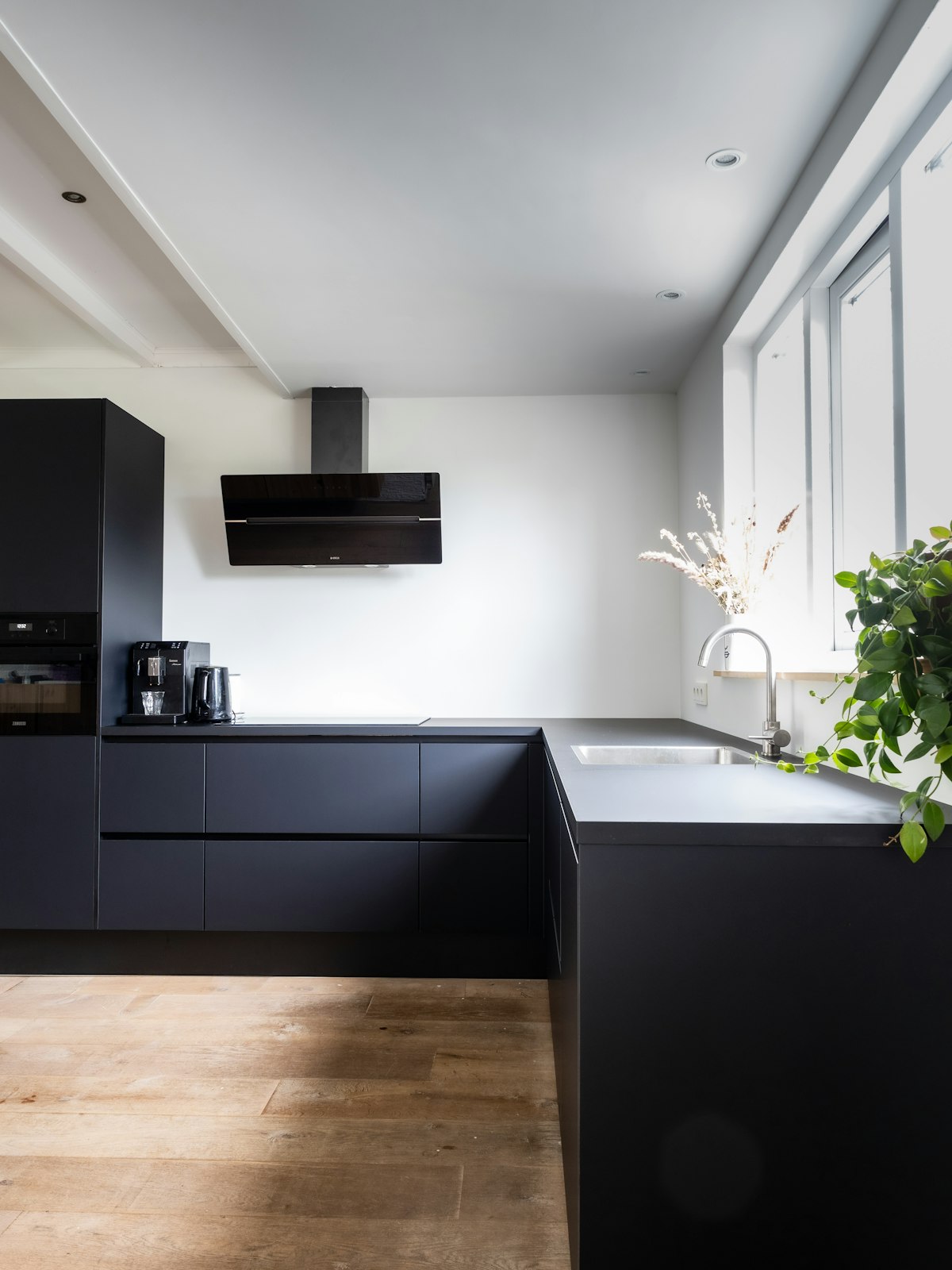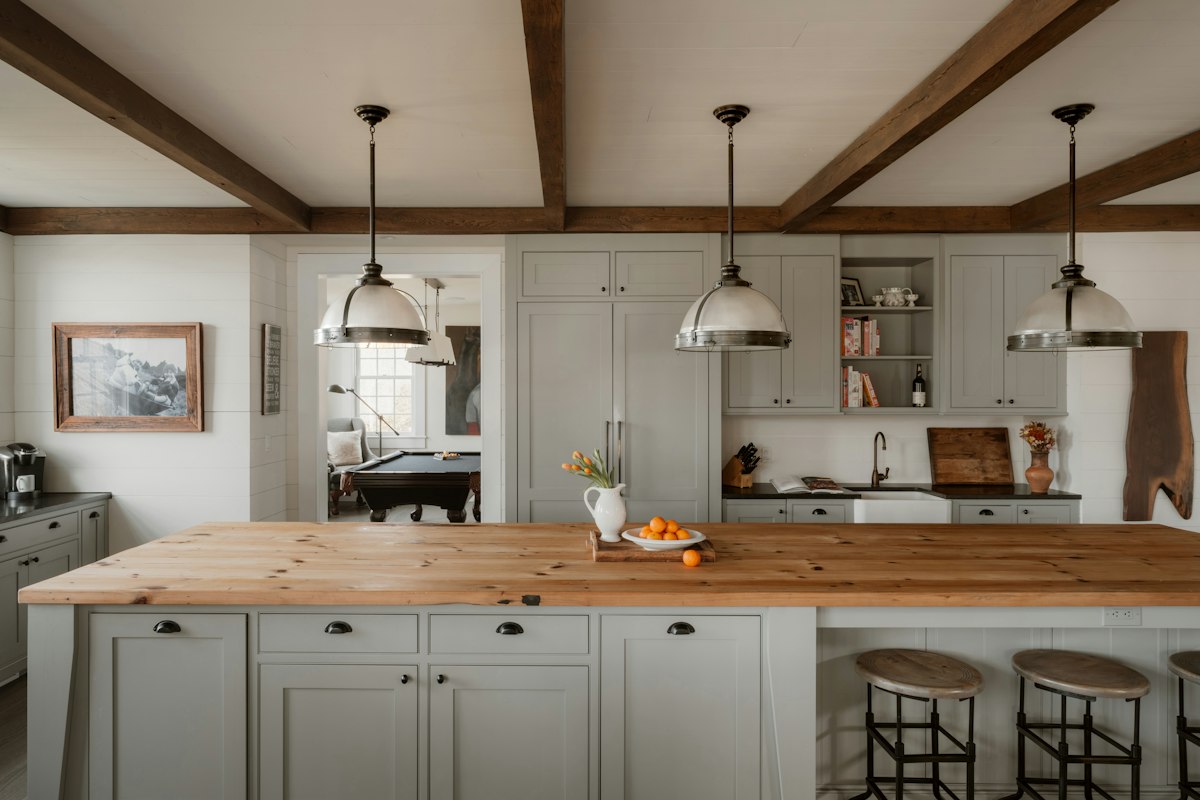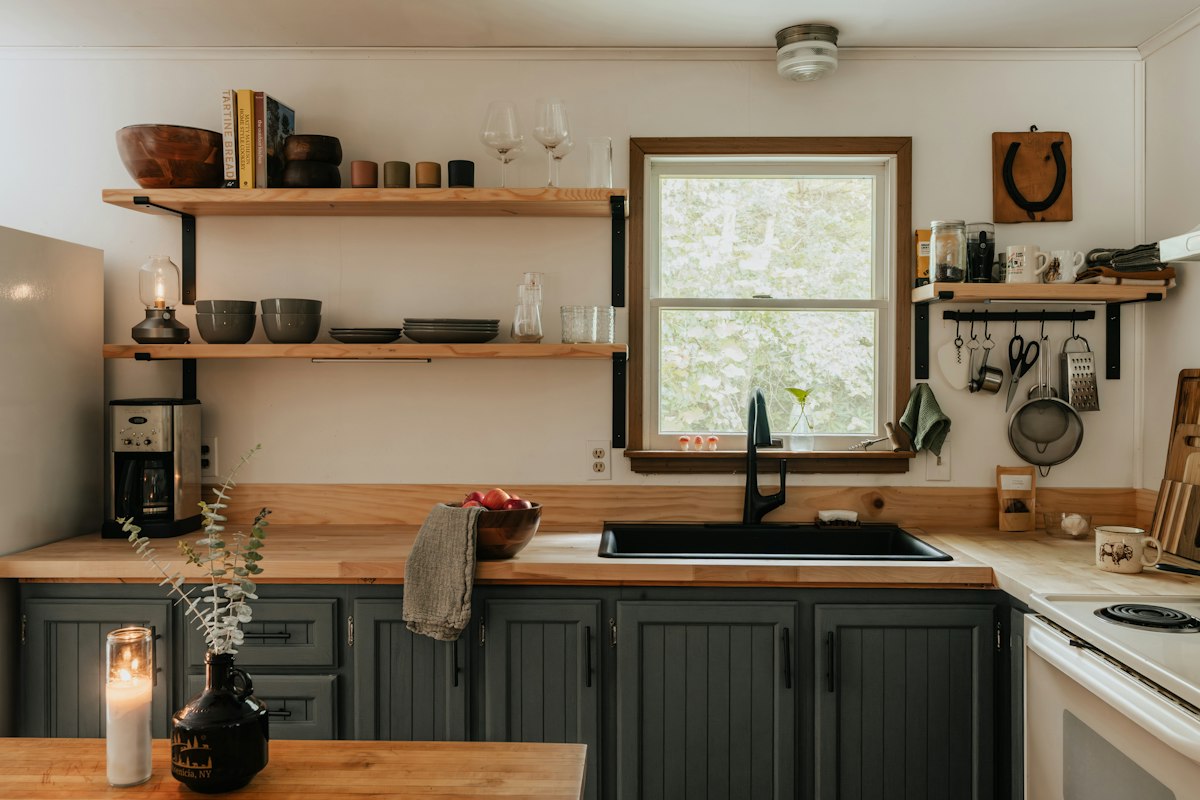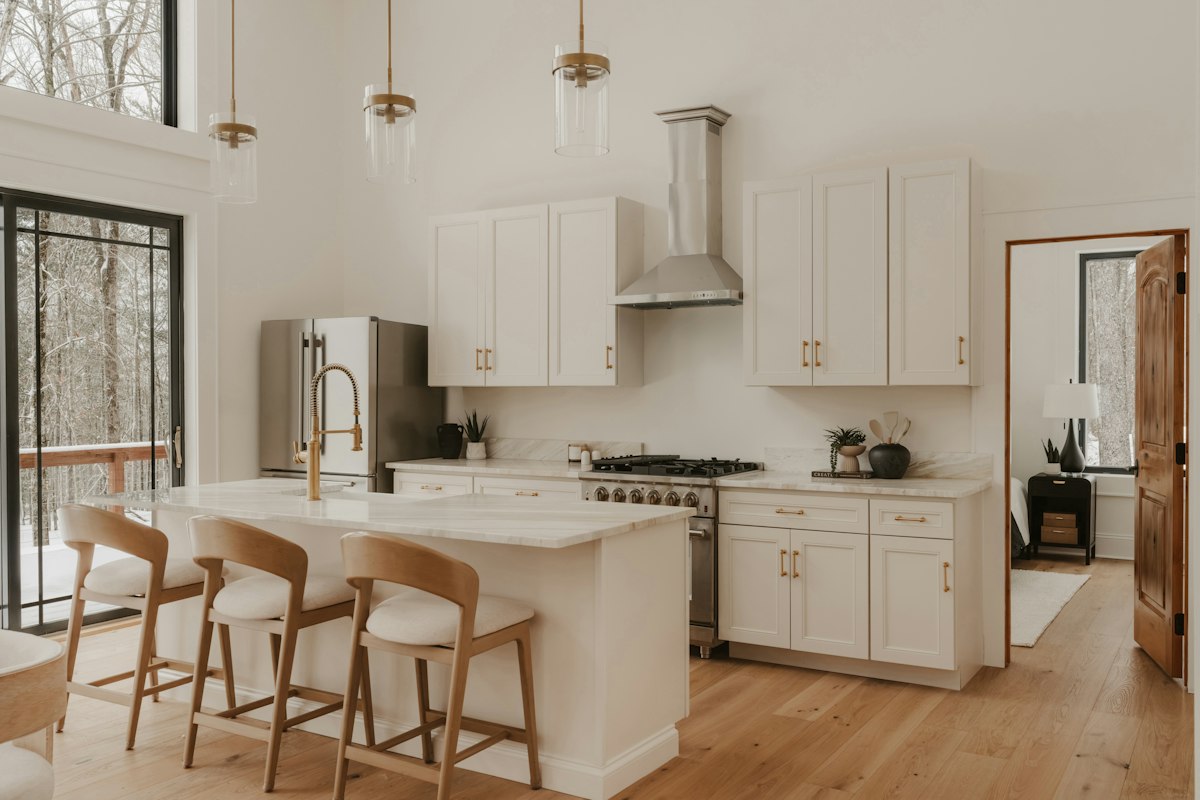
Drawers can bring the contents of lower cabinets into view without reaching into a dark corner. Start by measuring the pans, dishes and containers you own. Match the drawer depth to those objects rather than specifying the same arrangement across the kitchen.
Ask about the permitted load and whether the runner system suits heavy cookware. Consider adjustable dividers for utensils and a simple nonslip liner where the manufacturer permits it. Leave enough space around handles for comfortable opening.
Position frequently used items near the activity they support. A pan drawer beside preparation space may be more useful than another decorative open shelf. Review the full internal layout before ordering because later changes can require different fronts or hardware.
Sort the contents of an existing lower cupboard before choosing a drawer arrangement. The useful dimensions are those inside the drawer after the sides and hardware are accounted for. A tall saucepan, stack of plates or food processor may not fit where a cabinet elevation suggests abundant space. Measure representative objects and compare them with a real drawer or an accurate internal drawing.
Decide whether wide drawers improve access for your household or concentrate too much activity in one place. A broad drawer can expose many items at once, but another person may need to step aside whenever it opens. Smaller groups can provide separate access points. Test these relationships against the room layout, particularly where drawers face an island or the dishwasher.
Use dividers to solve a specific problem rather than fill every compartment from the start. Adjustable arrangements can keep utensils separate while leaving room for an unfamiliar item later. A fixed organizer may look orderly but waste capacity if its sections do not match your belongings. Check that any accessory is compatible with the drawer and does not interfere with its operation.
Keep weight within the hardware and cabinet limits and follow the supplier instructions for use. Store heavier objects where they can be handled comfortably rather than assuming every drawer can carry cookware simply because it is deep. Ask how runners are adjusted or replaced and retain the model information. Maintenance access is useful when a heavily used component eventually needs attention.
Review the position of each drawer in relation to worktop activities. Everyday utensils near preparation space reduce repeated crossing of the room, while dish storage near unloading may simplify cleanup. Leave occasional pieces in less convenient locations if that protects easy access to routine items. The objective is a kitchen that needs less searching and reaching, not the largest possible number of matching drawer fronts.
Keep a little flexibility in the first drawer arrangement rather than purchasing every divider immediately. Use the kitchen for a short period and notice which objects actually return to each location. Adjustable organizers can then address real problems, with fewer unnecessary compartments that reduce the space available for a different utensil.
Before ordering, check the exact product drawings and installation instructions with your supplier. Have plumbing, electrical, ventilation and other specialist work assessed and completed by appropriately qualified professionals.