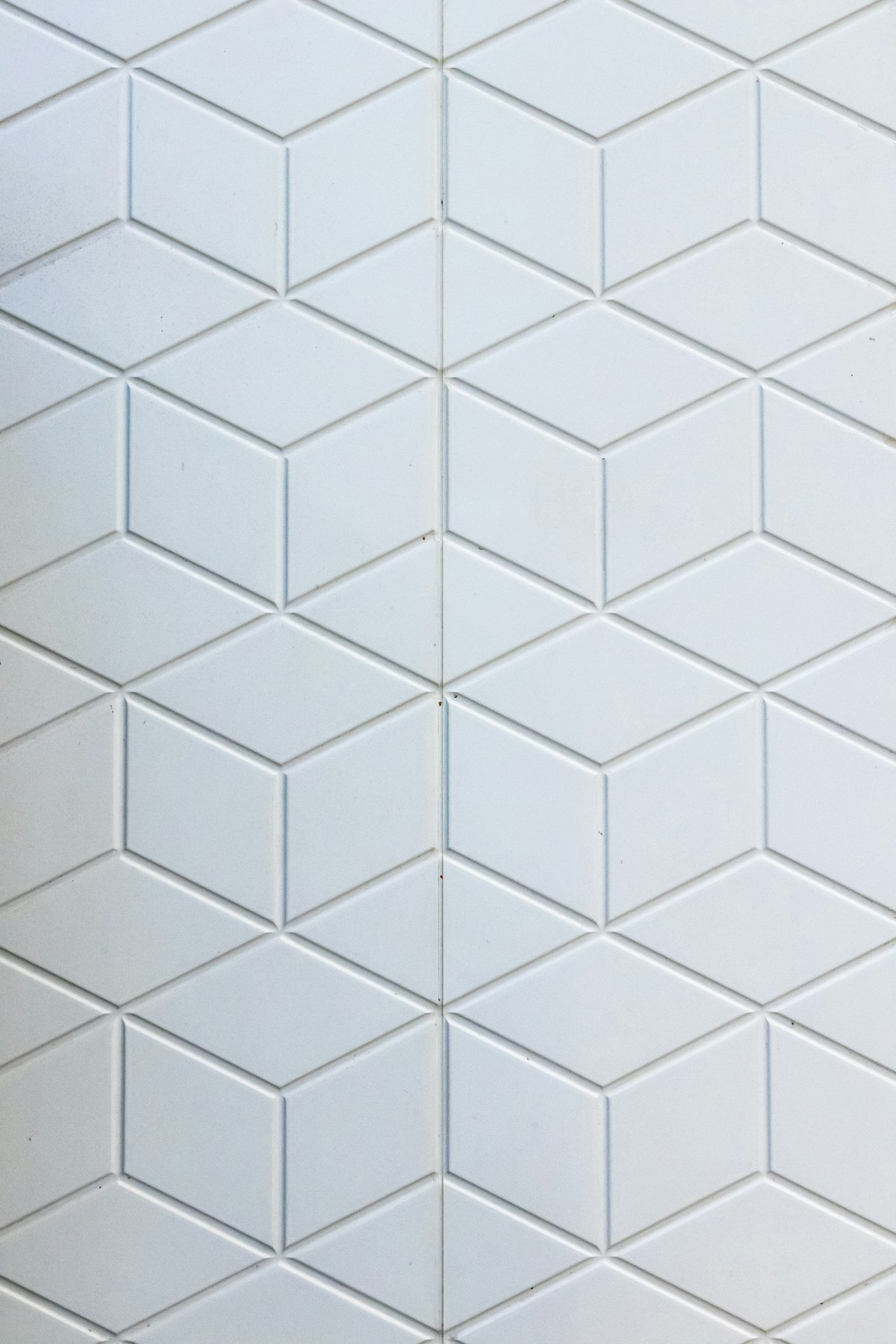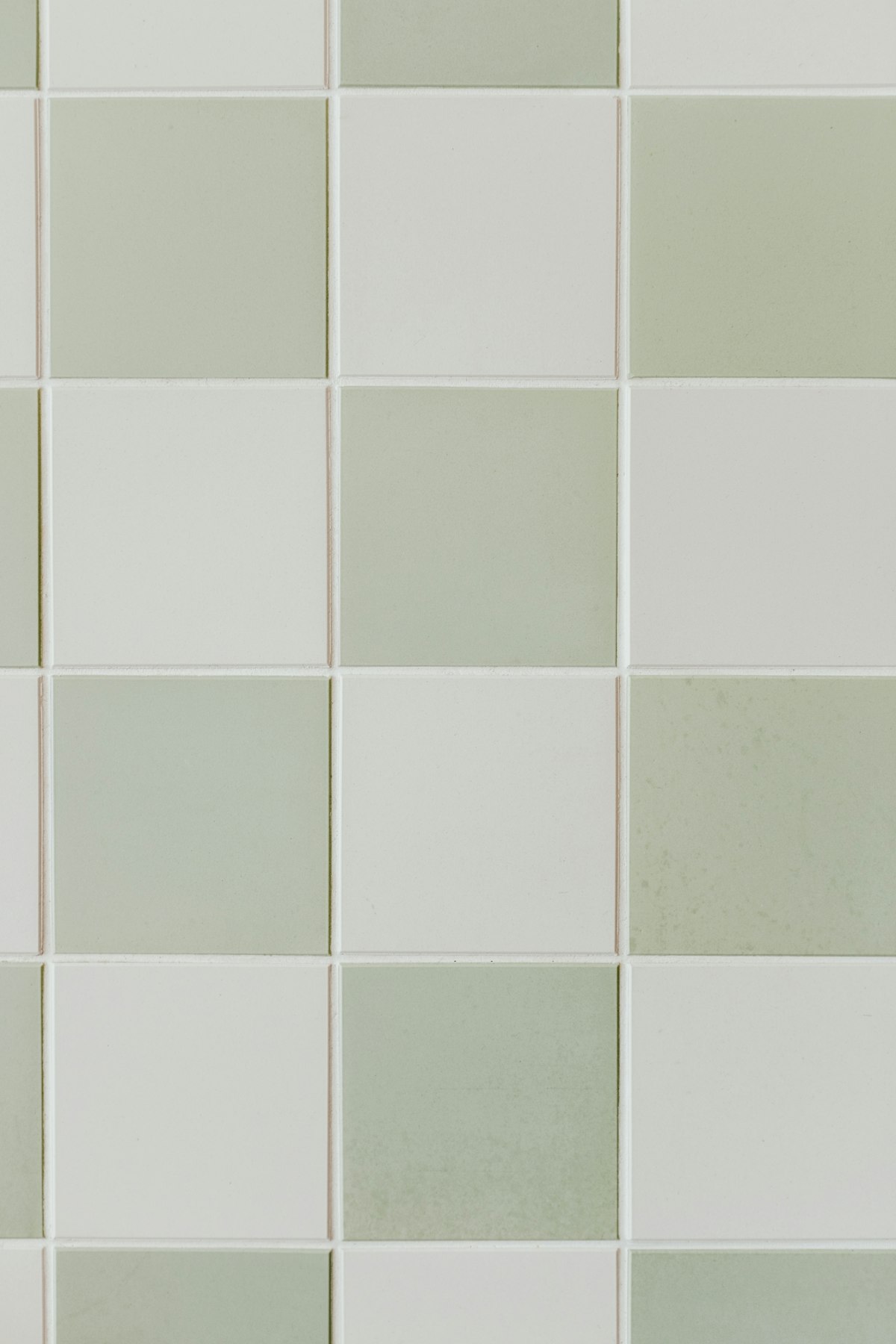
Compare the suitability information for the exact tile rather than deciding from a broad material label. Wall use, floor use and wet exposure place different demands on a product. Ask the supplier to confirm the intended application in writing where uncertainty remains.
Consider size, edge detail, slip information and installation requirements alongside colour. A low purchase price may be offset by complicated cuts or substrate preparation. Discuss the full layout and compatible fixing system with the tiler before ordering.
Keep batch details and spare material for future repairs. Follow the care instructions for both tile and grout. The most useful choice is a tile that performs appropriately in the complete installation and gives the room an appearance you can maintain.
Begin with a description of the location rather than a preferred tile name. Explain whether the surface will be walked on, regularly splashed or exposed to outdoor conditions. Ask the supplier to identify the relevant suitability information for that exact product. A similar looking tile used successfully elsewhere is useful inspiration, but it is not evidence for your installation.
Compare the practical feel of samples as well as their appearance. A texture that provides useful grip can demand a different cleaning routine from a smooth wall finish. Ask how the product behaves in the conditions you expect and what care is recommended. Avoid assuming that the roughest looking sample automatically provides the best complete solution.
Draw the tile layout before settling on size. Include the actual corners, openings, fittings and visible edges rather than only the room area. A larger tile can create an awkward narrow cut where a slightly different format would fit more comfortably. Have the installer explain the proposed arrangement, especially around drains and transitions to other materials.
Inspect the edge and thickness details with the installer. Decide how exposed ends, external corners and changes of surface will be finished. Include compatible trims and preparation in the quote. The main tile price tells only part of the cost, and an improvised edge can undermine an otherwise carefully chosen wall or floor.
Ask how much variation to expect within the supplied material and whether cartons should be considered together during layout. View enough pieces to understand the pattern rather than approving a single attractive sample. Confirm the batch references on delivery and raise concerns before fitting. Keep the return conditions in mind when opening or mixing cartons.
Plan aftercare for the complete surface, including grout and sealants. The cleaner suitable for the tile may not suit every adjacent fixture or decorative coating. Retain spare pieces and the product references after installation. A successful selection balances documented suitability, a considered layout and a care routine that the household can follow consistently.
Always use the guidance for the exact product and finish in your home. Seek a qualified assessment before disturbing uncertain old materials, and do not treat general care advice as a substitute for diagnosing damage.