Choose doors in relation to room needs, existing openings and the overall character of the home. Consider privacy, sound expectations and whether any fire performance requirements apply. A similar appearance does not mean two doors provide the same function.
Have the installer measure openings and check frames, swing directions and hardware compatibility. Discuss floor levels and ventilation requirements before trimming or ordering. Required performance should be verified for the complete assembly rather than assumed from a door slab alone.
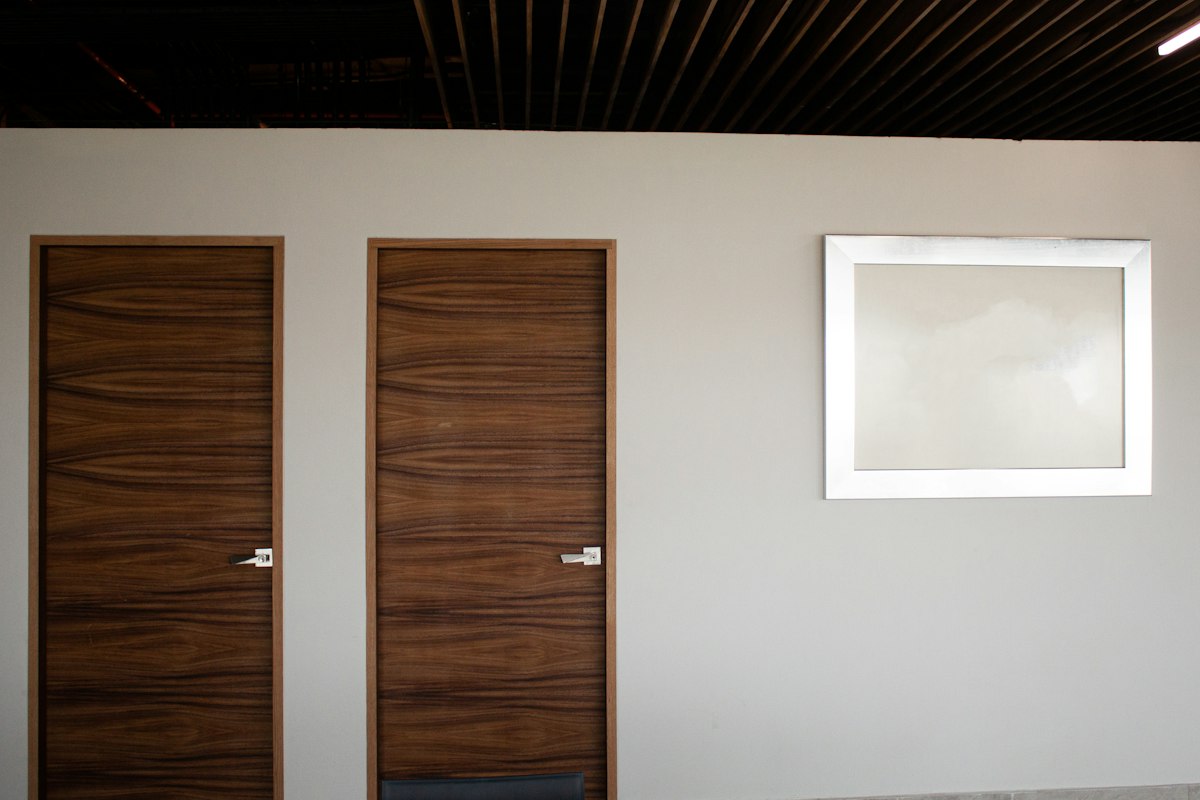
Compare finish samples with skirting and surrounding walls. Keep hinges and handles comfortable to use and suitable for the intended duty. A consistent door design can connect rooms while still allowing different technical specifications where the building requires them.
Begin with the job each door needs to perform. A bedroom, bathroom and cupboard may have different requirements for privacy, ventilation and everyday access. Existing fire or other performance requirements must be established by an appropriate professional. A consistent visual design can still be used across different specifications without pretending the assemblies are interchangeable.
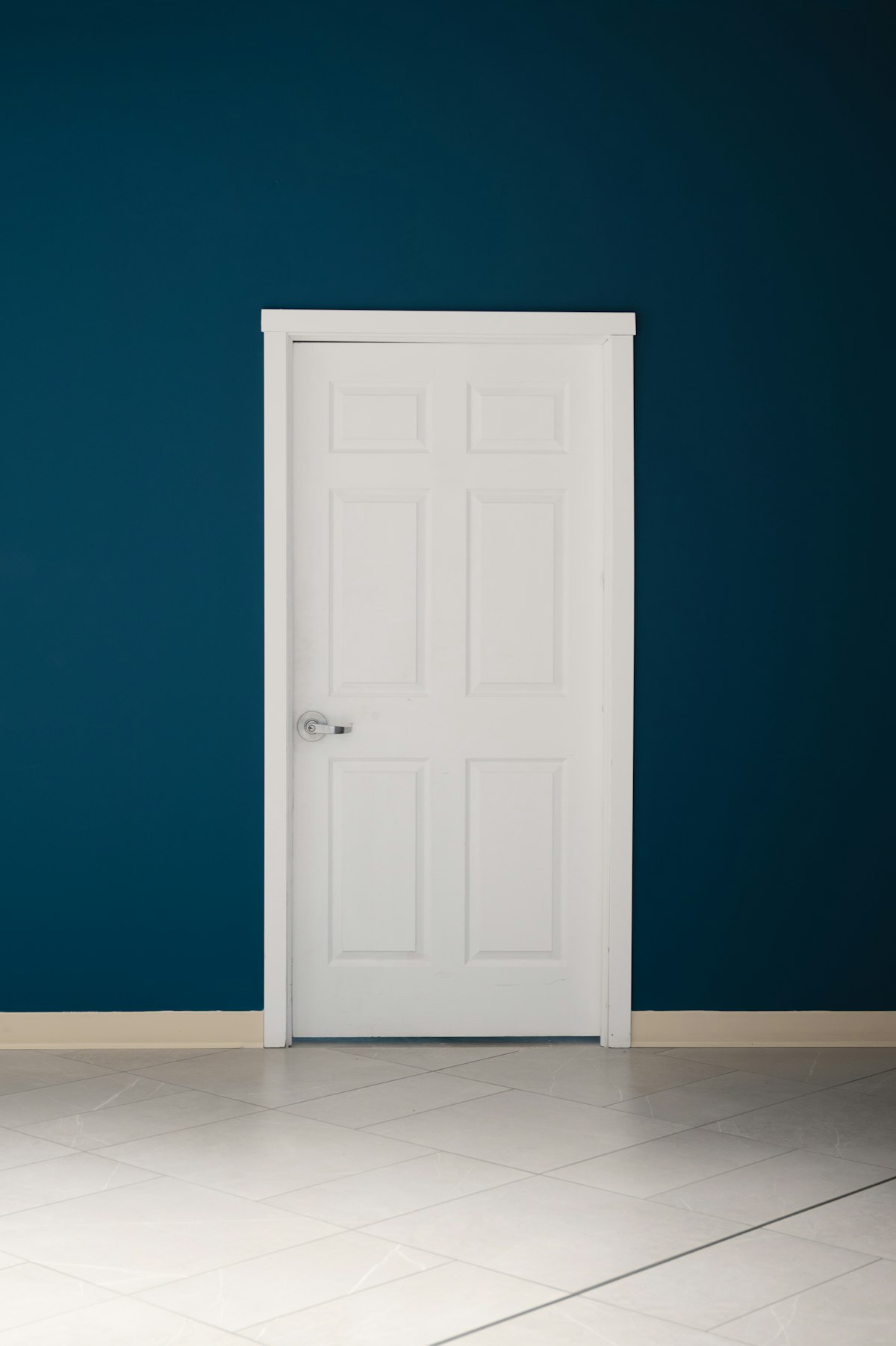
Study the relationship between the door, frame and surrounding trim. A new slab may reveal the wear or distortion of an old frame rather than provide a complete refresh. Ask the installer to assess the whole opening and explain what can reasonably be retained. Include making good and decoration when comparing a replacement slab with a new complete assembly.
Draw the swing and consider furniture in its normal position. A door that opens against a wardrobe or blocks a useful switch can preserve an everyday annoyance even when its finish is attractive. Discuss any change of handing with the installer and check its wider implications. Required circulation and safe operation should guide the decision, not simply the symmetry of a plan.
Compare solid and glazed appearances according to the room needs and documented product information. Glass can share light but changes the privacy arrangement and introduces its own suitability requirements. Ask about appropriate glazing and installation for the location. A photograph of a glazed doorway cannot confirm that the same construction suits a different opening.
Try the proposed handle, latch and hinge arrangement where possible. Comfortable grip and reliable closing matter more than a fashionable finish that is awkward to use. Confirm hardware compatibility and replacement availability before ordering. Specialist or rated doors need the correct complete specification rather than a collection of individually attractive parts.
At handover, operate every door and ask about adjustment and maintenance. Retain the assembly and hardware references, including required certification where applicable. Do not alter a performance door experimentally when it begins to stick. A well selected interior door should remain easy to understand, maintain and use long after the room decoration is finished.
Always use the guidance for the exact product and finish in your home. Seek a qualified assessment before disturbing uncertain old materials, and do not treat general care advice as a substitute for diagnosing damage.