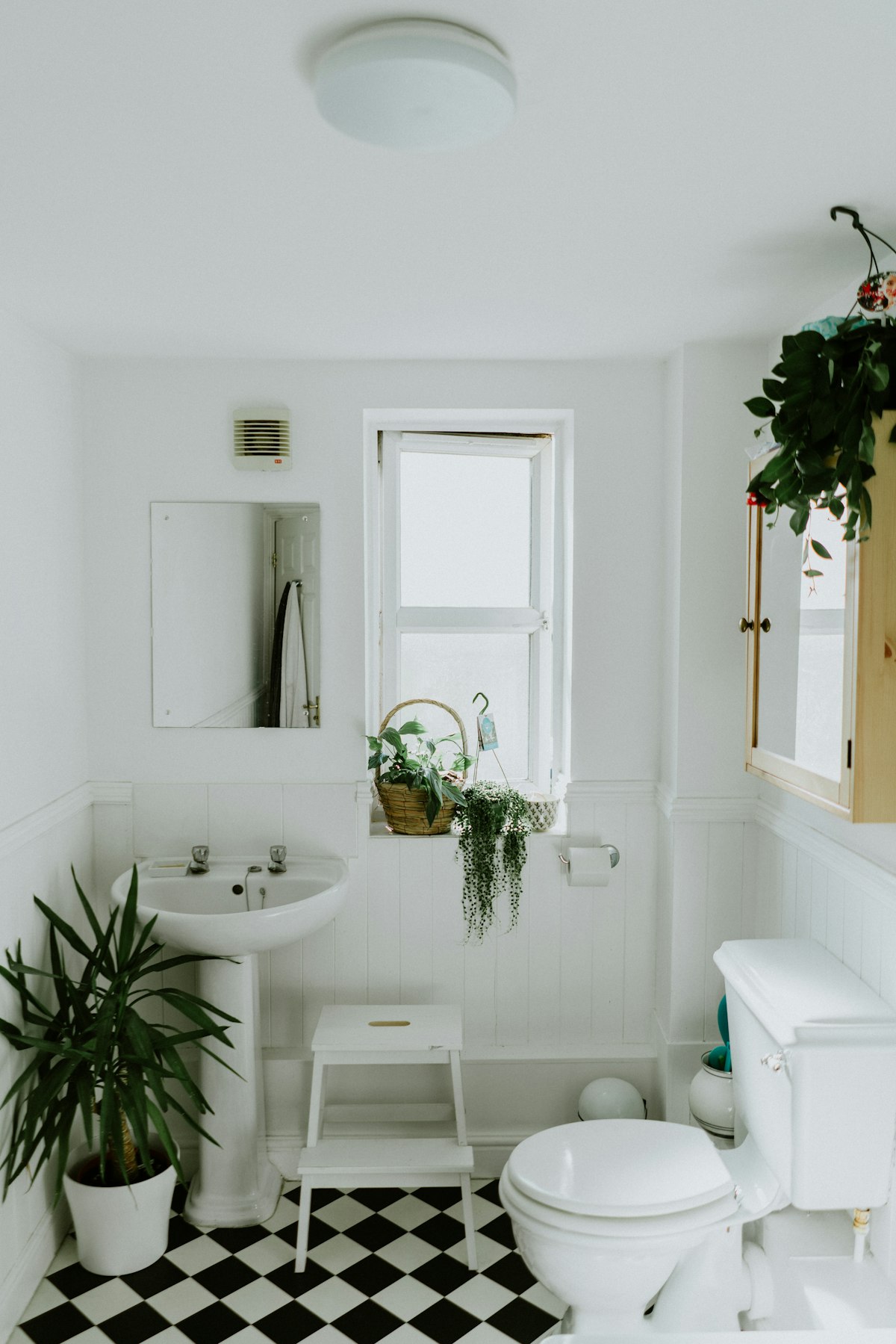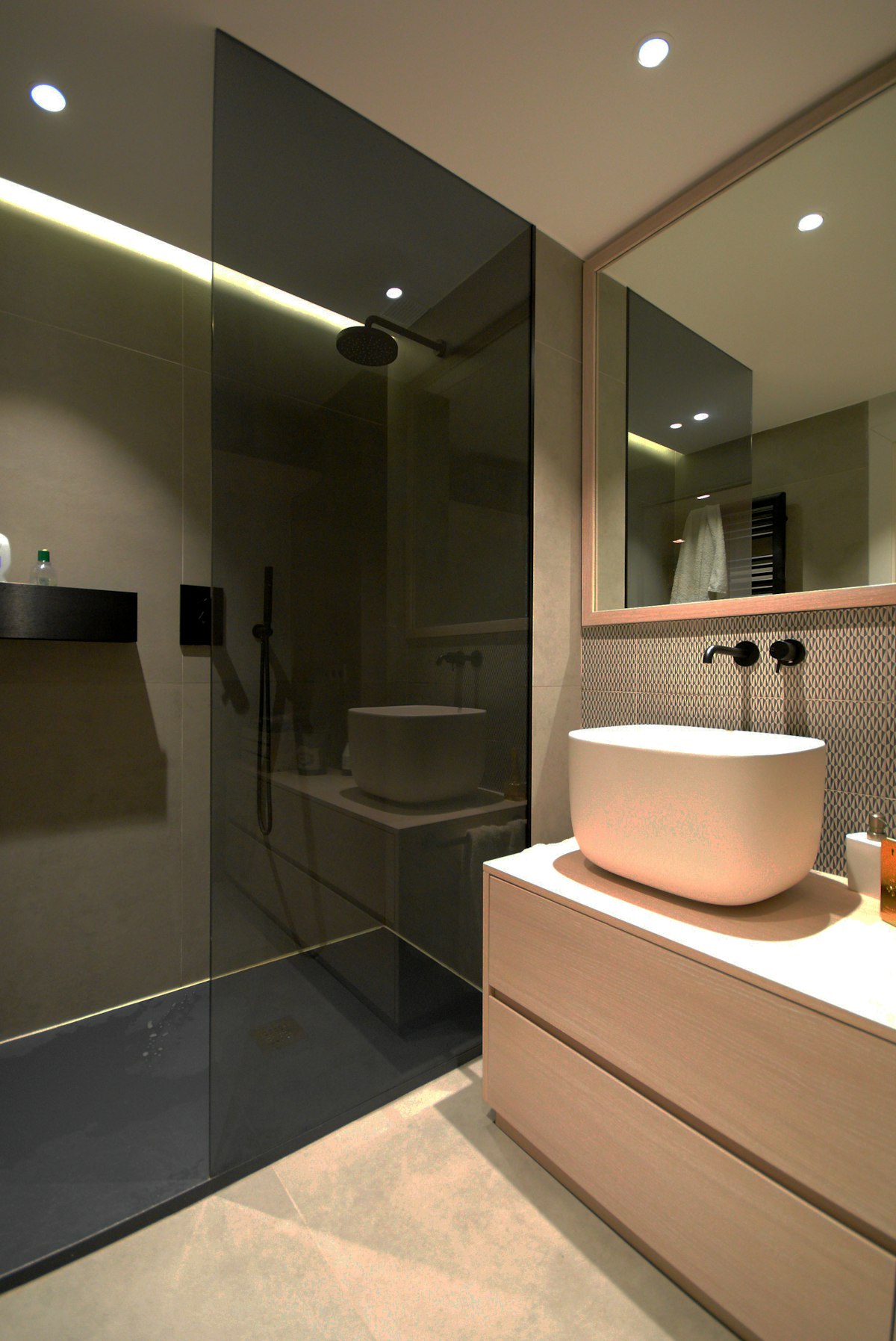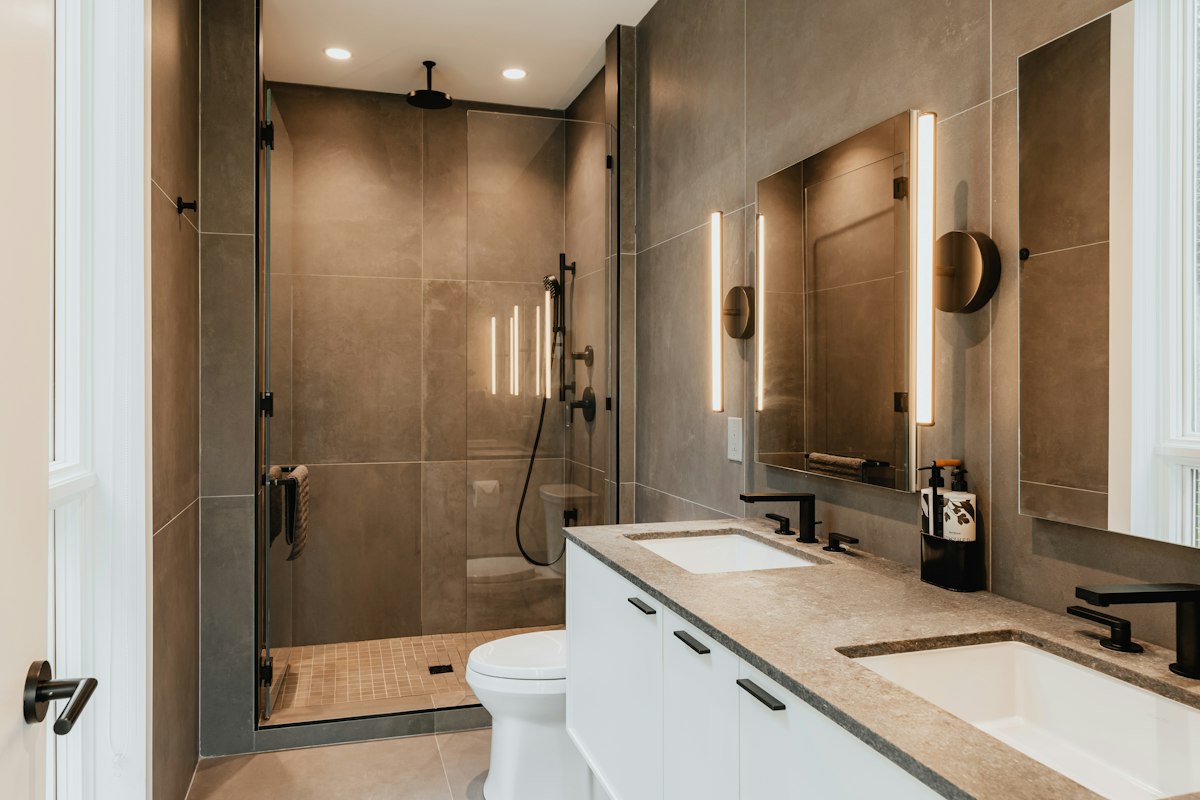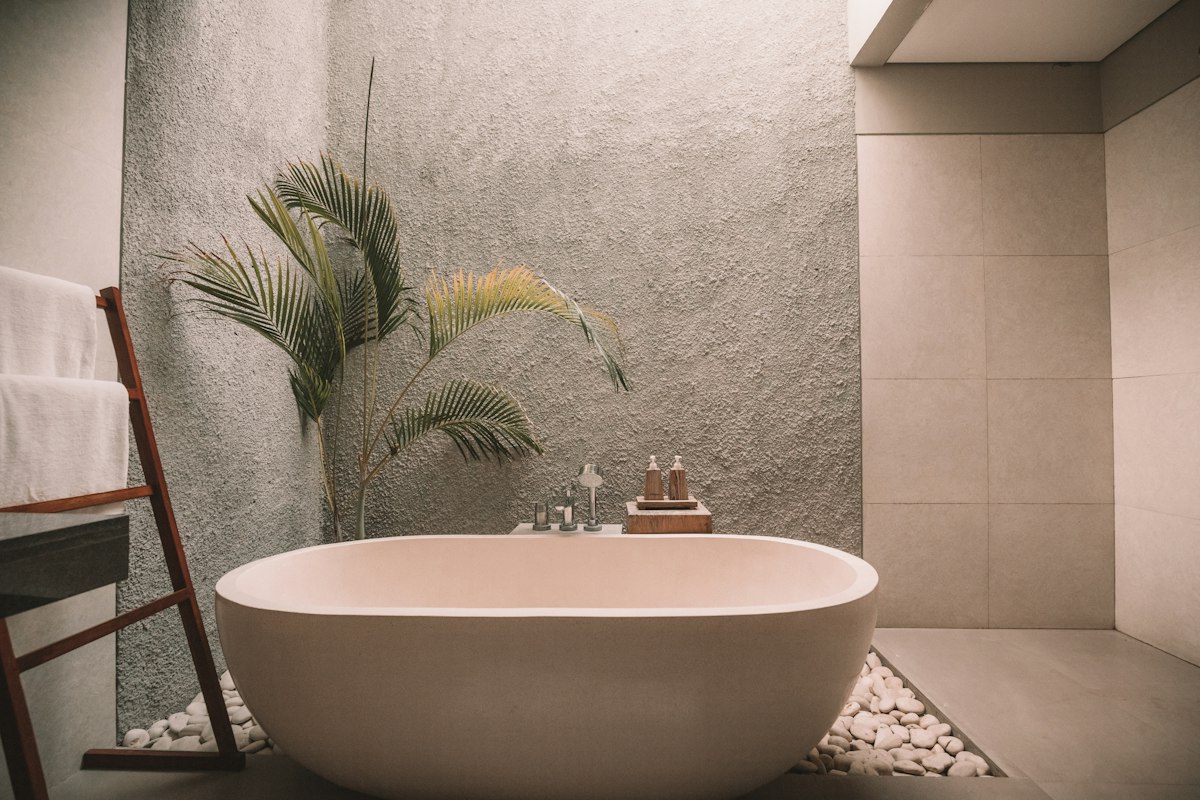
Tile and grout form the visible finish, but the complete wet area needs an appropriate waterproofing system beneath or behind it. The correct arrangement depends on the construction, products and local requirements. Have a qualified installer specify the system before tiling begins.
Pay attention to corners, penetrations, drain connections and changes of plane. These details need compatible components and careful workmanship. Ask which inspections or testing are required and obtain the relevant installation records before the work is concealed.
Avoid mixing products casually or treating extra sealant as a substitute for the specified system. Keep photographs and product details in the home maintenance file. A good bathroom begins with an installation that manages water reliably, even though most of it will never be seen.
Ask the installer to describe the proposed wet area as a complete system rather than a collection of separate purchases. The supporting surface, preparation, waterproof layer, junctions and drainage connection must be compatible. A product that performs well on one substrate may not suit another. Written product references make the discussion more useful than a general assurance that every bathroom is waterproofed in the same way.
Changes made during construction deserve another review. Moving a shower outlet, adding a niche or changing the drain can alter details that were already agreed. Avoid asking different trades to improvise around each other without a clear responsibility for the complete result. Pause for the installer to confirm the revised arrangement before it is covered. Fixing a coordination problem at this stage is more manageable than discovering it after finishes are complete.
Use progress photographs as a record, while recognizing that pictures alone cannot prove performance. Images can show where products and components were placed and help explain the construction during future repairs. Ask for the installation instructions and any required records of inspection or testing as well. The useful maintenance file combines the specified products, the responsible installer and the checks appropriate to that particular installation.
Keep decorative decisions from obscuring technical requirements. A very thin tile edge or apparently seamless corner may require a detail that differs from a photograph. Ask how the desired appearance can be achieved within the chosen system. If the proposed finish conflicts with the installation guidance, reconsider the appearance instead of asking the installer to omit a necessary component. The hidden construction has a longer job to do than a styled image.
At handover, ask what changes could damage the finished wet area and how future accessories should be fitted. Drilling for a shelf or replacing a screen can affect more than the visible tile. Keep the contact details of the installer and the exact product information available for anyone doing later work. This makes maintenance a considered continuation of the original design rather than a series of guesses about what lies behind the surface.
A bathroom must be assessed as a complete installation. Confirm product suitability, waterproofing, ventilation and applicable local requirements with qualified installers before beginning work or purchasing fitted components.