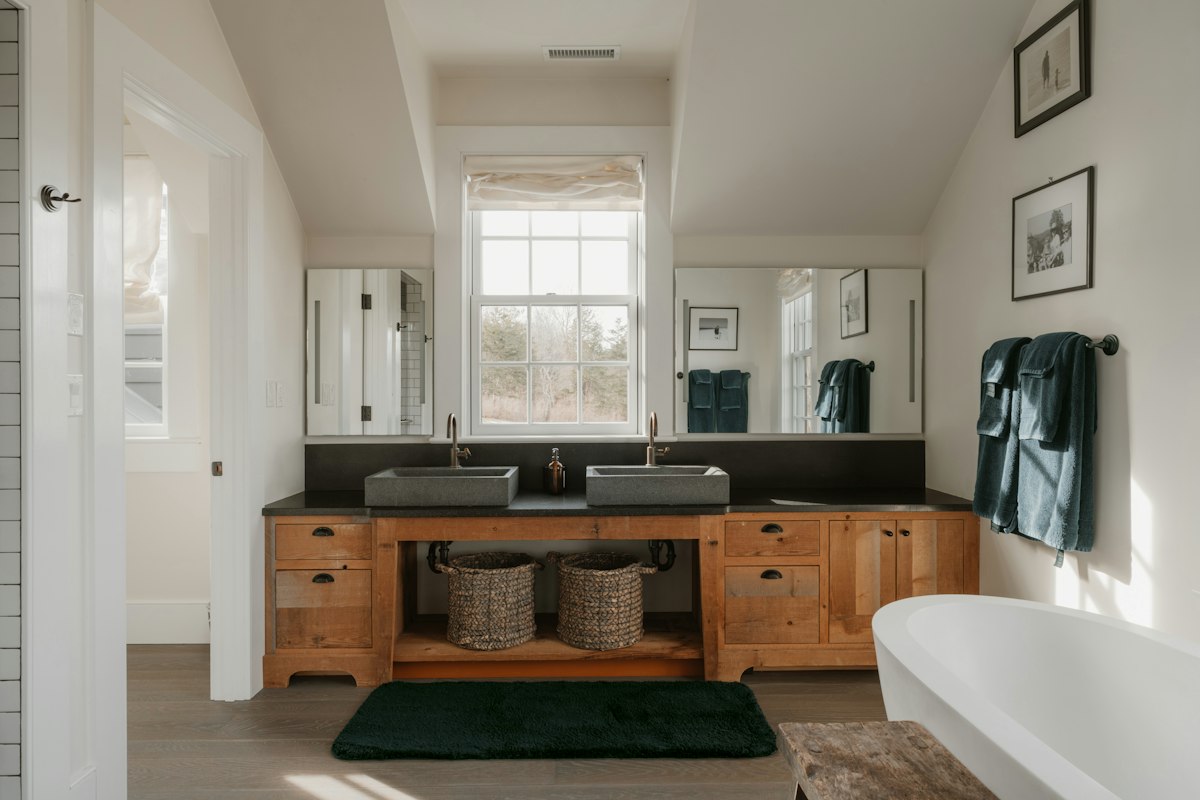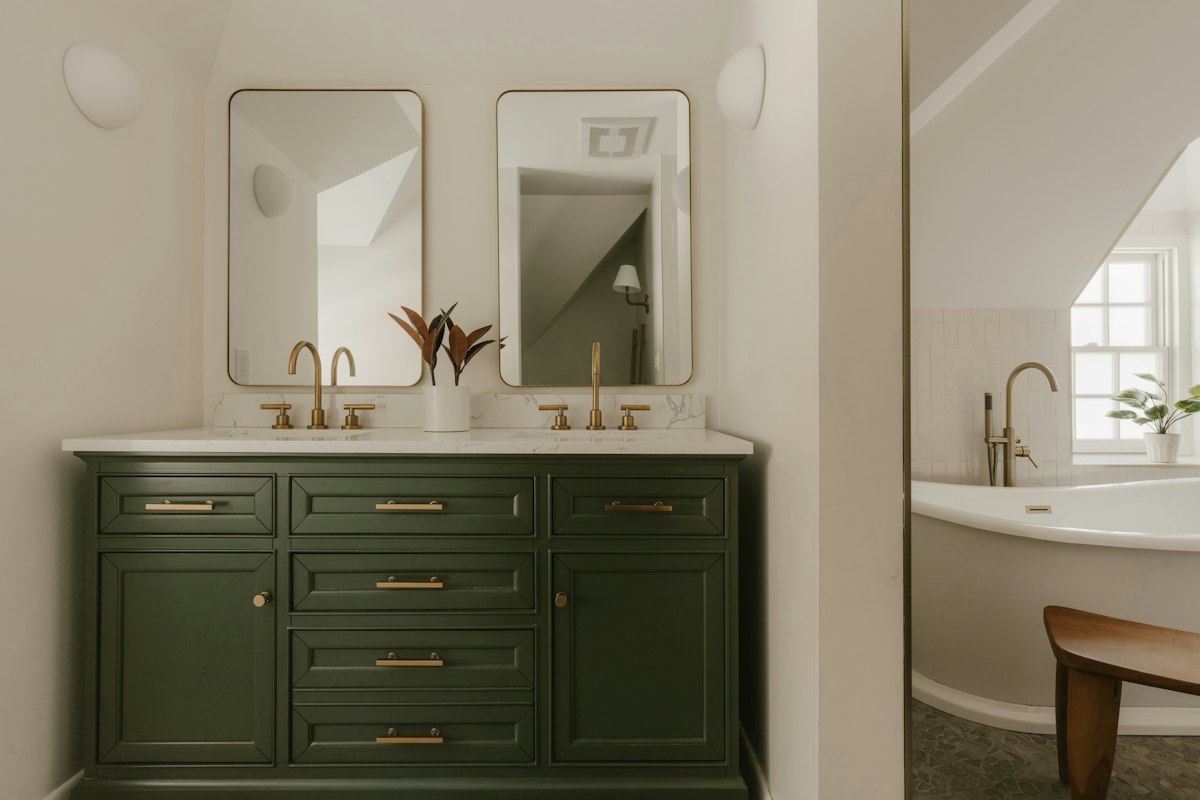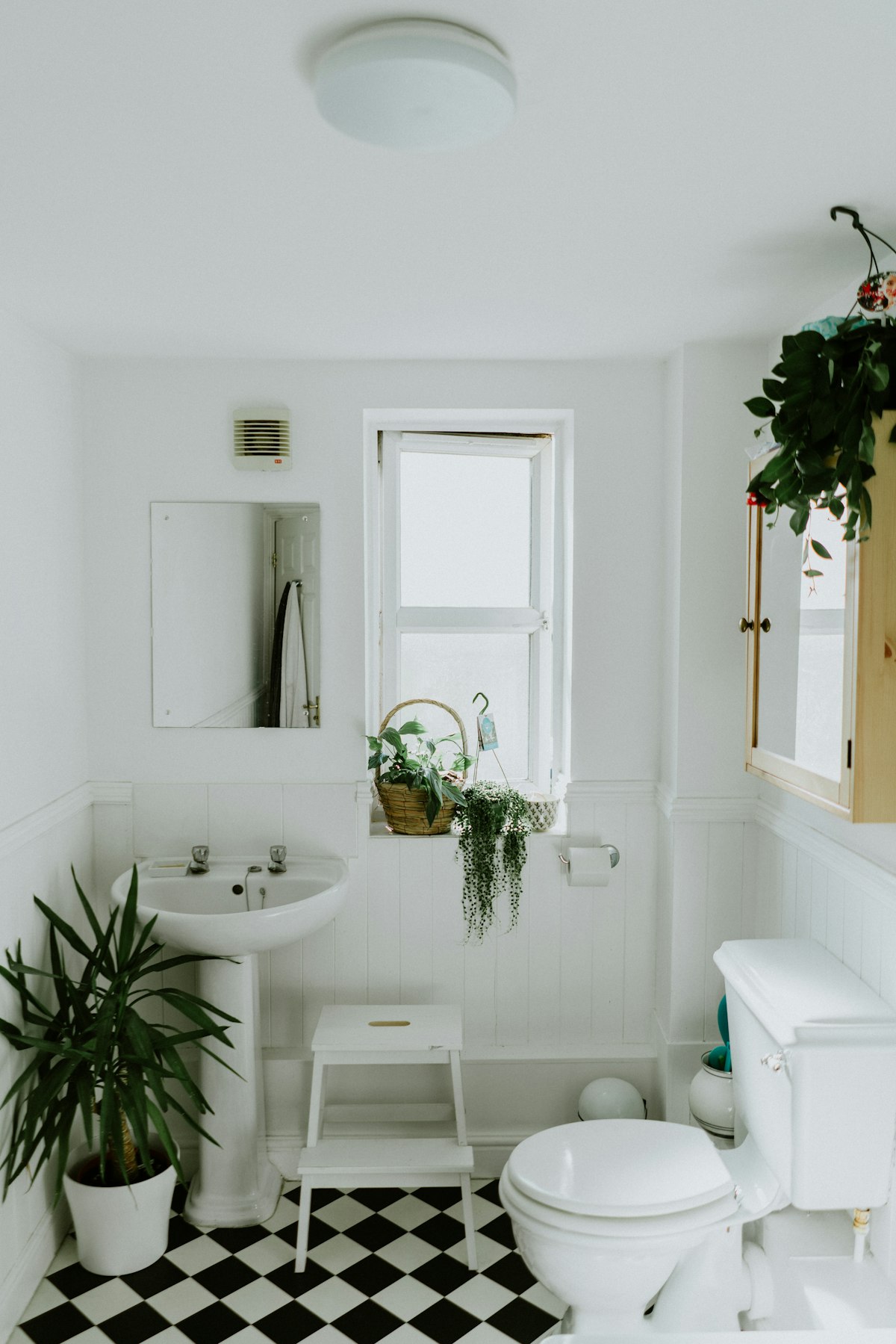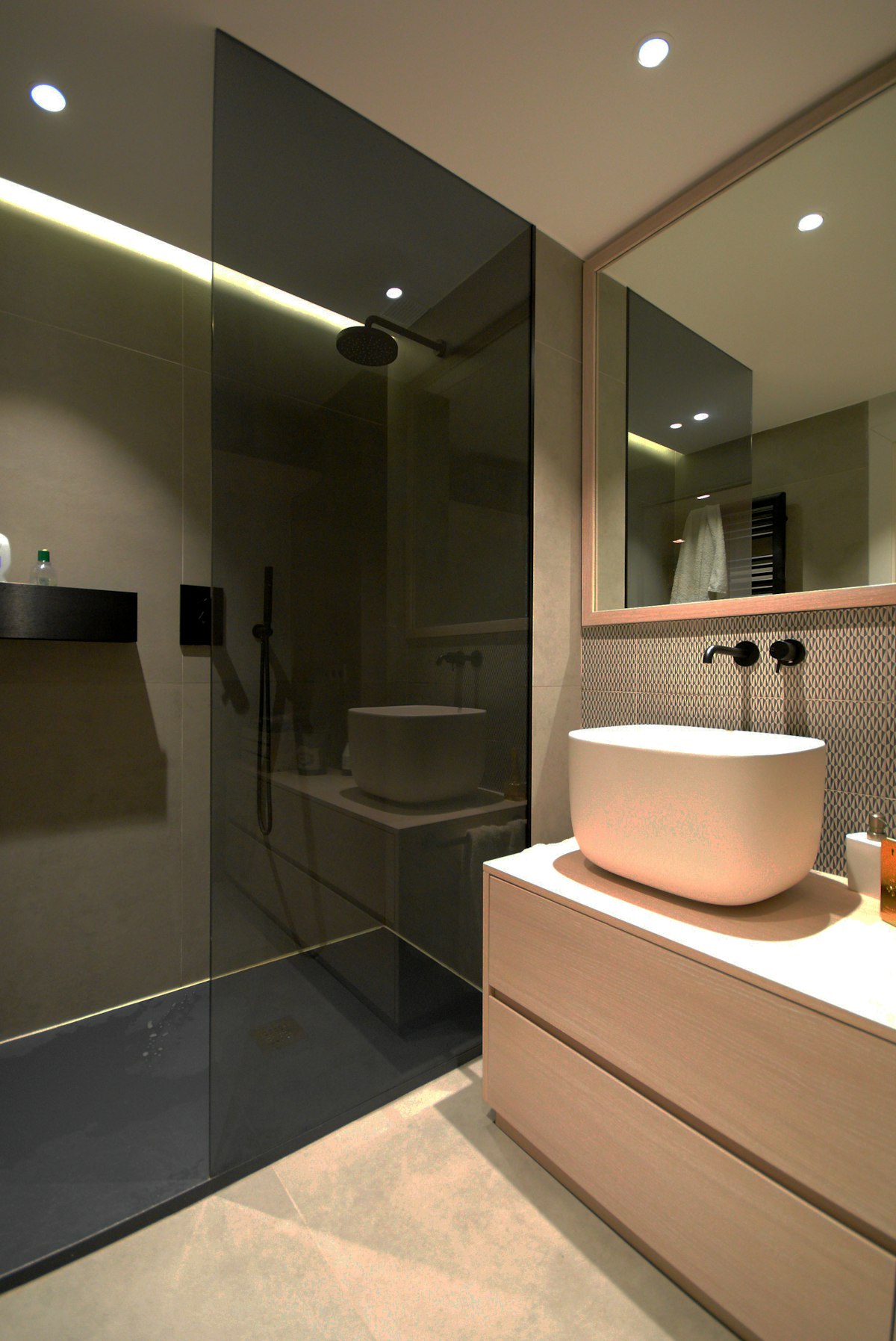
Large tiles can reduce the number of visible joints, but their suitability depends on the room shape and installation. Draw the layout around corners, fittings and drains before choosing a size. A large format may create awkward cuts in a narrow or irregular space.
Discuss flatness, support and adhesive requirements with the tiler. Shower floors need a layout compatible with the drainage arrangement and suitable slip performance. The tile that works beautifully on a wall may be unsuitable for the floor beside it.
Compare the complete installed cost rather than the tile price alone. Handling and preparation can affect the budget. Choose a format that produces balanced cuts and a dependable installation instead of assuming fewer grout lines always means a better result.
Draw several tile sizes onto the same elevation or floor outline before selecting a favourite. Include the actual doorway, window and fixture positions, since these interruptions determine the visible cuts. A large tile may create a calm main wall but leave a narrow strip at one end. A smaller format can sometimes produce a more balanced finish. Judge the composition in the room rather than assuming a larger individual tile always makes a small space appear larger.
Ask the tiler how the proposed layout relates to the drain and changes in surface direction. A shower floor may need a different format from the walls to suit its drainage design. The tiles can still feel coordinated through colour or texture. Forcing a large wall format onto every surface can complicate an otherwise sensible scheme. Let technical suitability set the available choices before refining the visual continuity.
Look at the tile faces together rather than viewing one sample. Stone effects and other printed finishes can vary substantially between pieces, and a repeated pattern becomes more obvious across a small uninterrupted wall. Ask how the range should be distributed and which edges will be visible. Decide whether a quiet overall appearance matters more than dramatic individual markings. This helps prevent the tile from competing with every other bathroom element.
Allow time for the supporting preparation to be assessed. Large tiles can make irregularities in the base more consequential, so the installer should specify the appropriate preparation and compatible materials. Do not press for a decorative shortcut simply because an existing surface looks reasonably smooth. Ask what will be checked before fitting and how any additional work will be agreed. A clear scope makes a comparison between tile sizes more meaningful.
Think about future repairs as well as the initial impression. Replacing one large piece near a fitting can involve different access and matching difficulties from replacing a small tile. Keep spare material and accurate product details where practical. At the final layout review, check the doorway view and the main wall corners in particular. A considered arrangement of cuts, joints and fittings often contributes more to the finished room than the nominal size printed on the box.
A bathroom must be assessed as a complete installation. Confirm product suitability, waterproofing, ventilation and applicable local requirements with qualified installers before beginning work or purchasing fitted components.