Choose a mirror position that supports dressing and reflects a view you are happy to see. Check the angle from the bed as well as from the doorway. A large reflection can add depth, but direct sunlight or a bright lamp may create distracting glare.
Confirm the weight and mounting instructions before installation. Leaning mirrors need appropriate restraint according to the product guidance and household circumstances. Have a competent installer assess the wall and fixings for large or heavy pieces.
Begin with the activity the mirror needs to support. Dressing requires a usable view of the body and enough space to step back, while a small grooming mirror serves a different purpose. Mark the likely position and stand where you would use it. Check that the bed or an open wardrobe door does not block that everyday standing area.
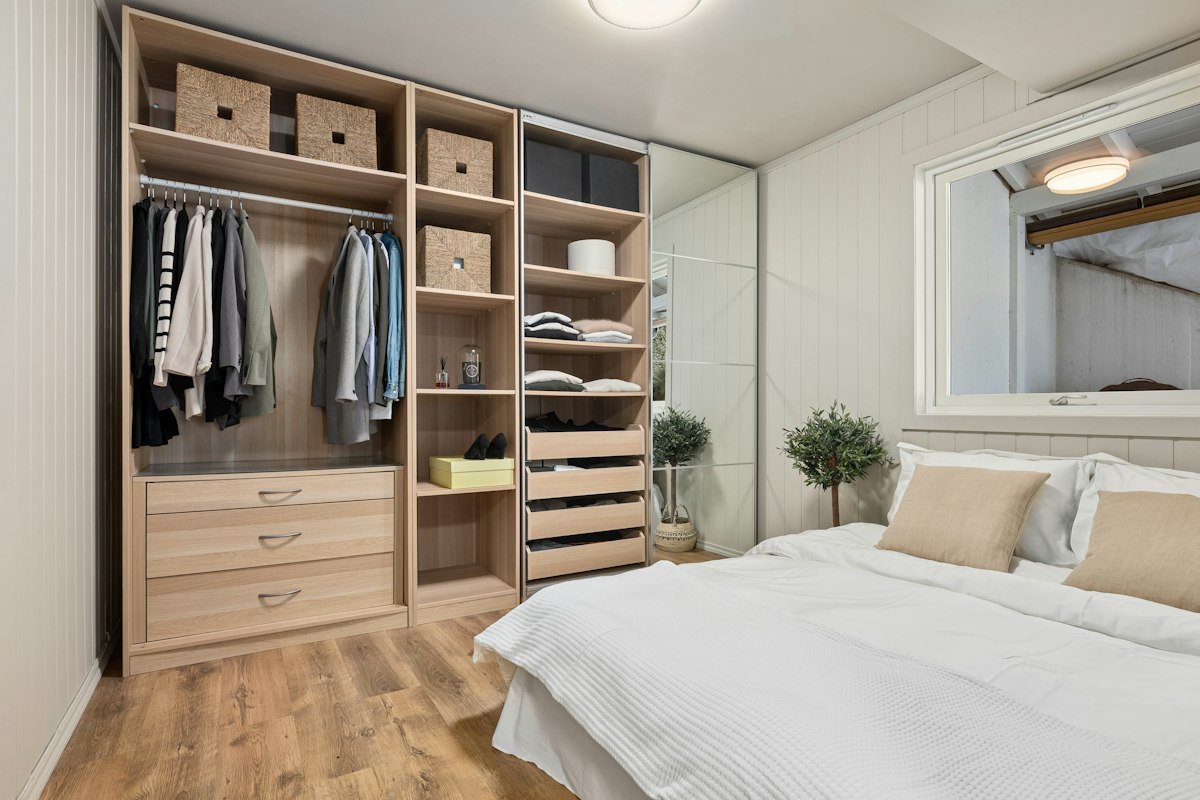
Observe the reflection from the bed and the doorway at several times of day. A mirror opposite a bright window can increase the impression of light but may also create glare. A reflection of open storage can make the room seem busier. Choose the position for the view it actually produces rather than assuming every reflective surface makes a bedroom calmer.
Measure the mirror frame as well as the glass. A broad decorative surround may project beyond the available wall area or interfere with a bedside light. Compare its scale with the furniture below it and leave a clear relationship between the edges. Use a paper outline before ordering a large piece that will be difficult to return or reposition.
Confirm the full weight and mounting instructions with the supplier. The wall construction and suitable anchors must support the actual load, not an estimate based on the mirror size. A competent installer can assess uncertain conditions and concealed services. Do not substitute ordinary picture hardware simply because the fixing points appear similar to those on a lighter object.
Take particular care with mirrors sold for leaning against a wall. Follow their restraint instructions and consider the household, nearby routes and possible contact with children or pets. A heavy piece can become unstable when knocked or moved during cleaning. Its position should remain safe during normal use rather than only when the room is undisturbed.
Read the guidance for cleaning the glass, frame and edges. Different finishes can need different methods, and excess moisture around a coated edge may be inappropriate. Keep access for wiping without having to climb over furniture. A mirror that improves dressing and the room view is more useful than a dramatic piece that creates constant practical difficulties.
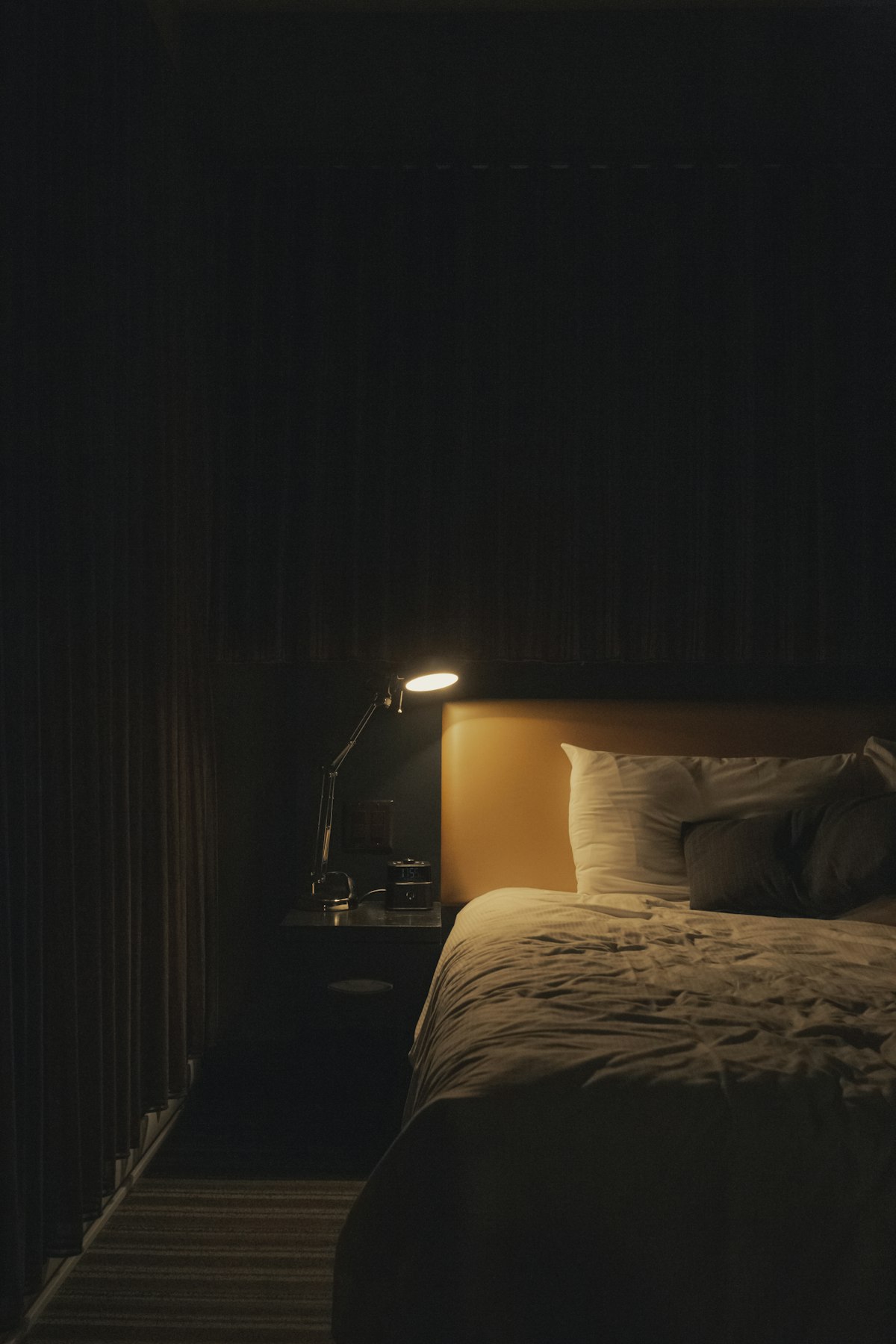
Look at any nearby lamp in the reflection before finalizing the position. The shade may hide the bulb from one angle while exposing it in the mirror from another. Adjust portable lighting where possible and ask an electrician about permanent changes rather than tolerating distracting glare.
Keep enough space to stand comfortably in front of a dressing mirror. Relate its shape to nearby furniture without crowding the wall. The mirror should improve everyday use rather than add another object that must be moved to reach storage.
Check dimensions against your room and follow furniture anchoring, textile care and electrical safety instructions. Use a competent installer for uncertain wall fixings and appropriately qualified help for permanent service changes.