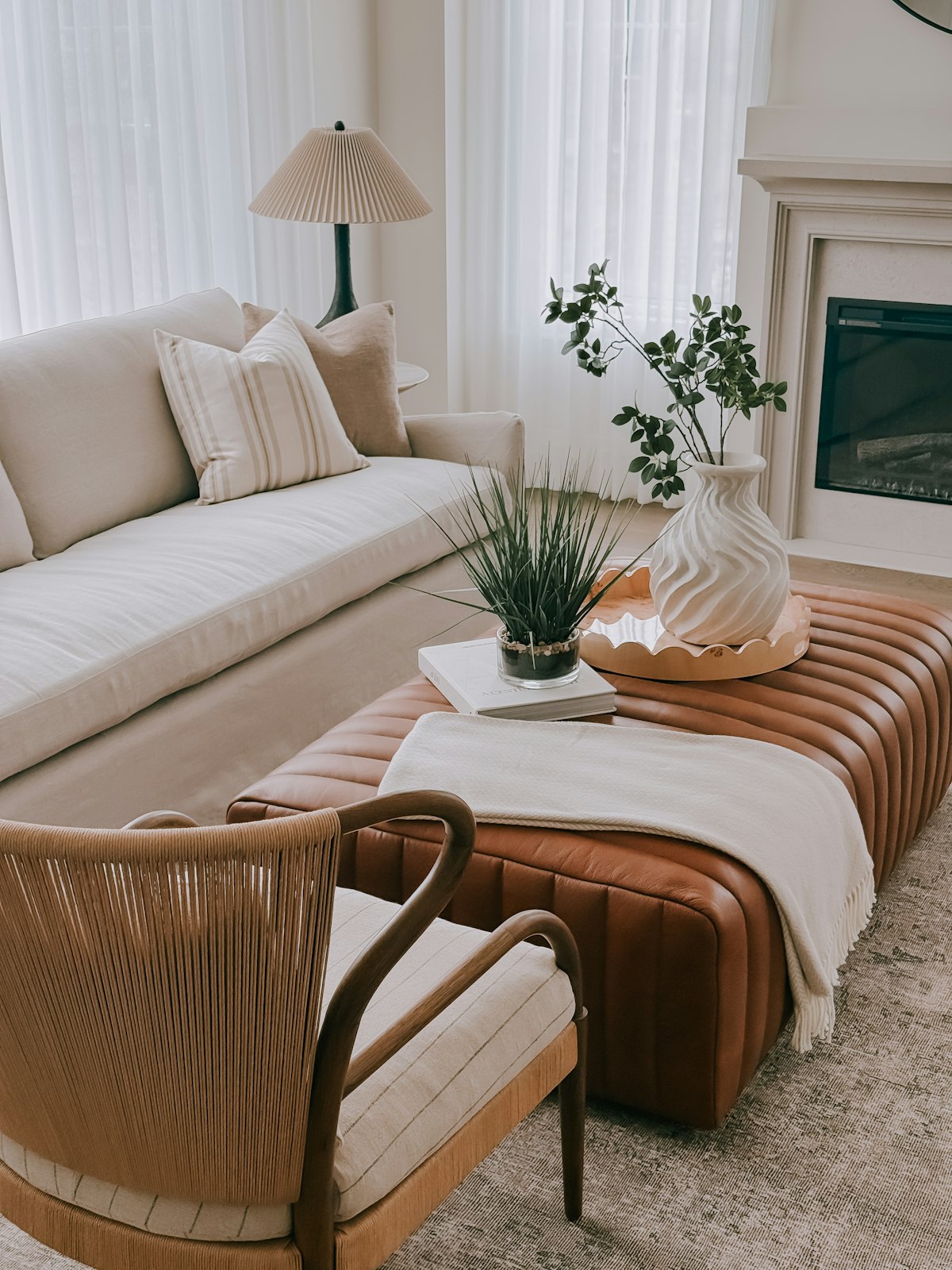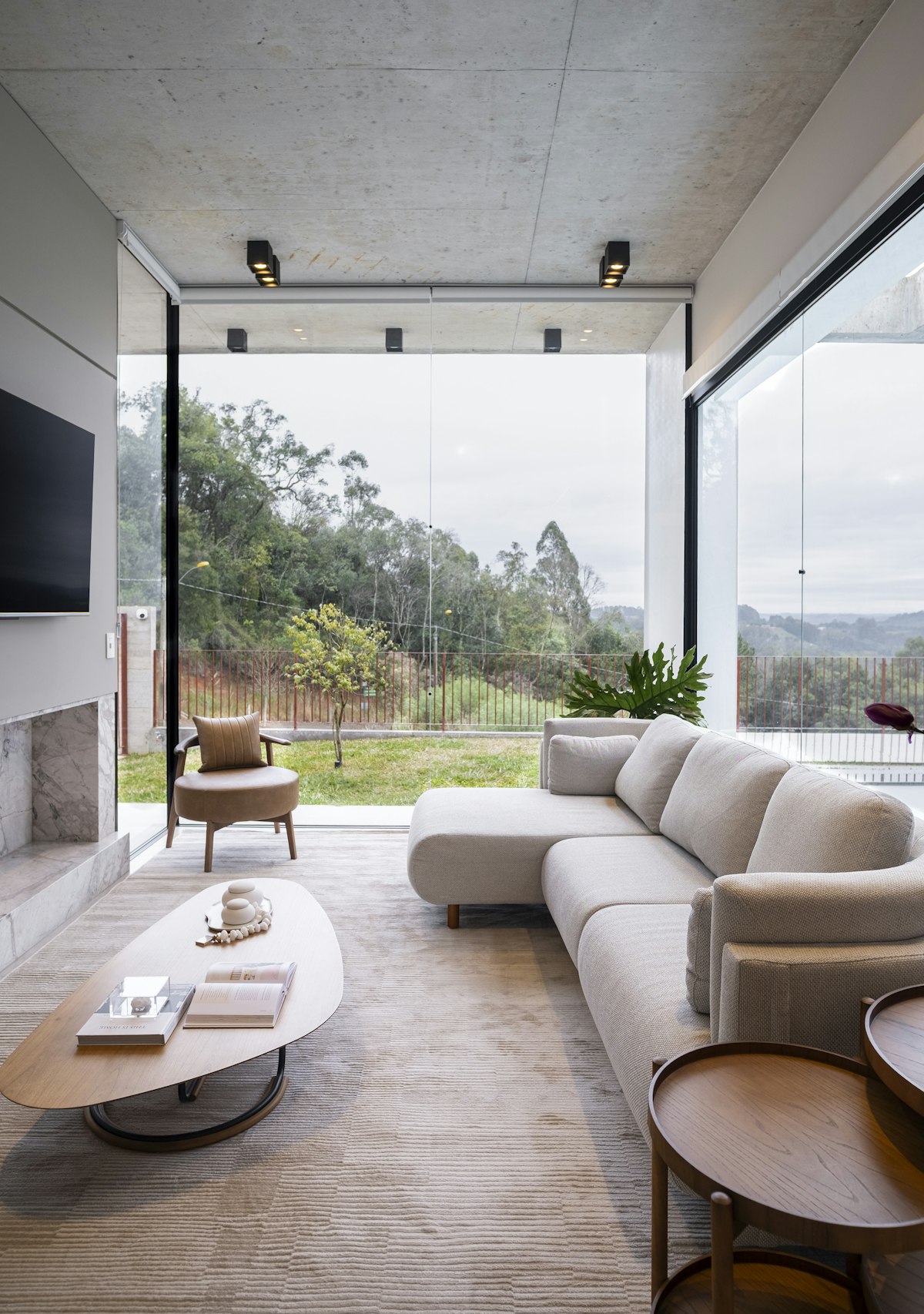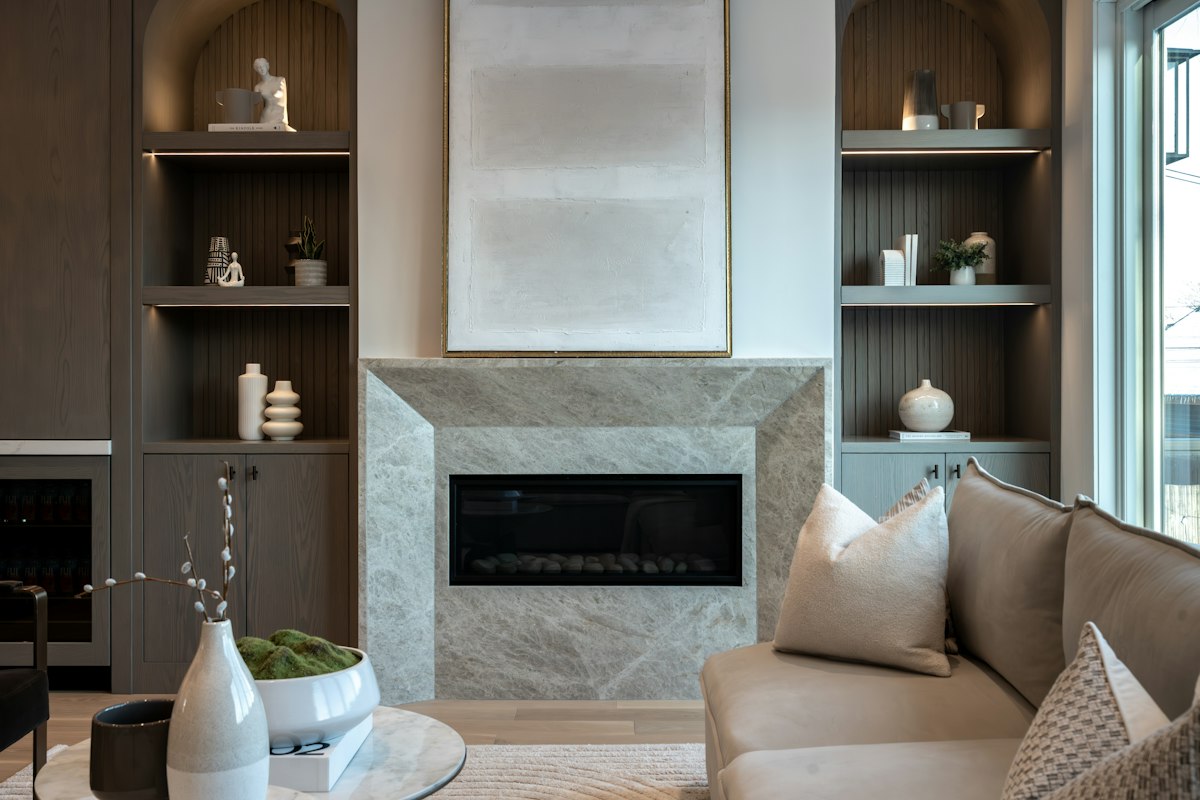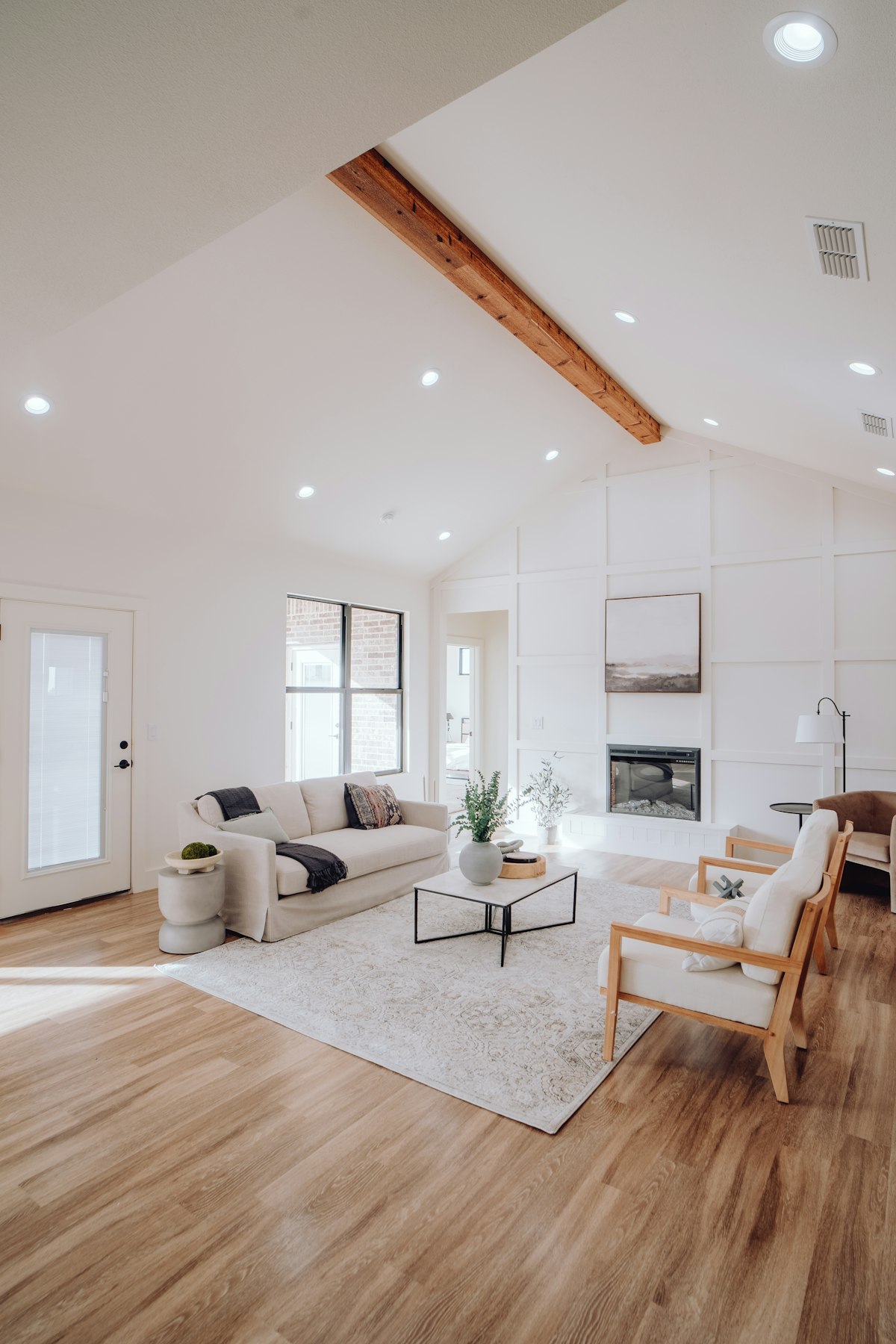
Begin with the way people will sit together rather than pushing every seat against a wall. Position the main sofa and chairs so conversation feels comfortable. Keep the route through the room clear, including the space occupied when someone is actually seated.
Use a rug or coffee table to connect the group visually, but check that reaching a drink does not require an awkward stretch. A small room may work better with fewer substantial pieces than several tiny items scattered around its perimeter.
Test the arrangement before buying new furniture by moving what you already own. Watch how daylight and screen glare change through the day. A successful seating group supports both conversation and ordinary movement without making the room feel staged.
Choose the main social activity before moving furniture. A room used for long conversations needs a different emphasis from one where people mainly watch a screen together. Identify the seats that will be used most often and give them a comfortable relationship. A pair of chairs turned slightly toward the sofa can create a useful group without requiring a matching suite. Avoid letting the largest empty wall decide the entire arrangement by default.
Test the group with actual people when possible. Sit where a guest would sit and notice whether conversation requires turning your whole body or leaning forward to be heard. Look for a convenient place to set down a cup and space to stand up without moving another chair. These small observations reveal more than an overhead plan alone. A room that looks balanced from the doorway may still contain one seat that nobody chooses during an ordinary evening.
Keep circulation around the group rather than repeatedly through it where the room allows. A route between the entrance and another door can interrupt conversation if it cuts directly between the main seats. Move a table or adjust a chair before assuming the room needs less seating. The aim is not a rigid formal arrangement. It is a comfortable relationship between people, their belongings and the routes the household uses every day.
Consider occasional guests without allowing a rare gathering to control the permanent layout. A light chair that has another useful home can join the main group when needed, provided moving it does not create an obstruction. The everyday room may work better with fewer permanent pieces and a little breathing space. Decide which occasional arrangement is genuinely practical rather than buying additional furniture that makes normal use crowded throughout the year.
Review the layout under evening lighting as well as in daylight. A conversation area can feel fragmented when one seat sits in a dark corner or directly beside a glaring lamp. Use lighting and a related material or colour to connect the seats without making every object identical. After a few days of use, adjust any piece that people repeatedly move aside. A successful conversation layout is confirmed by comfortable use, not by the symmetry of its furniture plan.
Measure your own room and check furniture, fixing and care instructions before buying. Have heavy wall mounted items and permanent electrical changes assessed by competent professionals where the installation requires it.