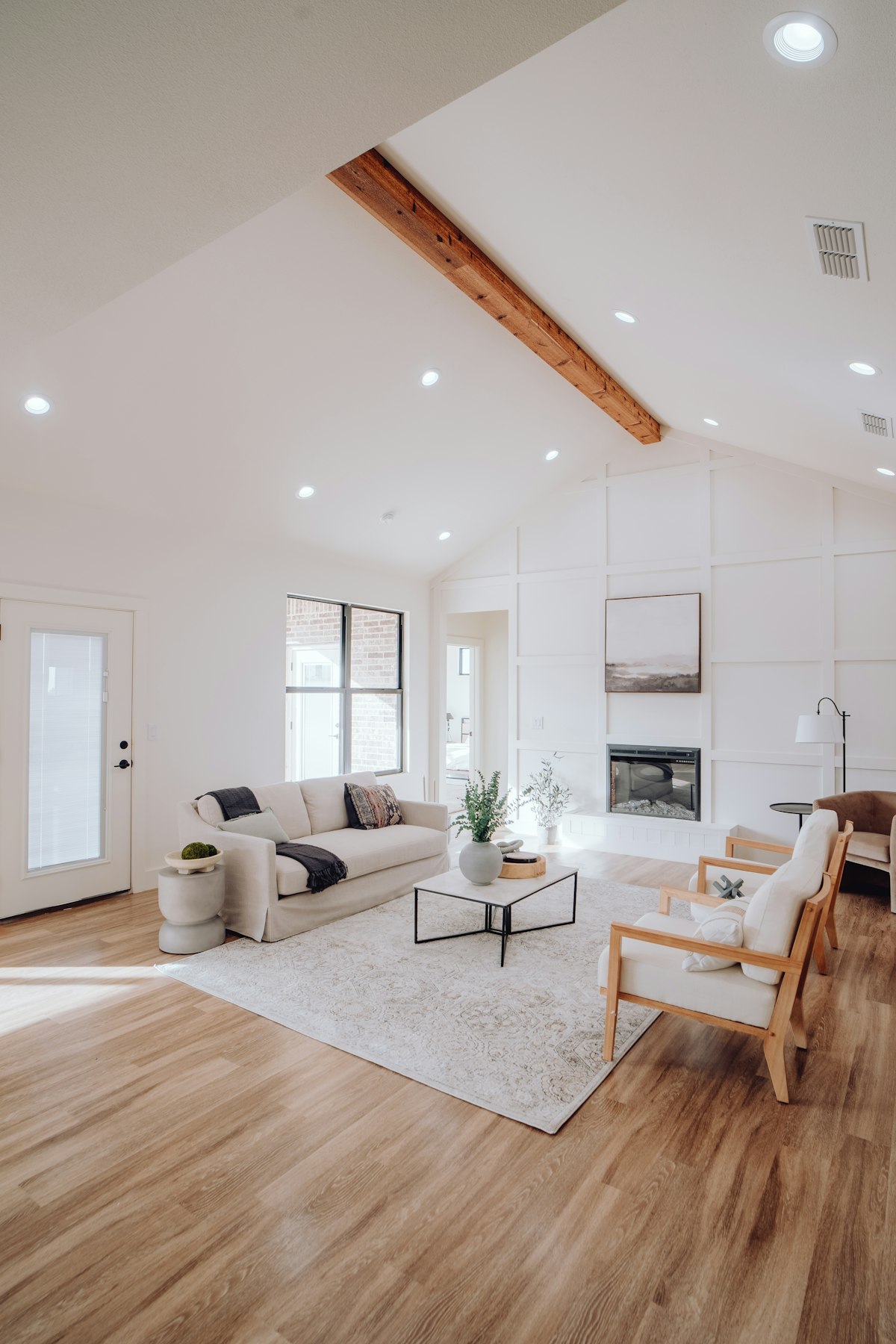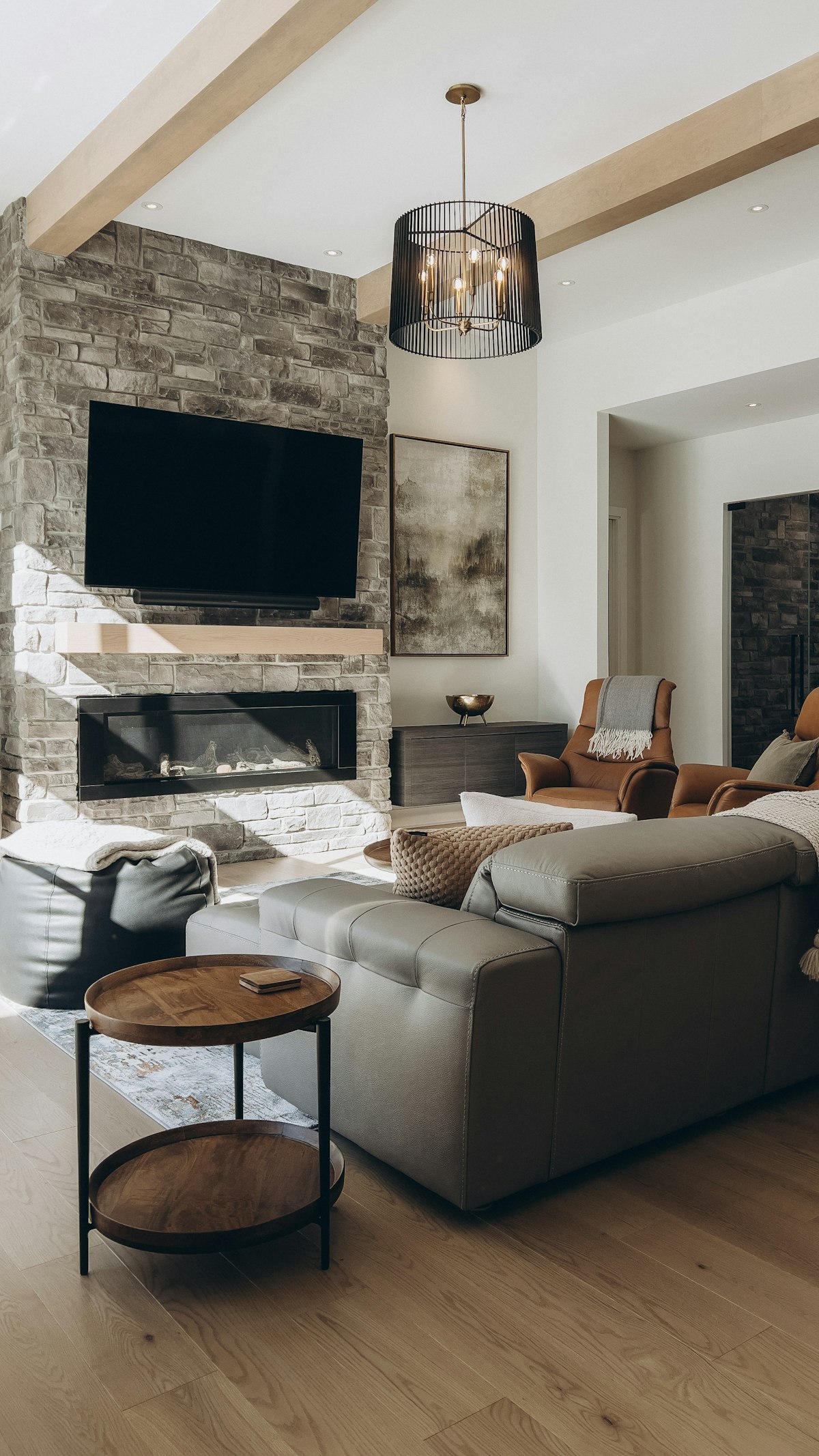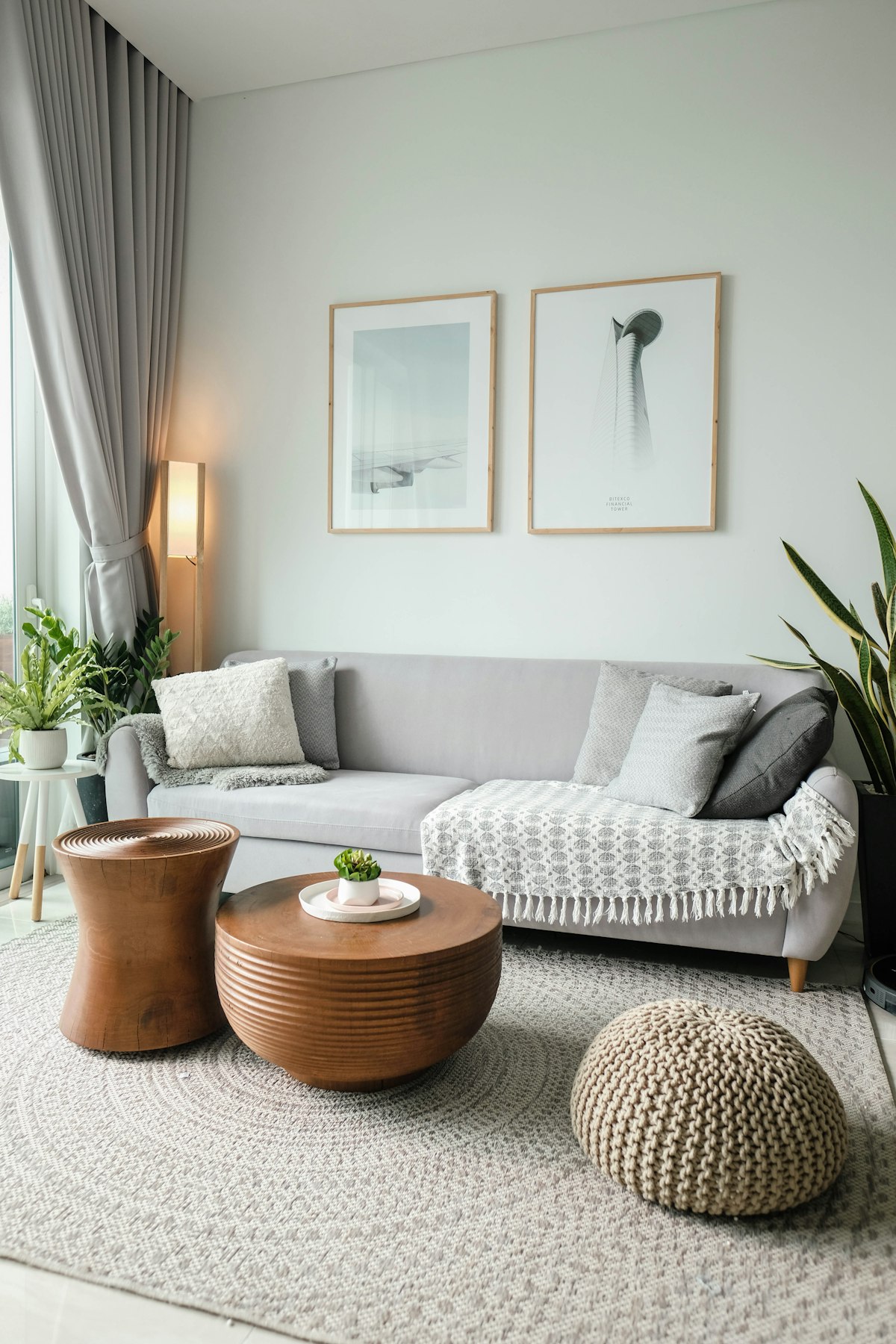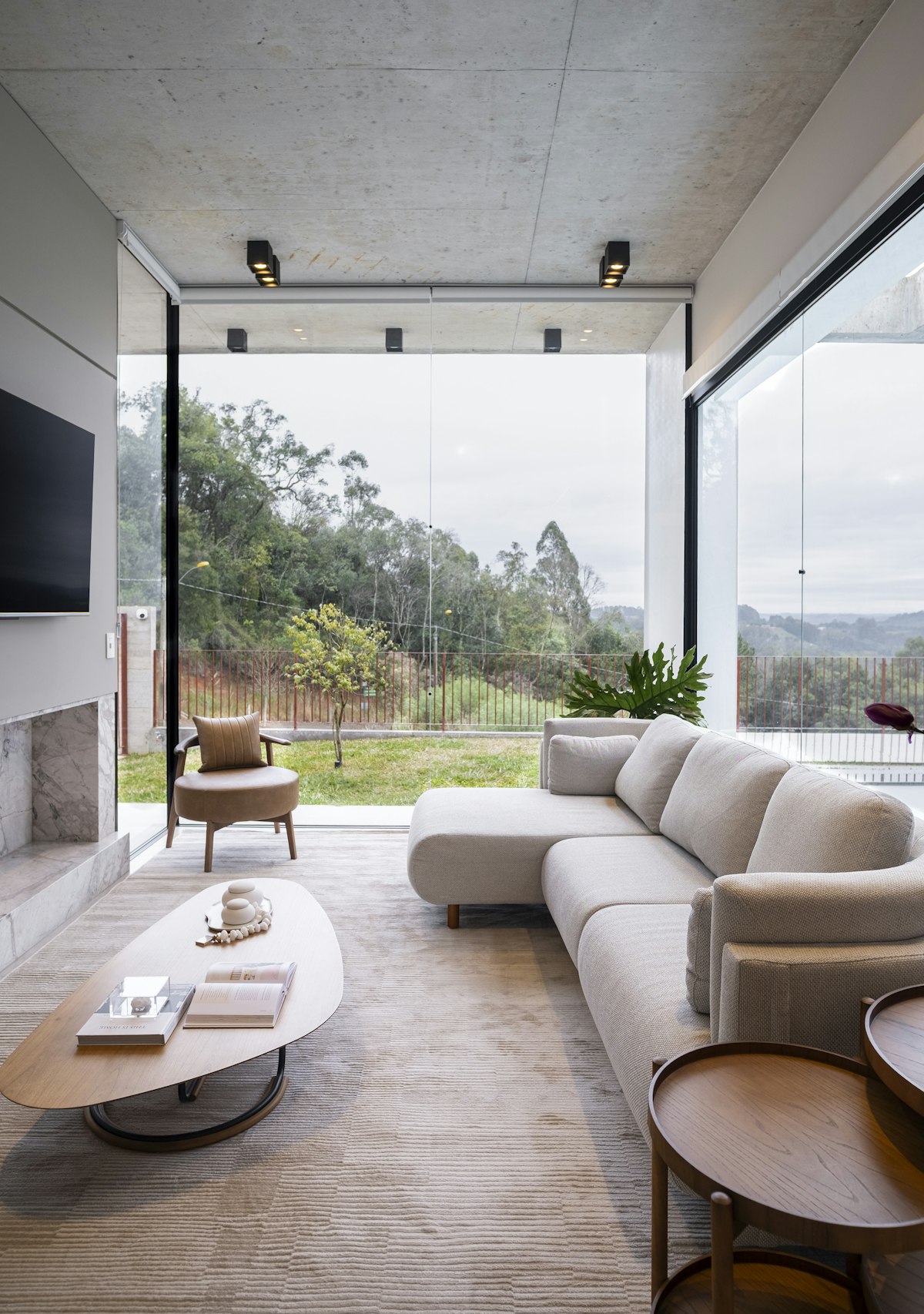
Set the table size and shape against the seats that surround it. Leave enough room for comfortable movement and check whether someone can reach it from the main sofa. A round shape may soften a tight route, while a rectangular table can suit a longer seating group.
Consider stability, edge detail and the way the household uses the room. Storage can be useful, but a bulky base may crowd the floor. Compare the table height with the actual seat cushions rather than relying on category descriptions.
Mark the footprint before purchasing and imagine the table during an ordinary evening. Leave space for feet and any reclining movement. Choose a finish whose care requirements suit drinks, books and the other objects that will actually land on it.
Mark the proposed tabletop and base on the floor before buying. The top may fit comfortably while projecting legs or a heavy lower shelf occupy the space where feet need to go. Compare the shape with the route around the sofa and the position of nearby chairs. A rounded edge can feel useful in one arrangement, while a longer rectangle may provide better reach in another. The actual room layout should decide which advantage matters most.
Test the table from the seats that will use it. A surface that looks centred may be too far from a favourite chair or awkwardly high beside low cushions. Notice how someone reaches for a drink and where their knees fall when sitting normally. If one table cannot serve every seat without becoming oversized, a modest side table may be a better addition. Do not make the central piece dominate the room simply to reach an occasional sitting position.
Think about what lands on the table during an ordinary evening. Drinks, books, a board game or a laptop may require a different surface from one mainly used for a decorative object. Choose a finish and construction whose care guidance suits that use. A delicate surface can be appropriate if the household accepts the routine it needs. It is less successful when everyone has to avoid using the most reachable table for its intended purpose.
Assess stability and movement honestly. A table with storage may be useful, but its drawers or lifting parts need space to operate. Follow the product instructions and consider the household circumstances before choosing a moving mechanism. Very light pieces can be easy to shift but may not feel dependable during ordinary use. Compare these practical qualities with appearance rather than assuming that a compact or fashionable design will automatically behave well in the room.
Leave the final styling simple enough to preserve a usable surface. A tray can gather small items, although it should not occupy nearly all the available area. Keep meaningful objects where they do not need constant moving to make room for a cup. Reassess the arrangement after using the table for a week. A good coffee table belongs to the seating layout through its size, reach and usefulness, not merely because its material matches the surrounding furniture.
Measure your own room and check furniture, fixing and care instructions before buying. Have heavy wall mounted items and permanent electrical changes assessed by competent professionals where the installation requires it.