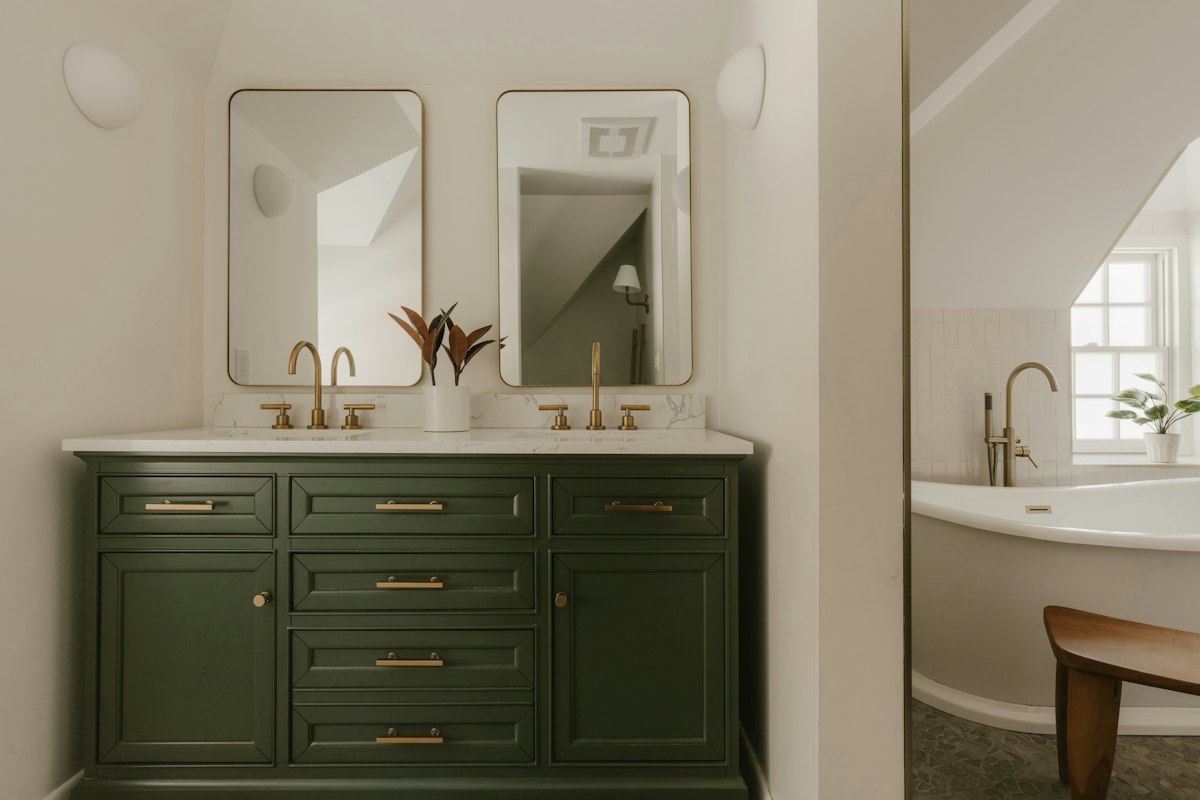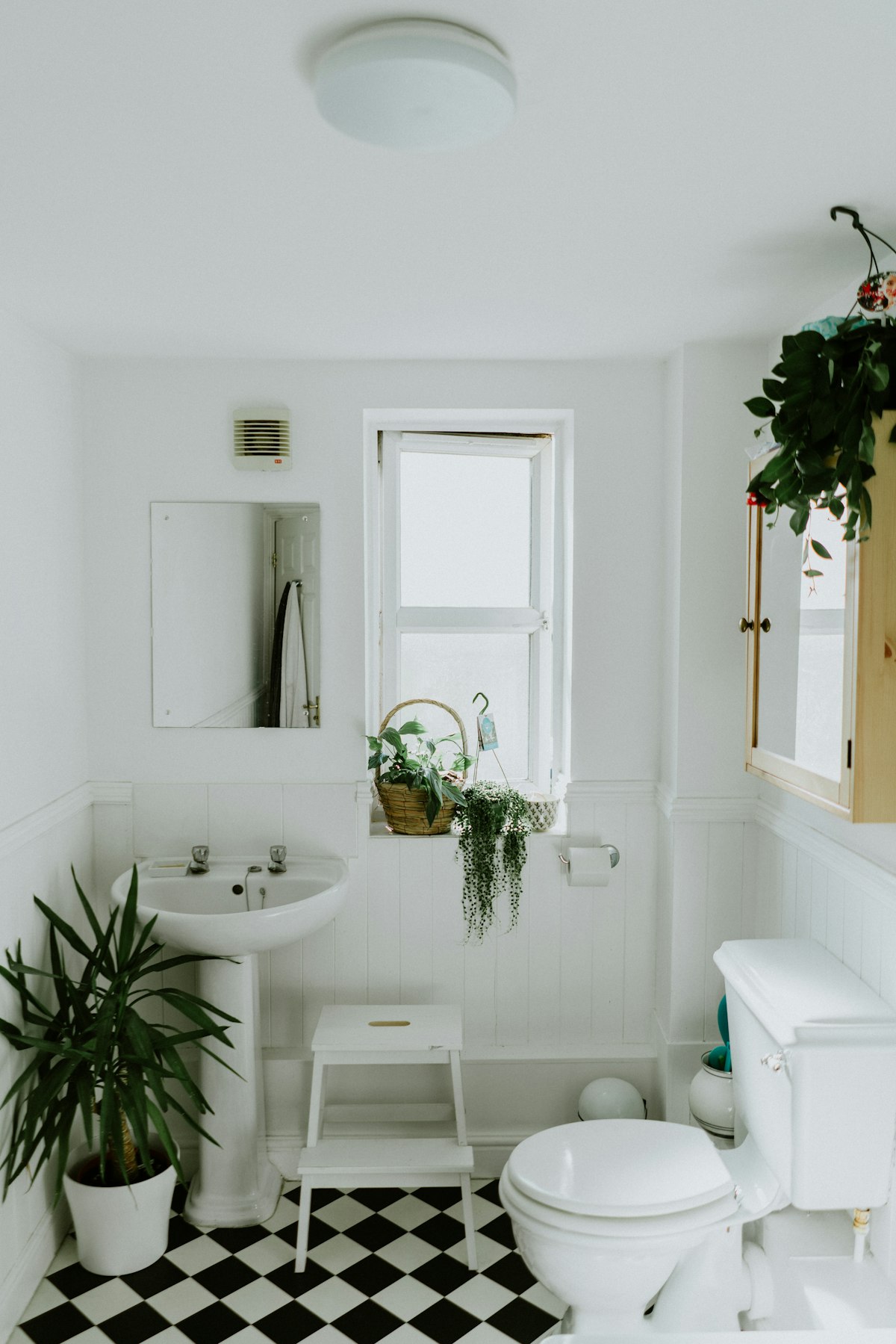
A compact basin can create useful movement space, but the bowl must still suit ordinary hand washing. Check the internal shape as well as the overall width. A narrow rim and poorly placed tap can send water onto surrounding surfaces during routine use.
Compare the tap reach, available mounting space and waste arrangement with the plumber. Allow room for hands without forcing an awkward position against the wall. Use the actual product drawings before selecting a cabinet or ordering a wall mounted fitting.
Test the plan in relation to the door and nearby fixtures. A slightly larger basin may be easier to live with if storage can be simplified elsewhere. Choose practical proportion rather than the smallest number on a specification sheet.
Evaluate the bowl as a working area rather than choosing from the overall width alone. A compact basin can have a surprisingly useful interior or a large rim that leaves little washing space. Look at the depth, shape and tap arrangement together. If possible, try the reach to a similar display without assuming that the smallest product will feel comfortable. Preserving circulation is valuable, but it should not make ordinary hand washing an awkward compromise.
Draw the basin projection and the place where a person will stand on the room plan. Check the nearby door, toilet and storage in their open and closed positions. A corner design may resolve one conflict while creating another approach problem. Ask the installer to confirm the actual product dimensions and connection requirements. Judge each candidate by the room it creates around itself rather than comparing only the cabinet space or wall width it occupies.
Consider whether the basin needs to support other daily tasks. A small guest room used mainly for hand washing has different demands from the only family bathroom, where people may wash their face or manage grooming products. A little extra bowl area can be more useful than a decorative ledge if the room serves many functions. Be clear about those tasks before accepting a very compact design simply because it is marketed for small spaces.
Plan a sensible place for soap and a hand towel without crowding the rim. A wall fitting or nearby suitable storage may keep the washing area clearer, but its position and fixing must be coordinated with the construction. Do not let a bottle or dish block access to the tap. Small basins benefit from particularly careful placement because an accessory that seems minor can occupy a large share of the useful space around the bowl.
Confirm the basin, tap and waste as a compatible combination with the supplier and plumber before installation. Ask how the connections can be serviced and how the surrounding wall or cabinet should be protected and maintained. Keep the exact product references for future replacement. The most successful compact basin gives back useful movement space while still allowing a straightforward routine, with the surrounding details resolved rather than left for the user to work around afterward.
A bathroom must be assessed as a complete installation. Confirm product suitability, waterproofing, ventilation and applicable local requirements with qualified installers before beginning work or purchasing fitted components.