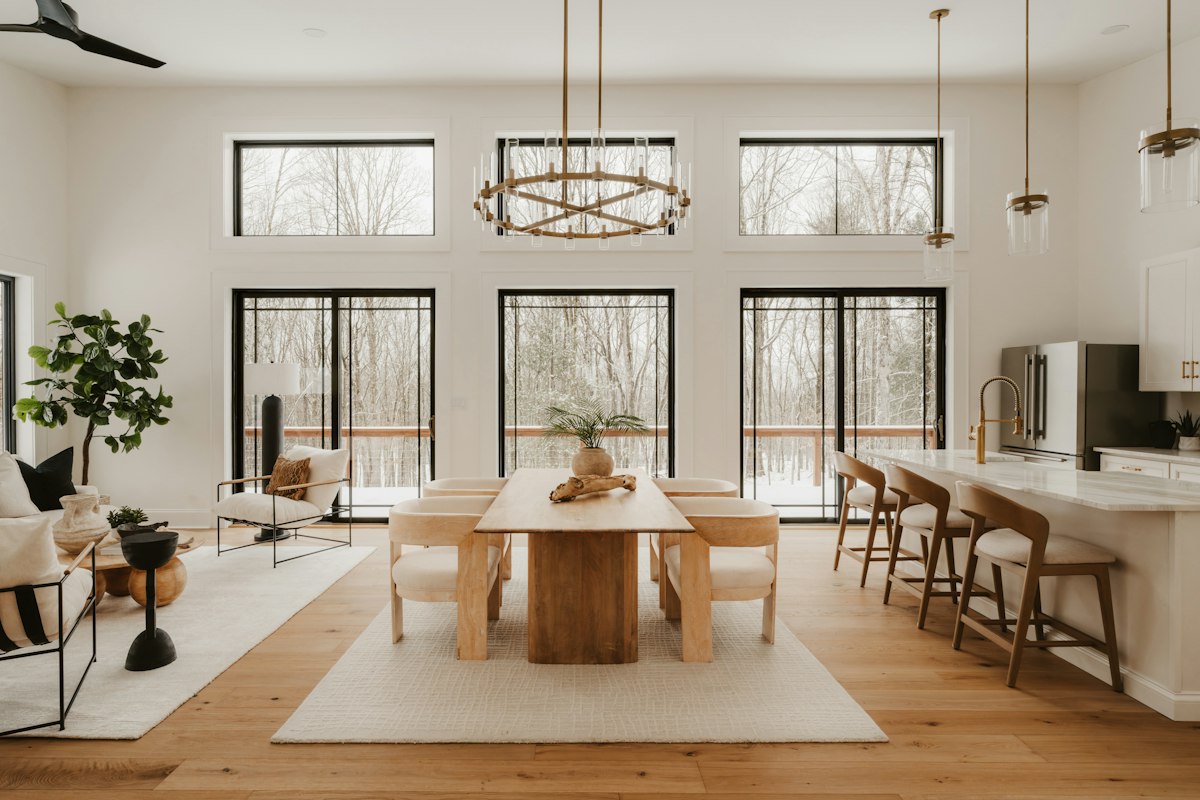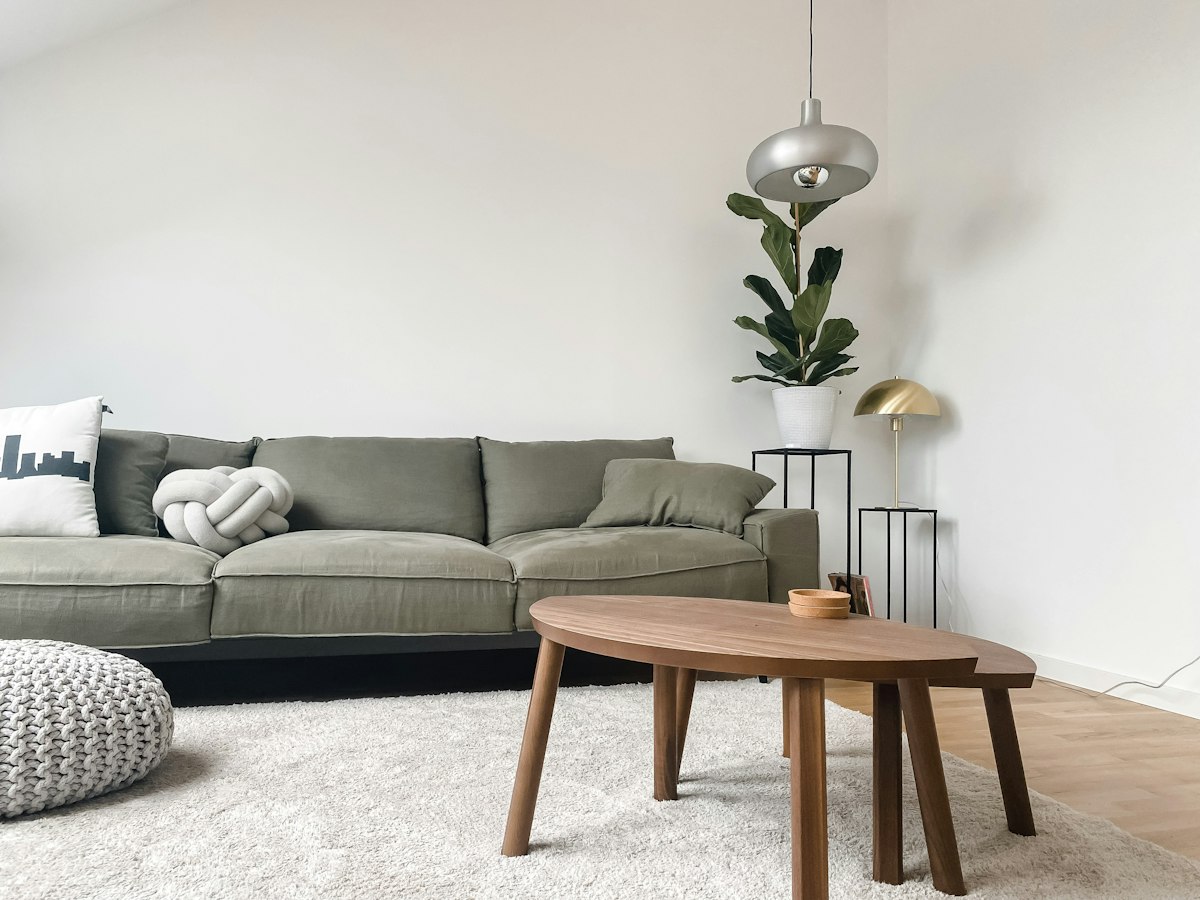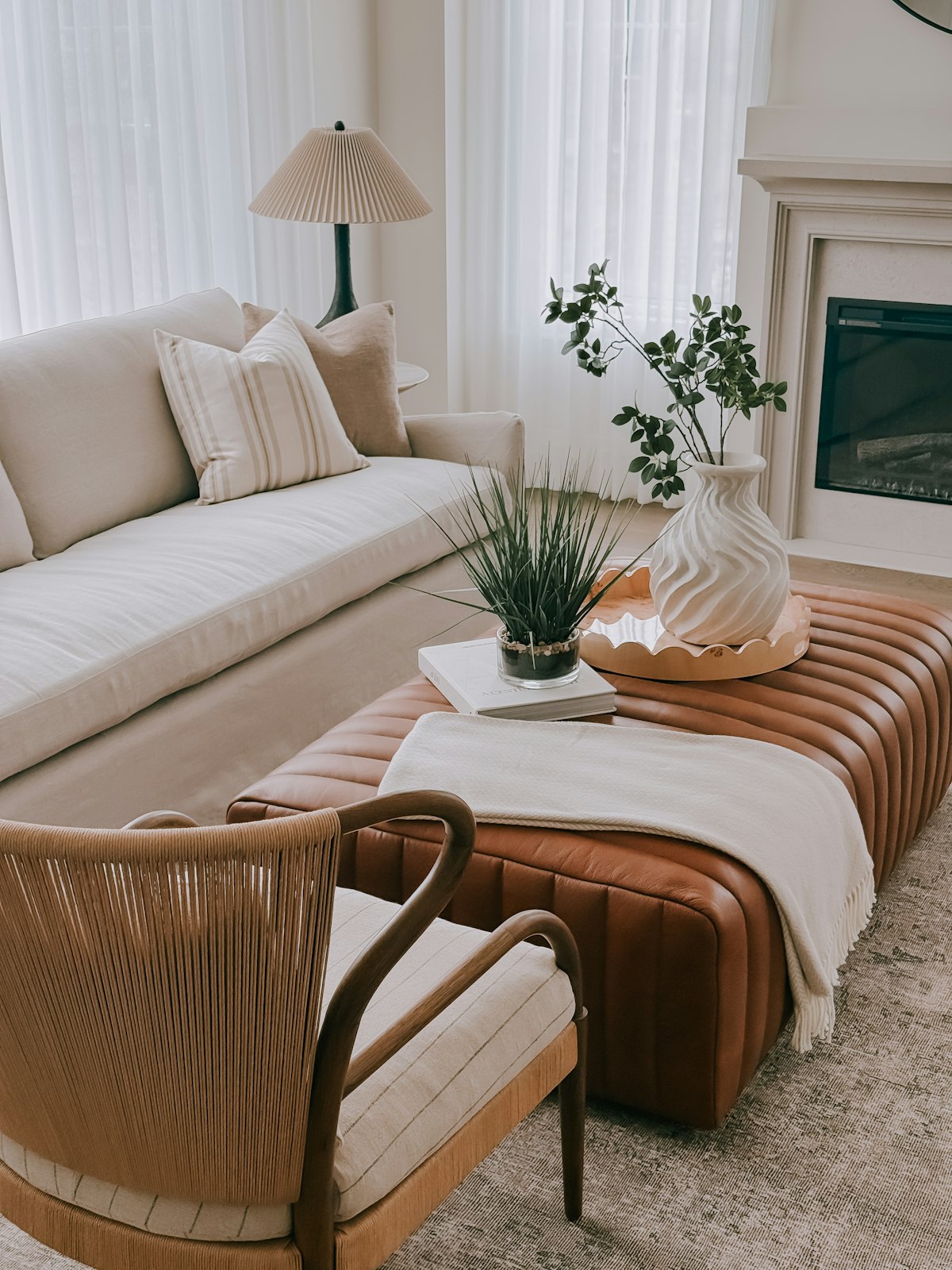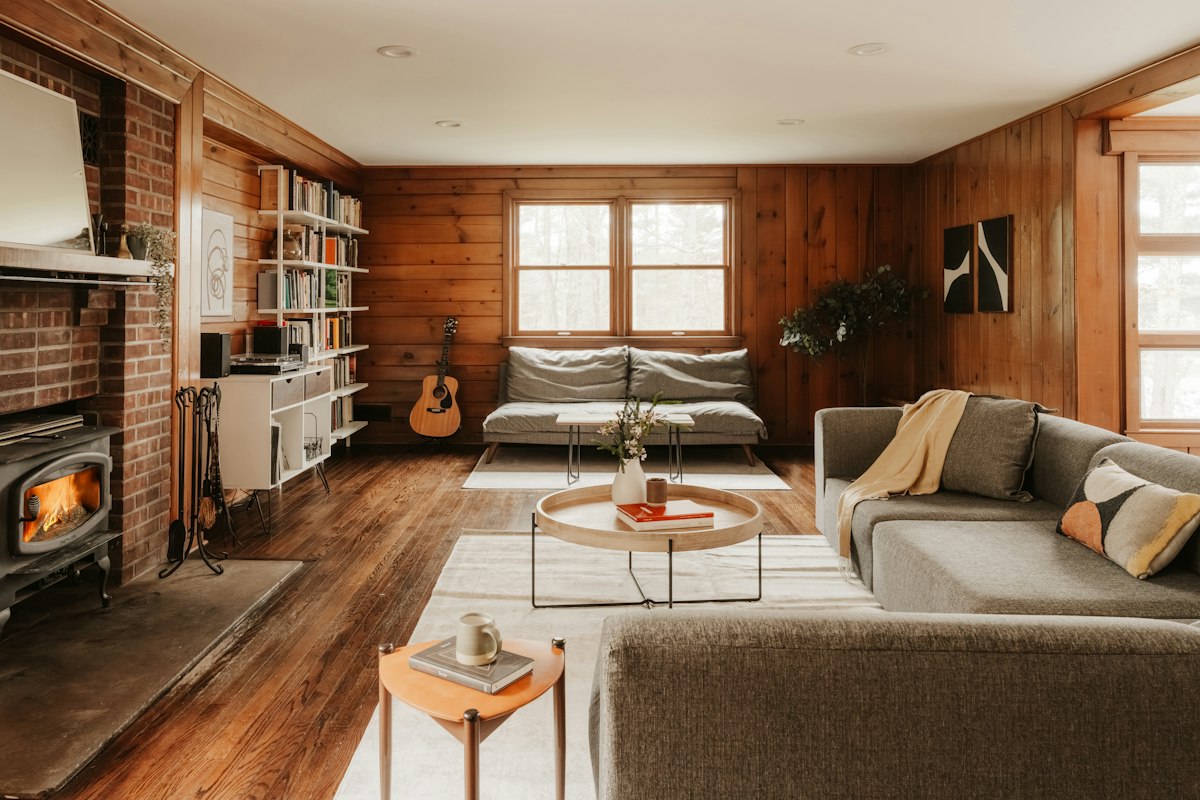
Identify which seat needs a reachable surface and measure the available gap. A side table should hold a useful object without forcing people to turn sideways through the room. Check the height against the sofa arm and cushion rather than the overall sofa back.
Consider a stable nesting or compact design if flexibility matters. Avoid a very light piece that tips during ordinary use. Look at the base footprint as well as the top because projecting legs can create a problem in a narrow route.
Match the care needs of the finish to its likely use for drinks or a lamp. Keep cords positioned safely if lighting is involved. A modest table that works well beside the main seat adds more value than a decorative one nobody can comfortably reach.
Decide what the table must hold before selecting its shape. A lamp and a drink need more stable useful surface than a small decorative object alone. Check whether the person in the nearby seat can reach the table without leaning awkwardly or moving a cushion. A narrow gap does not automatically call for the smallest possible top. The aim is a surface that supports a real task while leaving the route around the seating comfortable for everyone using the room.
Measure the base as well as the top. Projecting legs can occupy the space where feet pass, while a solid pedestal may create a different obstruction. Compare the proposal with the seat cushion, arm and any adjacent door. A table that fits beside a sofa when the room is empty may become inconvenient when someone sits down or reclines. Marking the footprint helps reveal these relationships before the purchase is reduced to a choice of finish.
Think about stability during ordinary use. A light nesting table can be flexible, but each piece still needs to sit securely in its intended position. A table that slides beneath furniture must be compatible with the available gap and should not force its top into an awkward height. Follow the manufacturer's guidance for any moving parts. Flexibility is valuable only when the furniture can be used confidently, rather than requiring continual careful balancing of everyday objects.
If the table will support a lamp, consider power and the amount of surface the lamp base occupies. A decorative shade can project into a route even when the base fits. Keep the lead away from areas where it may be crushed or crossed during movement. Use an alternative position or suitable professional advice for permanent electrical changes. A good side table should not solve the need for a reachable surface by introducing a new cable problem beside the sofa.
Choose a finish that suits likely spills, cleaning and handling. Ask for care guidance for the exact product and avoid assuming that all timber or stone look surfaces tolerate the same treatment. Keep enough clear space for its main task after styling. Review the table after using the seat for a few evenings. If it is repeatedly moved or remains beyond comfortable reach, a slightly different shape or position may provide more benefit than adding another small piece nearby.
Measure your own room and check furniture, fixing and care instructions before buying. Have heavy wall mounted items and permanent electrical changes assessed by competent professionals where the installation requires it.