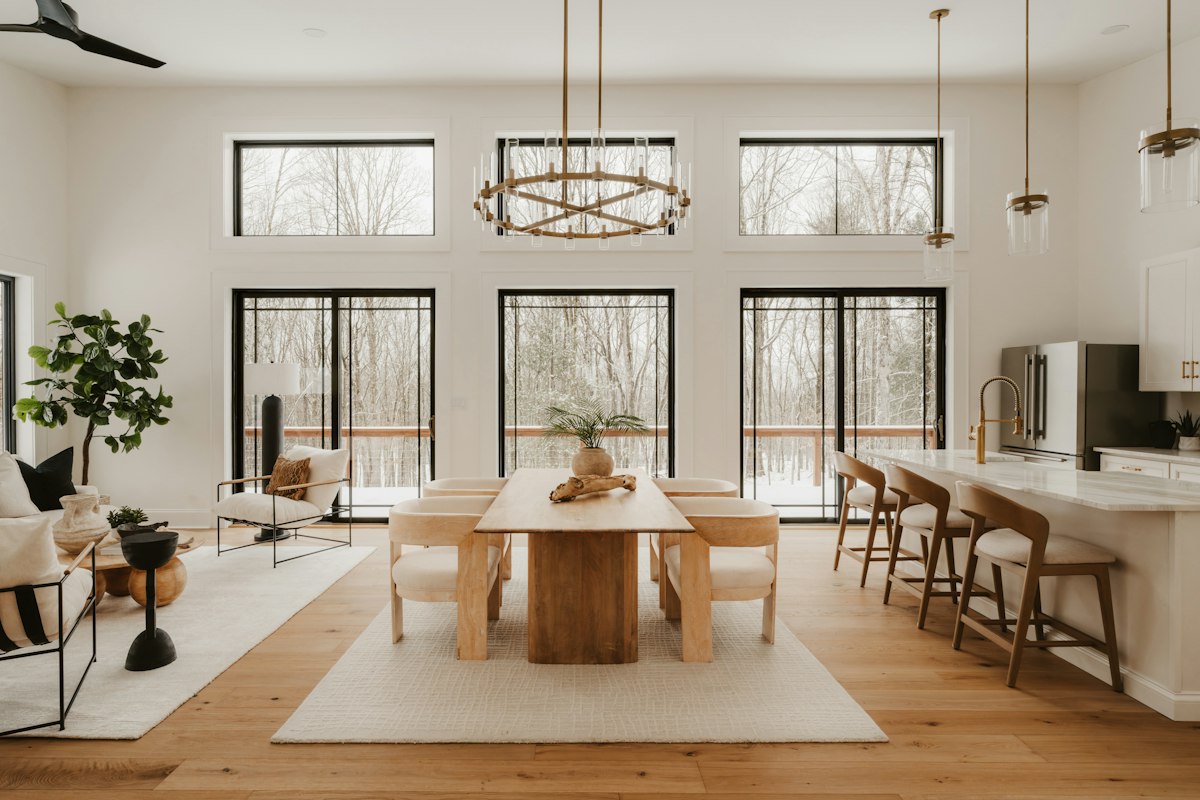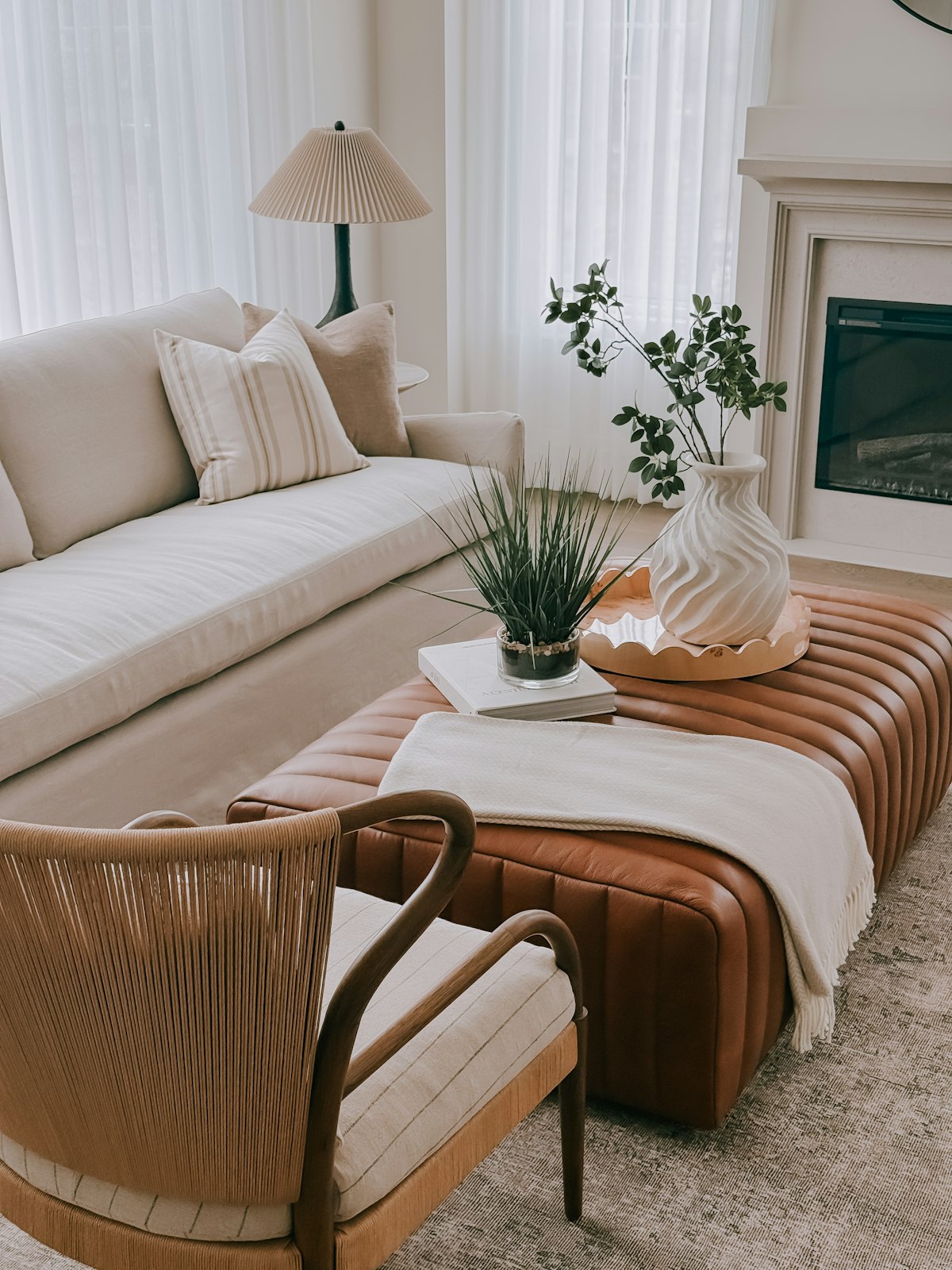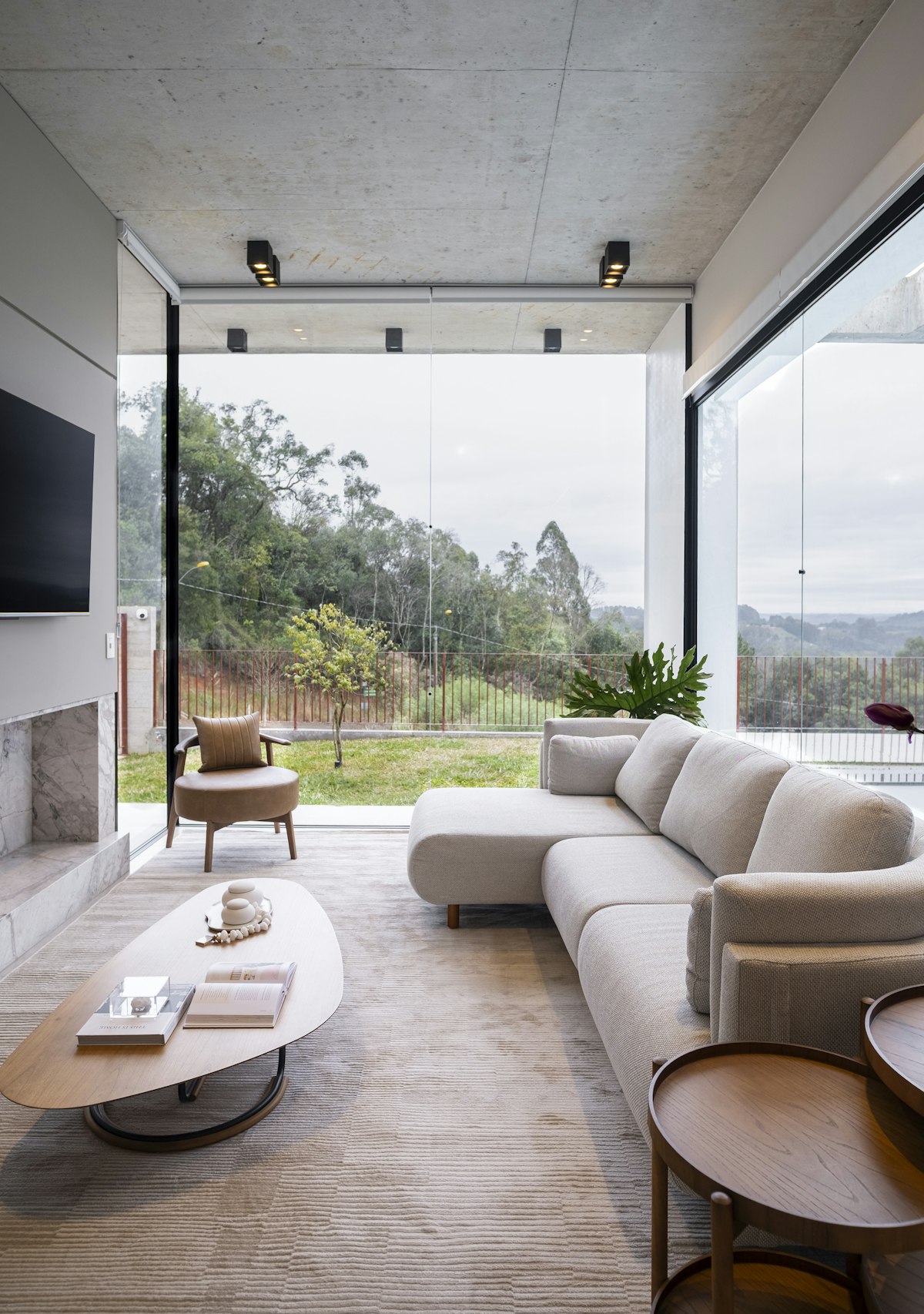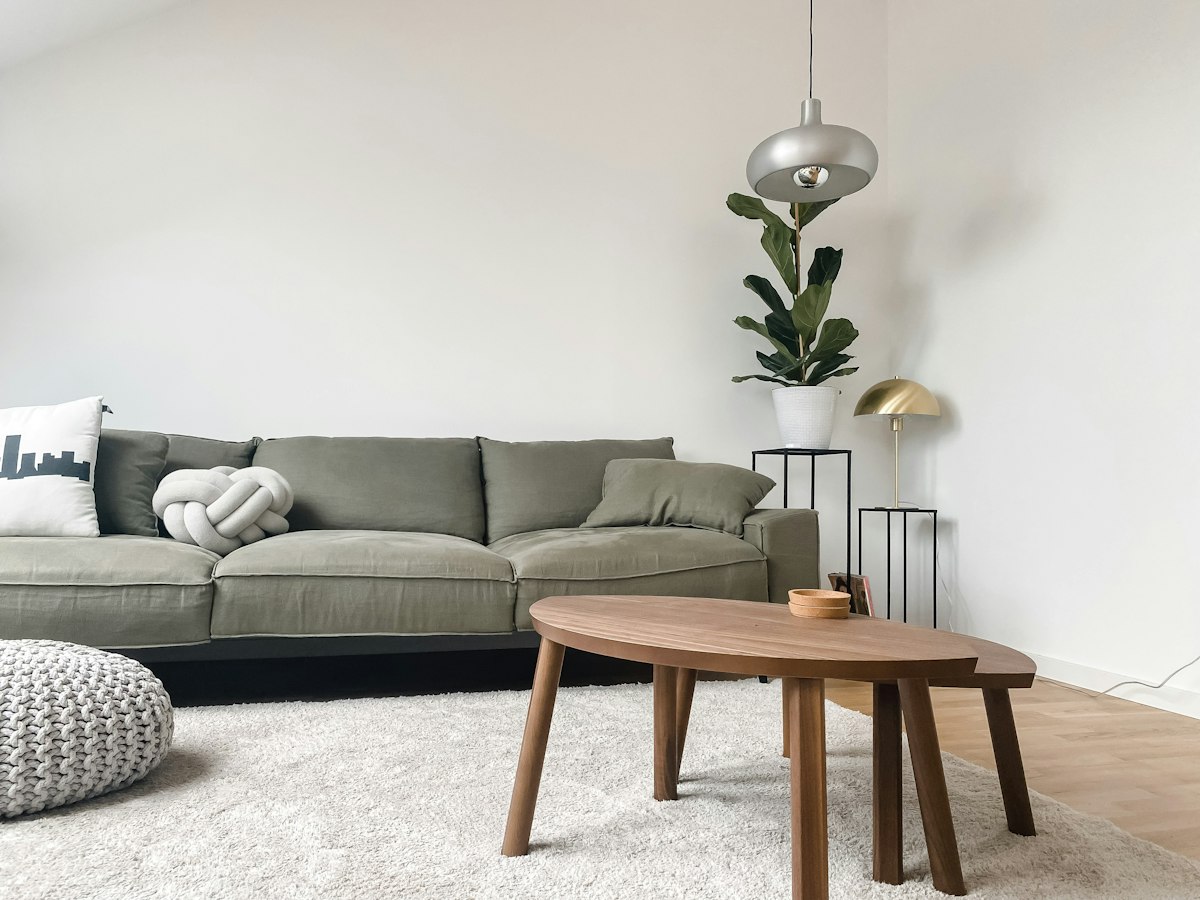
Start by removing pieces that duplicate the same function. One useful side table may serve better than several decorative surfaces. Check the routes to doors and windows before adding storage along every available wall.
Choose furniture dimensions for the room rather than automatically choosing miniature versions. A well proportioned sofa with visible floor around it can feel calmer than many small seats. Keep the palette connected and let one material or colour provide emphasis.
Use closed storage for objects that create visual noise and open space for things you enjoy seeing. Test changes with existing furniture first. The goal is a room that supports daily life without requiring constant rearranging to move comfortably.
Give the room a realistic priority before trying to fit every possible function into it. A small space may need comfortable daily seating, useful storage and a clear route more than an occasional extra chair. Identify which pieces earn their floor area through frequent use. This does not mean removing all character. It means allowing a meaningful object or a good seat to be appreciated rather than surrounding it with furniture that repeatedly gets in the way.
Look at visual bulk as well as measurements. Two pieces of the same width can feel different if one has a tall solid back and the other allows more light around it. Compare the sofa arms, storage fronts and table bases together. Do not assume that every item should be tiny. A few useful pieces with calm relationships can feel more spacious than numerous miniature objects scattered through the same floor area without a clear arrangement.
Test the circulation in ordinary situations. Imagine carrying a tray, reaching the curtain or opening the cabinet while someone else is seated. A route that works in an empty room can become uncomfortable once a person uses the furniture. Mark proposed footprints and move existing pieces before placing an order. A small adjustment to the sofa or a change in table shape may resolve the difficulty without requiring the room to lose its main function.
Use storage to reduce the effort of everyday tidying. Closed space for remotes, papers and other small objects can make the room feel calmer, but the storage must be reachable and easy to use. Avoid adding a deep cabinet that solves clutter while narrowing the only passage. Some occasional belongings may have a better home elsewhere. A modest room does not have to contain every reserve item associated with the entire household.
Keep decorative decisions connected to the larger surfaces. Related colours and a limited number of strongly contrasting materials can help the room read as a whole. Leave useful empty space around the furniture instead of treating every corner as an unfinished task. After trying the arrangement, notice which items people move aside during normal use. That is practical evidence about what should change. A less crowded room is one that requires fewer daily negotiations to live in comfortably.
Measure your own room and check furniture, fixing and care instructions before buying. Have heavy wall mounted items and permanent electrical changes assessed by competent professionals where the installation requires it.