Read the product guidance for the exact surface, load and room conditions before using an adhesive hook. Smooth appearance does not guarantee compatibility with paint, wallpaper or tile. Test carefully where permitted and avoid hanging valuable or dangerous objects over people.
Clean and prepare the surface as directed and observe the specified waiting period before loading. Do not exceed the rating or use several hooks to improvise support for an unsuitable object. Humidity and temperature may affect performance depending on the product.
Follow the removal method rather than pulling suddenly at the painted surface. Keep the package instructions for later reference. Reversible accessories can be useful, but they still require a suitable surface and a sensible judgment about what they are being asked to hold.
Begin with the object and the consequence of it falling rather than the appeal of a reversible fixing. A light everyday accessory is different from a heavy frame, fragile glass or something positioned above a person. Read the permitted uses for the exact product. An adhesive hook should not be asked to serve as improvised structural support.
Identify the surface under the adhesive, including its coating and condition. Smooth paint, wallpaper and glazed tile may look equally flat but behave differently. Freshly decorated or fragile surfaces can have restrictions. Follow both the adhesive product guidance and the surface supplier advice rather than assuming the lack of visible texture makes a location suitable.
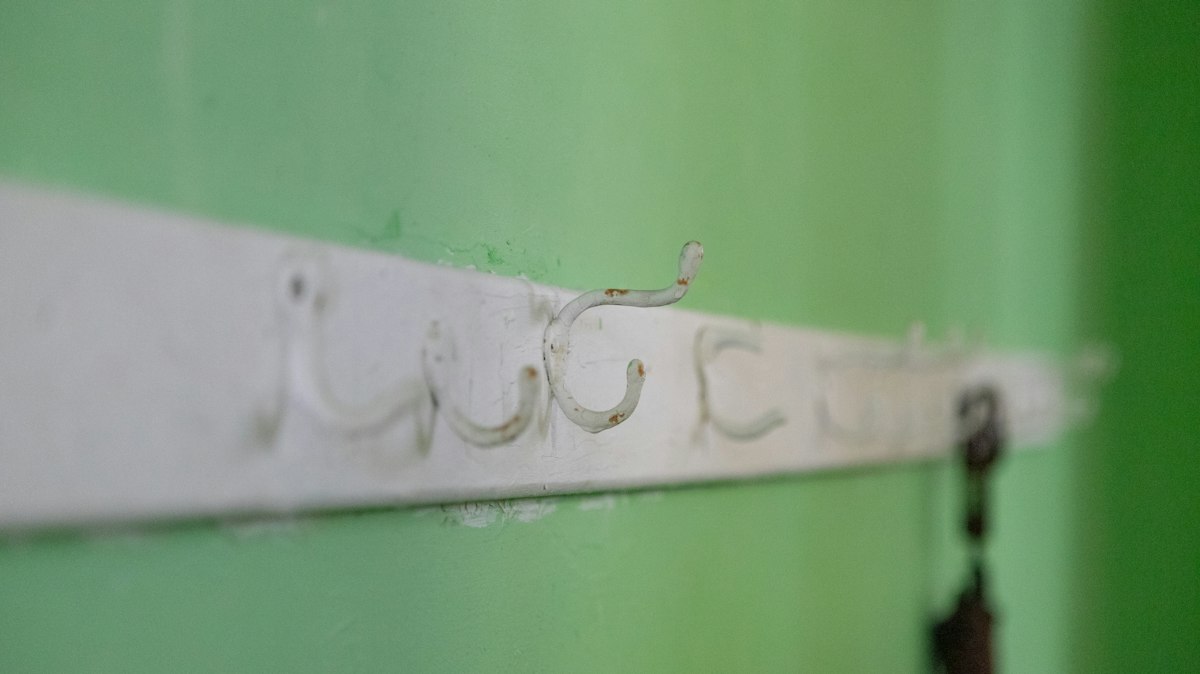
Check the stated load together with any limits on direction, temperature and moisture. A rating does not automatically apply to every room or every way of pulling on the hook. A towel repeatedly tugged from a hook can create a different action from a static display. Explain the intended use to the supplier when the published guidance leaves uncertainty.
Prepare and wait exactly as directed for the compatible surface. Loading a hook before the specified waiting period can undermine the intended bond. Do not add another layer of adhesive or combine several unsuitable products in an attempt to increase capacity. A small accessory remains a product with specific instructions rather than an exception to them.
Choose the location with normal contact and movement in mind. A hook behind a door may be struck repeatedly, while one near a crowded route may be knocked by clothing or bags. Keep the supported object from catching on nearby furniture. A suitable bond does not make a poorly chosen position convenient or reliable.
Keep the removal instructions so the fixing can be taken off using the intended method. Sudden pulling can damage a finish even when the product is described as removable. Test carefully where the instructions recommend it and do not promise a landlord or other owner that a reversible accessory is guaranteed to leave no mark.
Inspect the accessory during ordinary use and remove the load if the adhesive or surface begins to separate. Consider a different appropriately installed fixing when the task exceeds the product scope. Reversible changes are useful when their limits are understood, and a more suitable solution can prevent damage to both the object and the wall.
Always use the guidance for the exact product and finish in your home. Seek a qualified assessment before disturbing uncertain old materials, and do not treat general care advice as a substitute for diagnosing damage.