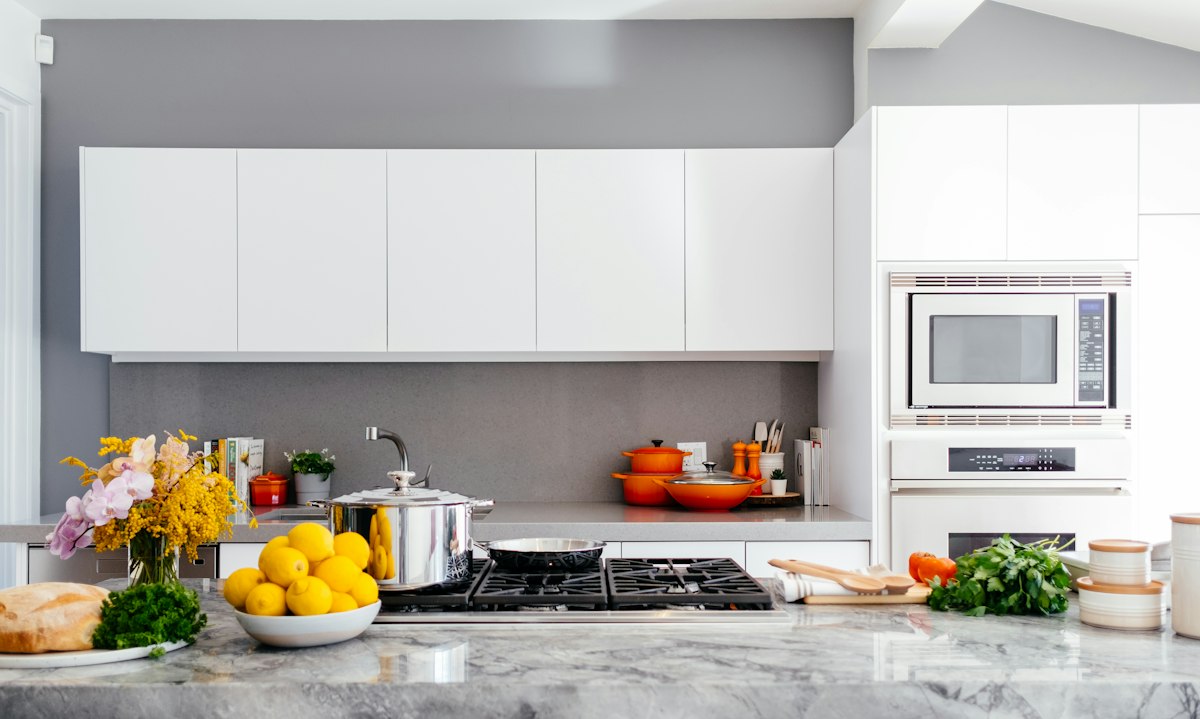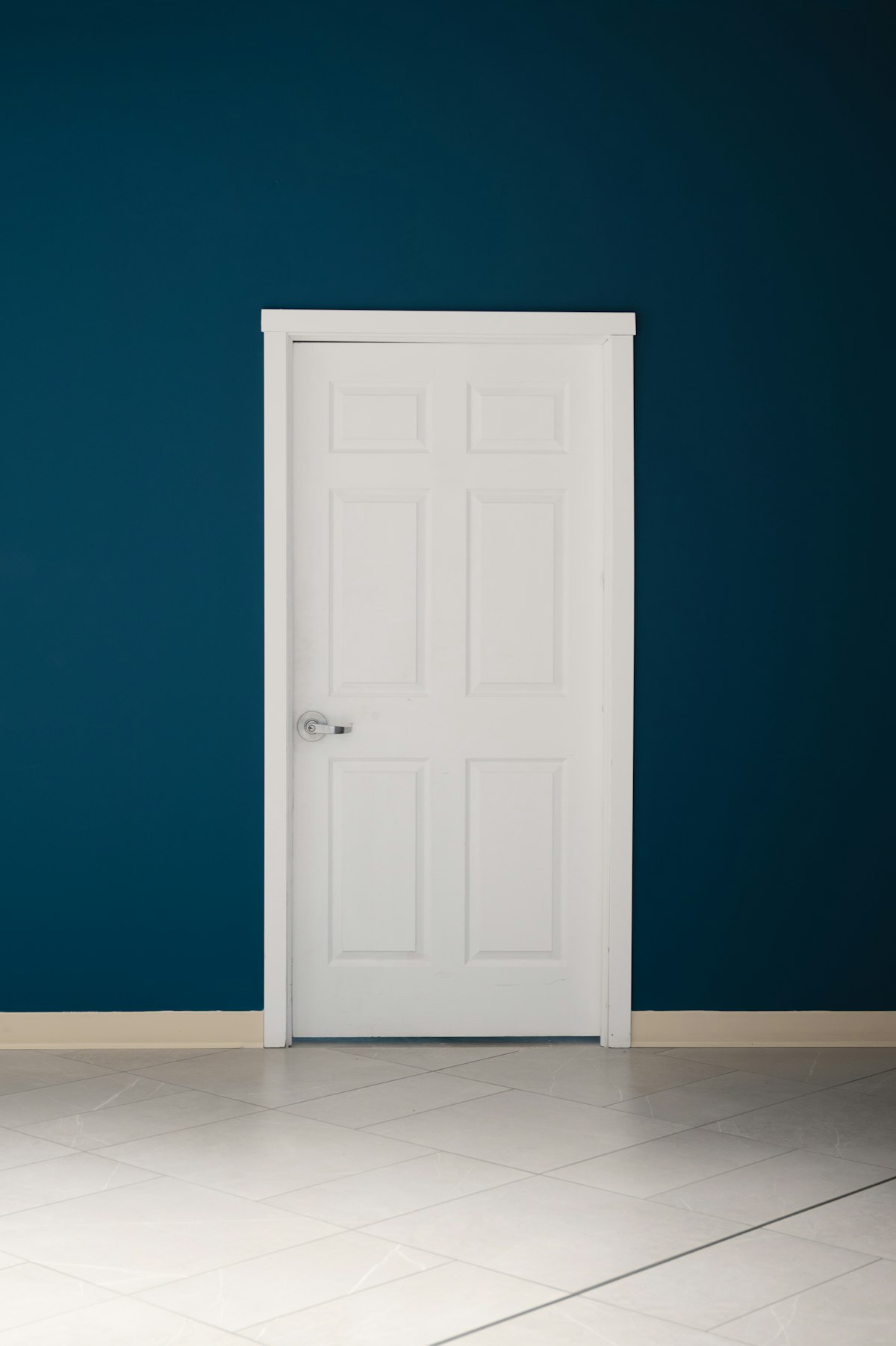
Set the skirting profile against the room proportions, doors and existing trim. A larger decorative section can change the character of a simple room, while a restrained profile may connect mixed elements. Compare physical samples before ordering a full run.
Check material suitability and the condition of the wall and floor junction. Ask the installer how corners, uneven surfaces and door casings will be resolved. Include preparation and finishing in the quote so a low material price does not hide the real cost.
Confirm the painting sequence and protect adjacent floor finishes during fitting. Keep the profile and paint references for future repair. A consistent small detail can help a renovation feel complete without requiring a dramatic decorative treatment.
Look at the room as a connected set of junctions before choosing a profile. Skirting meets door casings, fitted cupboards, fireplaces and changes in floor finish. A section that looks attractive on its own may project awkwardly beside retained trim. Compare sample pieces at those real locations rather than judging the profile only at a supplier counter. A labelled sample kept beside the doorway gives the installer a clear reference on the day of fitting.
Decide how much architectural character the new trim should introduce. A simple room can gain definition from a clear consistent line, while a highly decorative profile may compete with existing details. Use the room proportions and retained features as a guide. Matching the general visual weight can be more convincing than choosing a near copy with noticeably different edges.
Check the suitability of the material for the location. Areas exposed to damp cleaning or occasional splashing need particular care at edges and joints. Ask the supplier about preparation and coating of cut sections rather than assuming the factory finish protects everything. Do not use new trim to conceal an unresolved damp junction or damaged wall base.
Agree how the installer will handle uneven walls and floors. A narrow gap, a scribed edge and a joint between sections can all affect the finished appearance. Ask to see the proposed detail before the full run is fitted. Include making good and decoration in the scope so these necessary tasks do not become unexpected additions.
Compare the chosen paint or finish beside the doors and wall colour in normal light. A strong contrast can emphasize the room outline, while a related tone can make the edge quieter. Keep sheen as well as colour in the decision. A reflective coating may draw attention to fixing marks or joints that need more careful preparation.
Plan the order of fitting and decorating around the floor installation. Protect retained surfaces and respect any movement or access requirements of the adjoining materials. Keep a short labelled offcut and finish reference after completion. These small records make a future repair around a new doorway or cabinet much easier to match consistently.
Always use the guidance for the exact product and finish in your home. Seek a qualified assessment before disturbing uncertain old materials, and do not treat general care advice as a substitute for diagnosing damage.