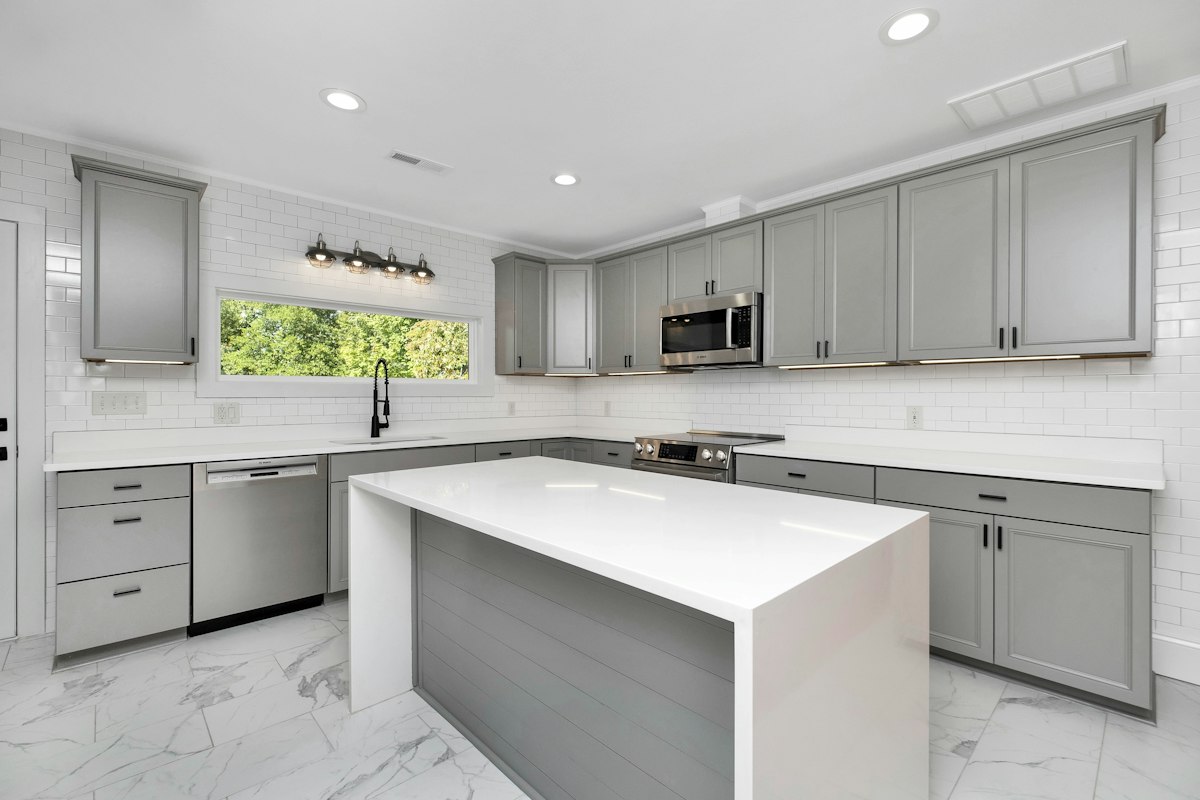
Paint sheen affects reflections, visible imperfections and the way a surface can be cleaned. Compare the exact product information rather than assuming all matte or satin paints behave alike. The right choice depends on the substrate, room and expected wear.
View a sample under the room lighting, especially where daylight crosses a wall at an angle. A reflective finish may emphasize uneven preparation. Ask the supplier about priming, compatibility with existing coatings and the required waiting time before washing.
Keep the colour, sheen and product reference together for future maintenance. Follow preparation and application guidance carefully. A well chosen paint system supports the practical use of the surface as well as its appearance on the day it is finished.
Begin by deciding what the surface needs to withstand. A quiet bedroom wall, a hallway touched by bags and a kitchen cabinet door receive very different treatment. A decorative preference is still important, but it should be considered alongside the product suitability and cleaning instructions. Compare finishes intended for the actual surface you are painting.
Examine the surface from the direction of its strongest light. A wall beside a broad window may reveal bumps and patch repairs that are almost invisible from the doorway. Ask whether further preparation is worthwhile before choosing the sheen. A flatter appearance may make variation less noticeable, but paint should not be used to excuse an unsound base.
Make a sample large enough to show reflected light, using the recommended preparation and application method. A single thin brush mark on an old glossy surface is not a reliable comparison. Allow it to dry as directed and look at it in daylight and under lamps. Compare both the colour and the way the finish reflects objects around it.
Check what washable means for the exact product. It may involve a specific curing period, cleaning method or limit on abrasive contact. A finish that tolerates gentle wiping is not necessarily suitable for repeated scrubbing with any household cleaner. Choose according to the maintenance you realistically expect, particularly around switches, handles and frequently touched corners.
Think about future repairs as well as the first coat. A local touchup can differ in texture or reflection even when the colour reference is correct. Ask the supplier about the recommended approach for small marks and retain product details. On a prominent wall, repainting to a natural boundary may give a more consistent result than repeatedly treating isolated spots.
Finally, compare the entire paint system rather than the finish coat alone. Primers, fillers and existing coatings need to work together on the substrate. Keep the approved method with your project notes and follow the conditions for application and drying. The most appropriate sheen is one part of a specification that suits the room and remains manageable in use.
Always use the guidance for the exact product and finish in your home. Seek a qualified assessment before disturbing uncertain old materials, and do not treat general care advice as a substitute for diagnosing damage.