Inspect the wall for loose coating, grease, cracks and signs of moisture before choosing a new colour. Preparation should address the condition that is actually present. Painting over an unresolved defect can make the room look finished briefly without improving the underlying surface.
Identify the existing coating and follow the new paint manufacturer guidance for cleaning, filling and priming. Do not sand or disturb suspect old coatings without appropriate assessment. Use suitable protection and ventilation for the products and work involved.
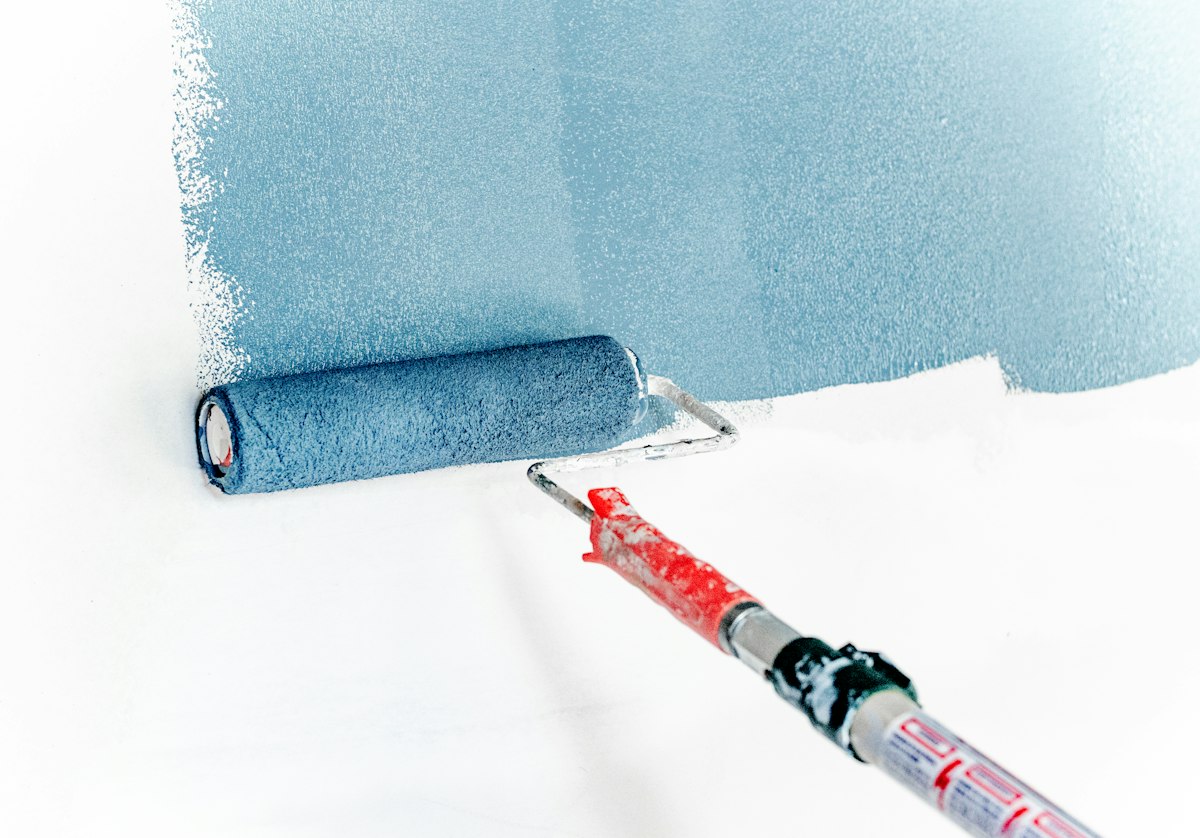
Let repairs and primers reach the condition specified before applying the finish. Test compatibility in a small area when recommended. Careful preparation may be less visible than a new colour, but it strongly affects the consistency and durability of the result.
Work across the room in a consistent order and note what each area needs. A sound wall with ordinary marks is different from a wall with loose paint or repeated staining. Record those differences before buying materials. This prevents one generic preparation method from being applied to surfaces that need separate treatment or a professional investigation.
Treat unexplained moisture as a separate problem rather than a decorating task. Ask a competent person to identify the cause and confirm what repair and drying are needed. Painting too soon can obscure useful evidence without solving the defect. Keep photographs of recurring stains so their pattern can be discussed before the surface is covered again.
Check whether old coatings or materials need assessment before any disturbance. The age of a property or an attractive smooth finish cannot establish that sanding is harmless. Explain the intended preparation to an appropriate specialist where composition is uncertain. Safe assessment should shape the method, sequence and cost rather than being considered after dust has been created.
Follow the chosen coating guidance for removing ordinary dirt and grease. Pay particular attention to areas around handles, cooking surfaces and switches, while protecting electrical equipment appropriately. Avoid combining cleaners or trying an aggressive method on the whole wall. Where a test is recommended, use a discreet area and assess the result before continuing.
Plan repairs so the finished texture will sit naturally beside the surrounding wall. A filled patch can remain visible through differences in smoothness or absorption even when its outline looks level. Ask the paint supplier which preparation and primer are appropriate. Significant movement or recurring cracks deserve diagnosis instead of repeated cosmetic filling.
Protect retained floors and furnishings and allow realistic time between preparation stages. Follow the product conditions for ventilation, temperature and drying rather than a timetable borrowed from another project. Inspect the prepared surface under normal room light before applying the finish. A deliberate pause at this point is easier than correcting visible defects after the room is complete.
Always use the guidance for the exact product and finish in your home. Seek a qualified assessment before disturbing uncertain old materials, and do not treat general care advice as a substitute for diagnosing damage.