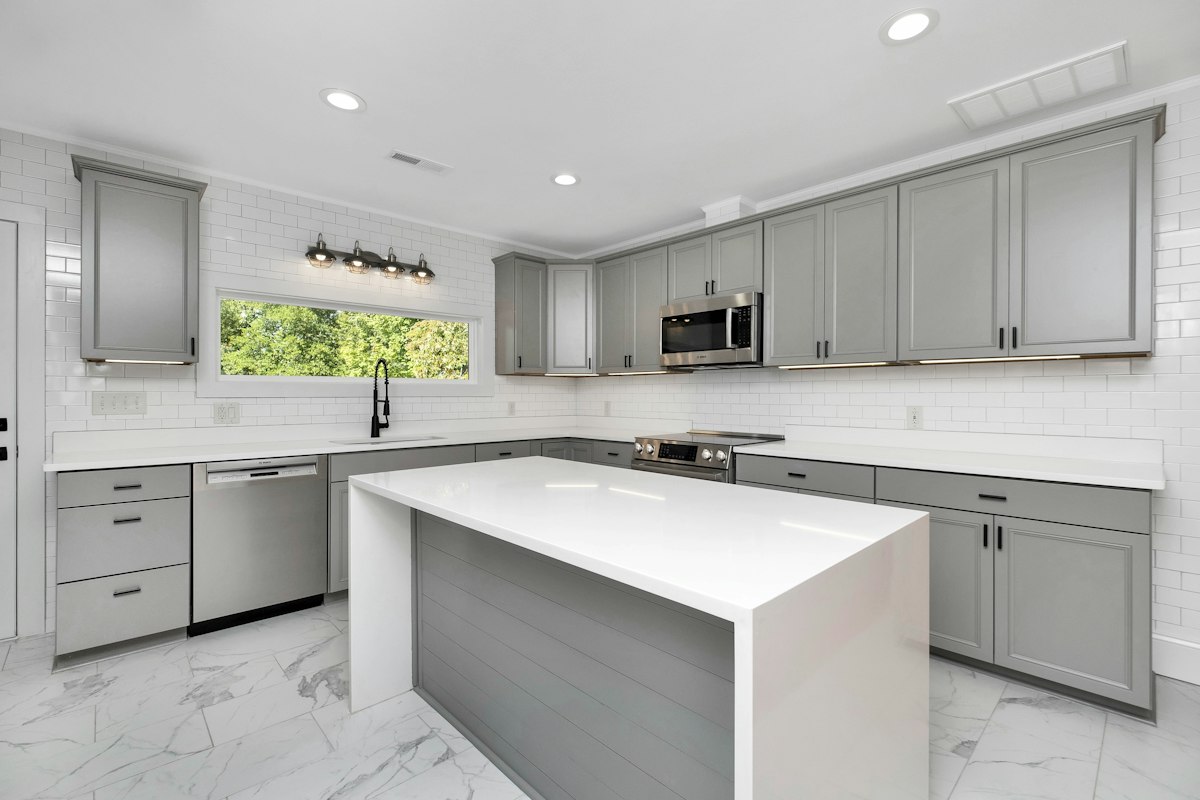
Begin by asking whether an existing element can be repaired or retained safely. Keeping a sound door or cabinet can avoid the material and disruption of replacement. Compare options by their likely usefulness and care needs rather than a single broad environmental claim.
Look for specific manufacturer information about sourcing, durability and applicable certifications. Check what a label actually covers instead of assuming it describes the whole product. Consider transport, installation waste and the possibility of replacing small components later.
Choose materials you expect to maintain and keep for a reasonable period. A fashionable finish that quickly becomes unsuitable may not serve the home well. Thoughtful specification connects resource use with practical longevity rather than relying only on a marketing description.
Begin with a clear account of why an element needs to change. Distinguish a genuine performance problem from a finish that no longer matches the current fashion. A sound component may be worth repairing or updating, while a failing one may not justify repeated cosmetic treatment. A useful decision considers condition, future use and the work required to keep it serviceable.
Look for environmental statements that describe a specific feature and scope. Ask what is certified, by whom and for which part of the product or supply chain. A label related to one material does not automatically describe the entire finished item. Keep the relevant documentation rather than relying on a broad green description repeated in sales copy.
Consider how the design affects the amount of material required. Standard sizes, sensible layouts and fewer unnecessary transitions can reduce complicated cuts and surplus. Ask the installer about quantities before ordering a large allowance. The aim is enough material for a dependable result, with a useful repair reserve where appropriate, rather than either avoidable shortages or excessive leftovers.
Compare the possibility of repairing or replacing individual components. A cabinet with identifiable hinges or a light fitting with supported replacement parts may remain useful when one small element wears out. Ask about actual availability instead of assuming repairability from the appearance. Keep product references so a future maintenance decision does not begin with an unidentified mechanism.
Choose a maintenance routine that the household can sustain. A delicate surface may be a poor fit if it repeatedly becomes damaged through ordinary use. Read care instructions and consider the products, effort and occasional specialist attention involved. Longevity is more plausible when the material suits daily habits rather than depending on exceptional care that rarely happens.
Think about the next change as well as the present installation. Ask whether an item can be removed, reused or repaired without destroying adjacent work, while respecting its fixing and safety requirements. Disposal and recycling options vary locally and by material. Verify actual routes rather than assuming every product carrying an environmental claim can enter an ordinary household recycling service.
Always use the guidance for the exact product and finish in your home. Seek a qualified assessment before disturbing uncertain old materials, and do not treat general care advice as a substitute for diagnosing damage.