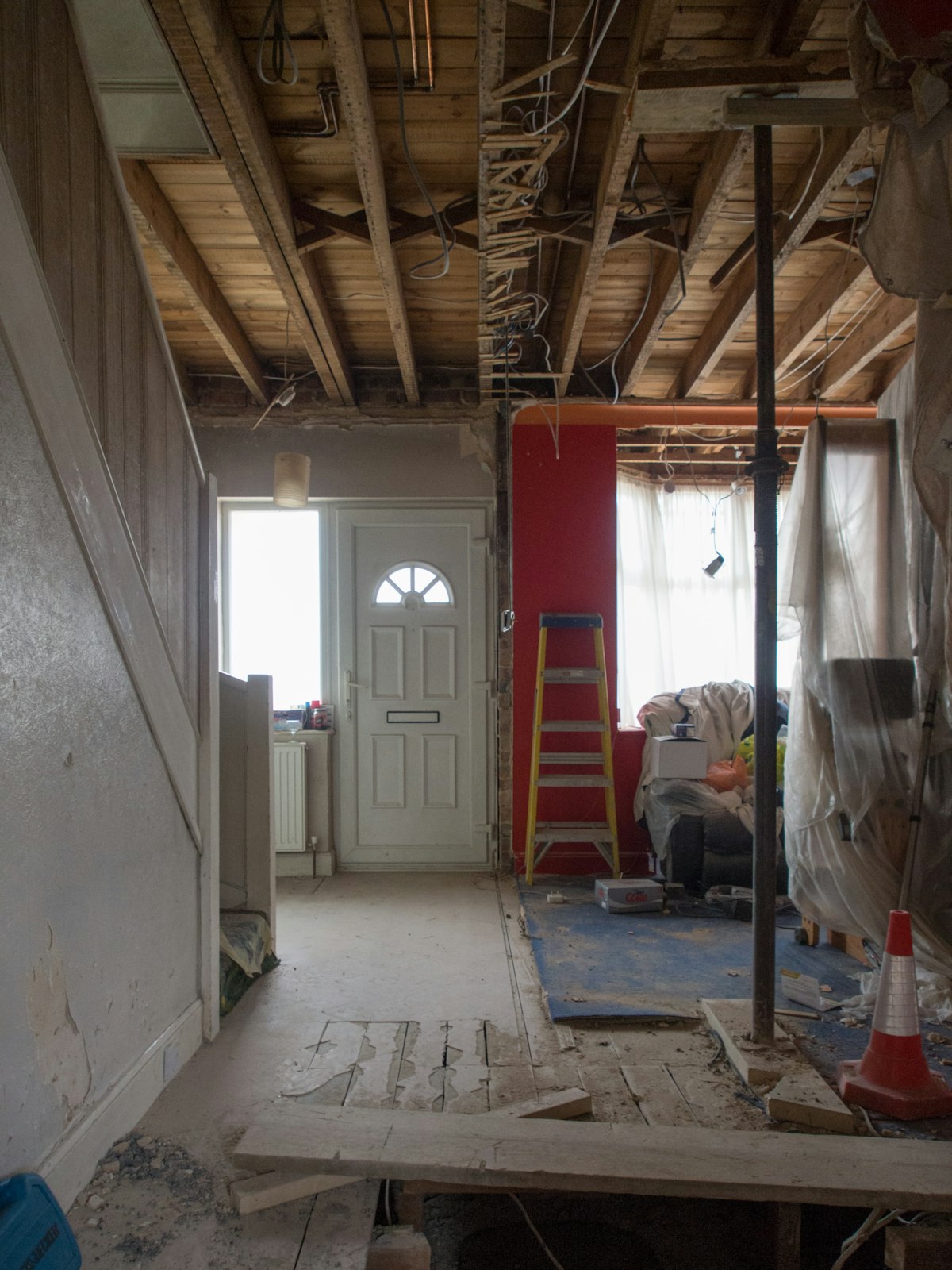
Spend first on the parts of a renovation that are difficult to reach later. Reliable preparation, sound substrates and appropriate installation support the decorative choices above them. A beautiful finish cannot compensate for a damp wall or unstable floor.
Save by simplifying the design before reducing essential workmanship. Standard sizes, fewer changes of material and retained service positions can remove complexity. Compare the cost of a custom detail with the daily benefit it will provide in your particular room.
Choose one or two features that matter most to you and let quieter materials support them. Request alternatives before the order is placed. Small decisions made early usually preserve more choice than emergency cuts after the budget is already committed.
Compare spending choices through the benefit they provide over an ordinary week. Better task lighting may improve every evening meal, while a decorative feature might be noticed mainly from the doorway. Neither is automatically wrong, but identifying the frequency and importance of use helps direct limited funds. Ask whether a simpler alternative would deliver the same practical improvement without changing the overall intention of the room.
Understand which savings create further costs. A very cheap tile can require a complicated layout or preparation that erases the material saving. A standard cabinet may be economical until several custom fillers and alterations are needed around it. Ask for the complete installed effect of a substitution, including adjoining trims and labour, rather than comparing products only by their unit prices.
Protect spending on investigation and correct preparation where they are needed. An attractive surface applied to an unsuitable base can lead to early replacement and another period of disruption. Have the contractor distinguish essential work from optional refinement. This is particularly valuable when a hidden condition appears and the budget must be adjusted without losing the reliability of the finished installation.
Use restraint to make selected premium features feel intentional. A distinctive worktop can be supported by simple cabinet fronts, while a good timber table may be more useful than elaborate fitted decoration. Choose the feature because you value it rather than because a showroom pairs it with several other upgrades. Test the whole palette so a single expensive object does not force a chain of purchases.
Decide what can be upgraded later without reopening completed work. Movable furniture, accessories and some decorative fittings may offer flexibility, while concealed services and built in dimensions are harder to revisit. Record deferred items so they remain choices rather than unfinished obligations. Spending well means paying for the things that support the home you need, with enough clarity to resist additions that offer little lasting benefit.
Try comparing two complete room proposals rather than a collection of isolated upgrades. A simpler cabinet choice may allow better lighting and a more useful floor, producing a stronger overall result. The value of each saving becomes clearer when you can see what the released budget achieves elsewhere.
Use these ideas to prepare a brief for your own property. Confirm measurements on site and ask appropriately qualified local professionals about approvals, technical design and work that requires specialist competence.