Decide which rooms must remain usable and whether that is realistic for the planned work. A functioning bathroom, safe sleeping space and reliable access are basic requirements. Ask the contractor when noise, dust or service interruptions will make staying elsewhere sensible.
Create a clean zone separated from the work area and move everyday belongings there before demolition. Set up temporary food preparation only where it can be used safely. Keep medicines, documents and essential chargers together so they remain easy to find.
Agree daily working hours and how unexpected interruptions will be communicated. Do not enter active work areas to retrieve forgotten items. Review the arrangement as the project changes, particularly when hazardous material work or major service alterations are involved.
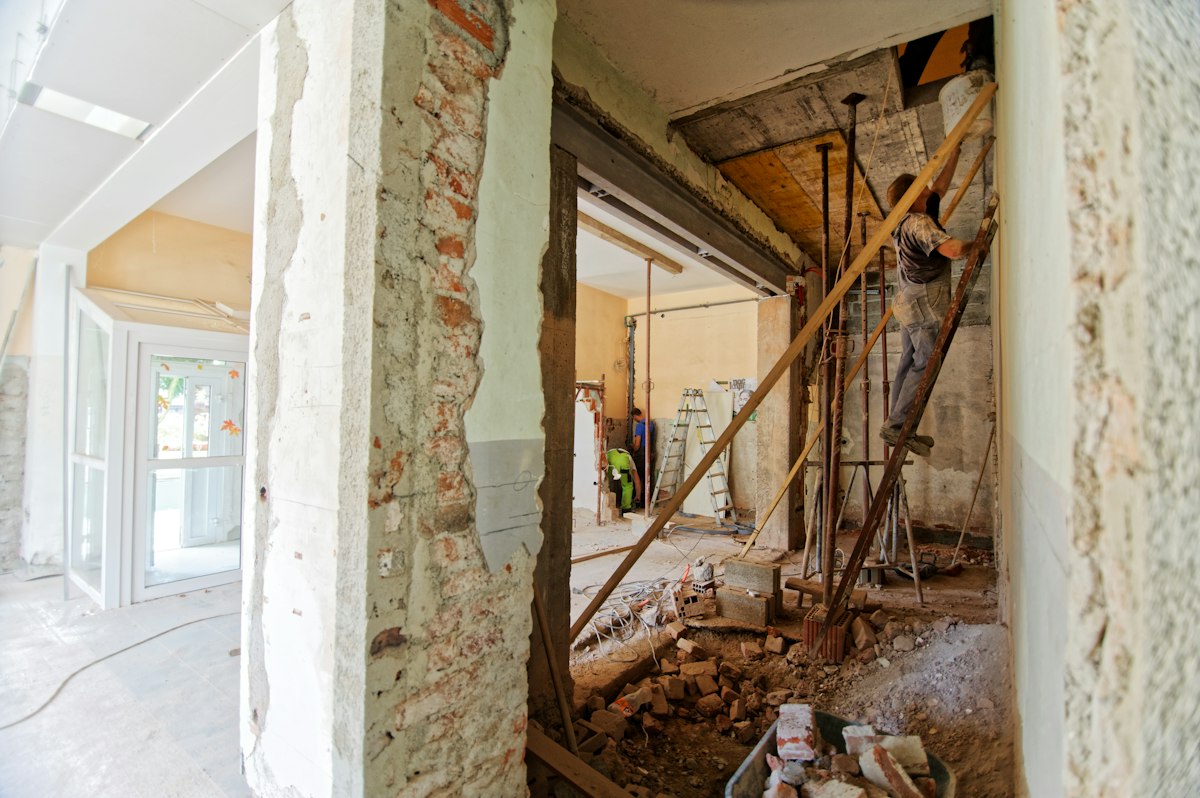
Set realistic expectations for the hours when the home will feel like a construction site. Noise, dust control measures and temporary barriers can affect work, meals and rest even when the project occupies only one room. Discuss the heaviest stages with the contractor and identify periods when leaving the property is the more practical choice. Staying at home should be a planned arrangement rather than an assumption built into the budget.
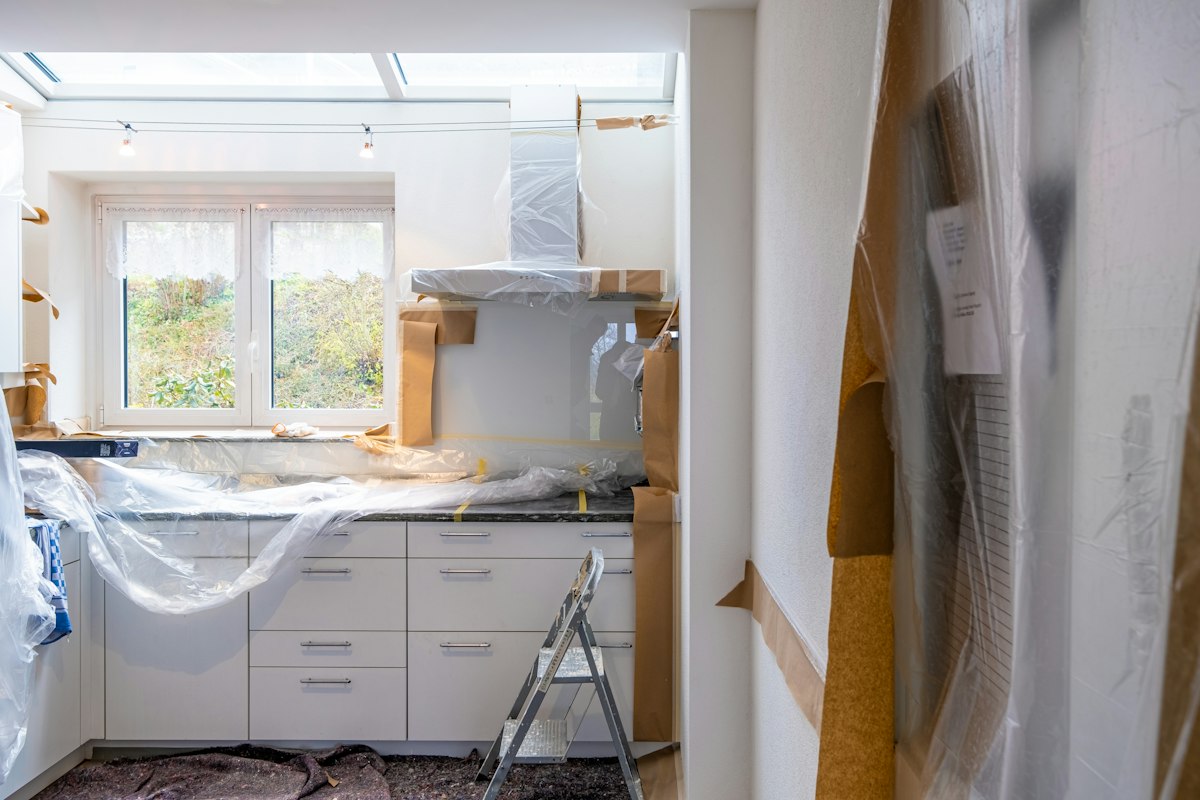
Prepare the clean area before the work starts and keep it separate from storage for construction materials. Move daily clothes, food, personal documents and items needed for remote work into accessible positions. Do not rely on retrieving them through an active work area later. A simple temporary routine can reduce stress, particularly when the usual kitchen or route through the home is unavailable.
Ask how water, electricity and heating interruptions will be communicated. Some interruptions can be planned, while others may follow a discovery that requires the work to pause. Keep an agreed contact route and clarify who makes decisions if you are away. Consider the needs of anyone who depends on particular household equipment, obtaining appropriate professional advice where their circumstances make an interruption especially significant.
Keep children and pets outside the work area and do not treat barriers as a substitute for supervision. Review where contractors store tools and how the site will be secured overnight. Hazardous material work or significant structural and service work may require different occupancy arrangements. Follow the competent specialist advice rather than trying to preserve a temporary household setup at the expense of safe working conditions.
Evaluate the arrangement regularly instead of persisting with it because it worked during the first quiet week. A room that is usable during cabinet assembly may be unsuitable during demolition or coating application. Include temporary accommodation and travel in the practical calculation when appropriate. Planning how you will live through the work helps protect the household routine without rushing processes that the completed renovation depends on.
Keep a small set of essential belongings in one accessible place if the usual routine is interrupted. Keys, medication, important papers and basic chargers should not depend on entering the work zone. Update the arrangement when temporary storage begins to spread into the clean area and makes daily tasks awkward.
Use these ideas to prepare a brief for your own property. Confirm measurements on site and ask appropriately qualified local professionals about approvals, technical design and work that requires specialist competence.