Identify whether the furniture has an oiled, waxed, lacquered or other finish before choosing care products. Similar timber colours can have very different surface treatments. Use the manufacturer guidance or seek a suitable specialist assessment if the finish is unknown.
Wipe spills promptly and protect surfaces from hot or wet objects. Avoid aggressive scrubbing and unapproved polishes that may leave residue or damage the coating. Test an approved method discreetly before treating a large visible area.
Keep furniture away from unsuitable heat or moisture conditions and inspect joints or fixings periodically. Significant marks may need specialist repair rather than a stronger household product. Care based on the actual finish helps preserve both appearance and usefulness.
Look for the care information supplied with the furniture and identify both the timber construction and its surface treatment. A solid top, a veneered panel and a coated decorative surface may look similar while needing different repair approaches. If the finish is uncertain, begin with professional advice rather than using a product intended for another piece in the home.
Remove ordinary loose dust with the gentle method the manufacturer recommends. Avoid rubbing grit across the surface or assuming a textured cloth is harmless to every coating. Keep cleaning equipment suitable for the finish and use only approved moisture levels and products. A routine that feels mild in the hand can still alter a delicate or worn surface.
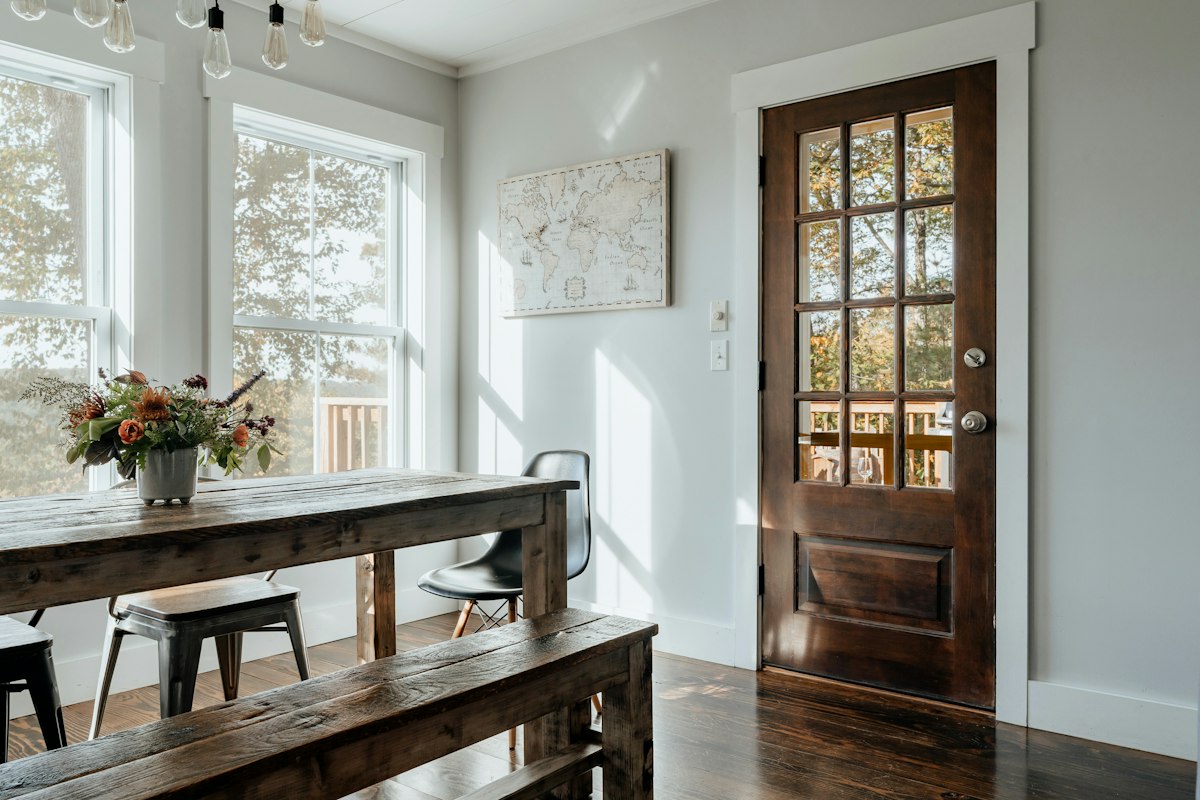
Consider the objects that remain on the furniture between cleanups. Plant pots, lamps and decorative containers can conceal moisture, abrasion or colour differences beneath them. Use compatible protective accessories and inspect the areas periodically. Make protection easy to maintain so it does not become another hidden source of trapped water or residue.
Respond to a mark by identifying its likely cause before selecting a treatment. A water related stain, a scratch and damaged coating are different problems. Stronger polishing does not necessarily address any of them appropriately. Photograph the issue and ask a suitable furniture professional when the material or original finish is not clear.
Check how the piece sits in the room. Unsuitable heat, prolonged moisture exposure and harsh light can affect materials in ways that ordinary surface cleaning cannot reverse. Follow the care guidance for positioning and protection. Do not assume a treatment applied to the top will compensate for conditions that are damaging the whole item.
For significant wear, compare a proper repair with living comfortably with minor age related marks. Restoration should suit the construction and preserve a finish you understand. Keep records of any treatment used so later care remains compatible. A thoughtful approach can retain a useful piece without repeatedly applying products that hide its condition only briefly.
Always use the guidance for the exact product and finish in your home. Seek a qualified assessment before disturbing uncertain old materials, and do not treat general care advice as a substitute for diagnosing damage.