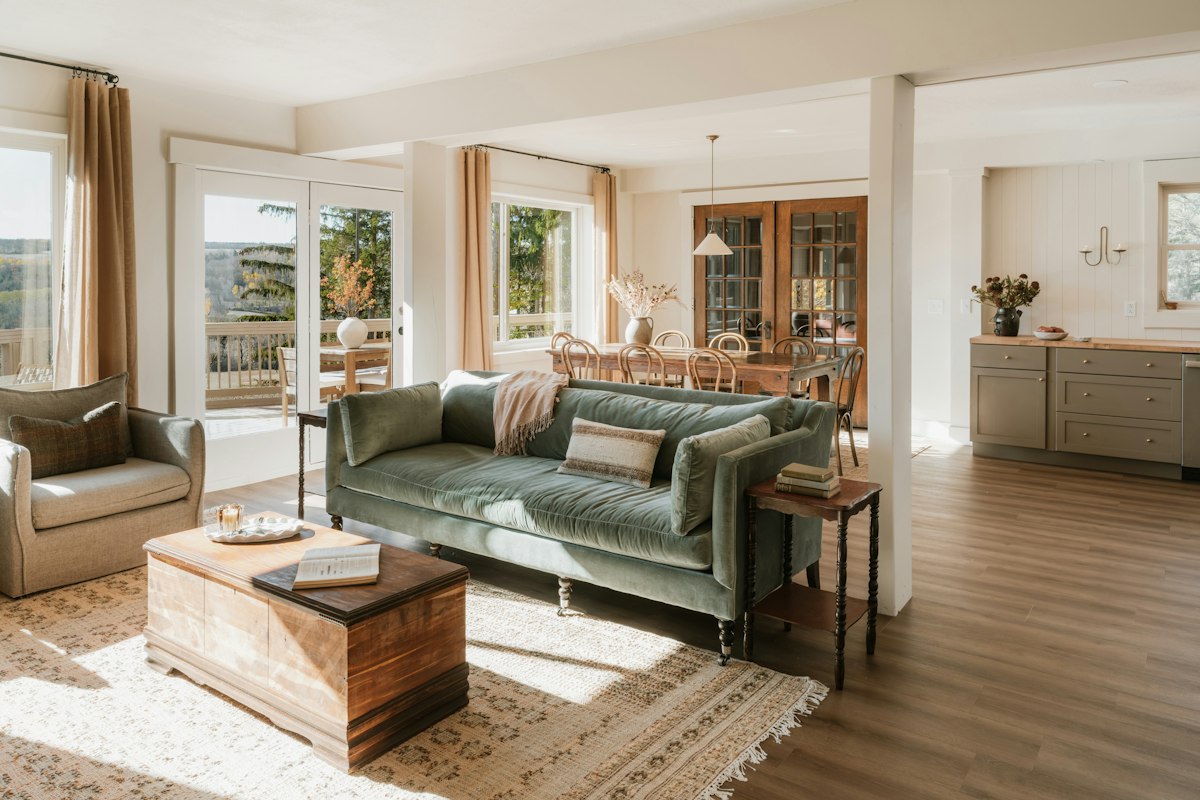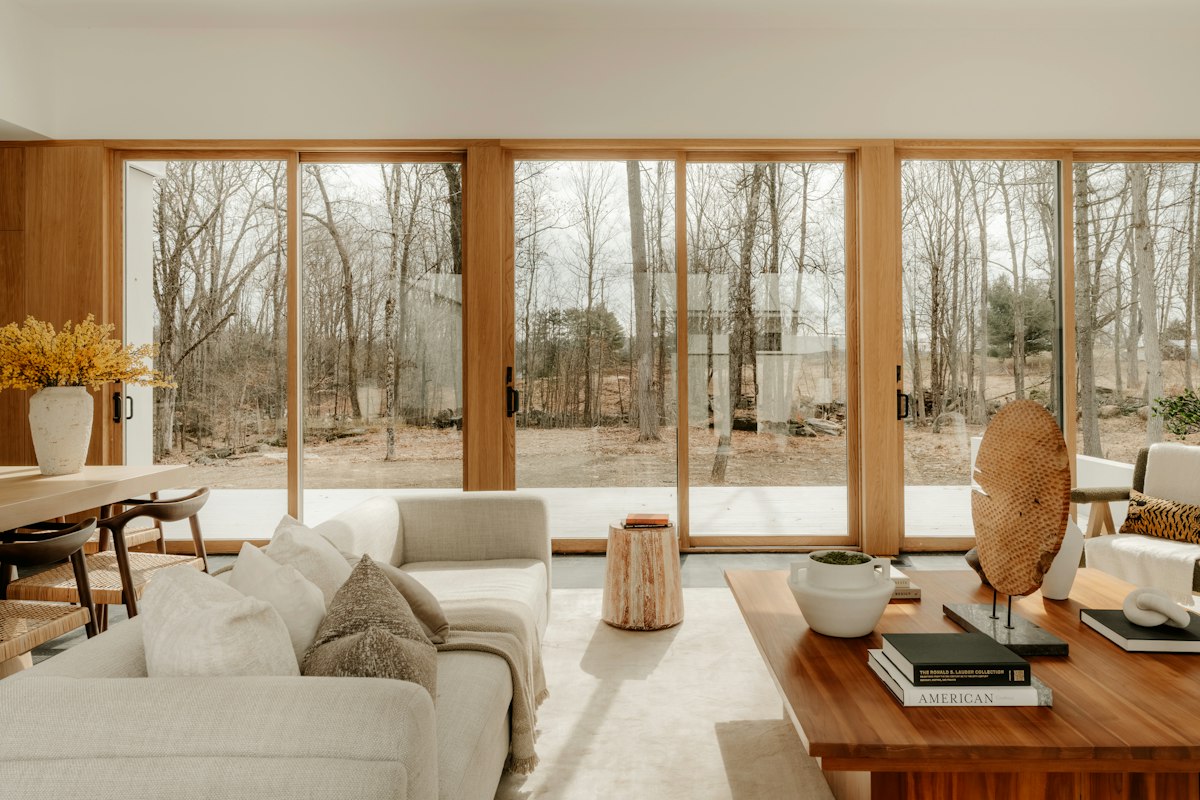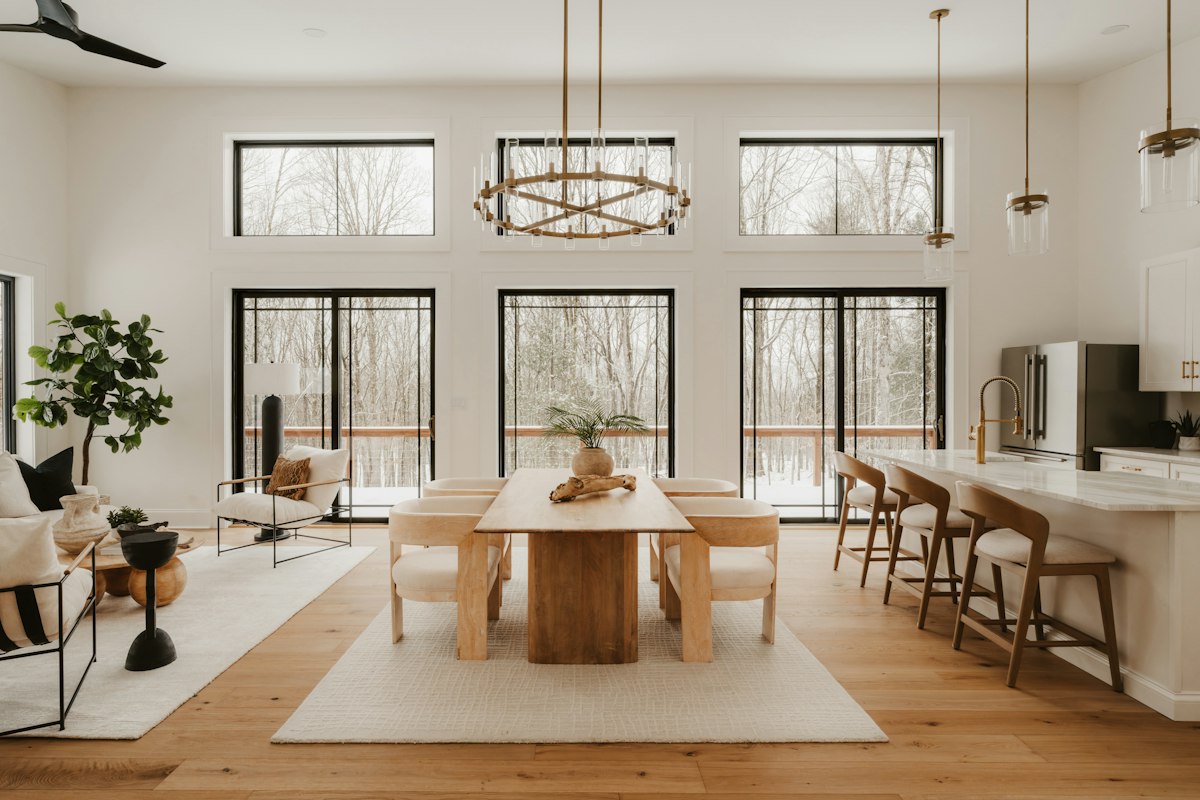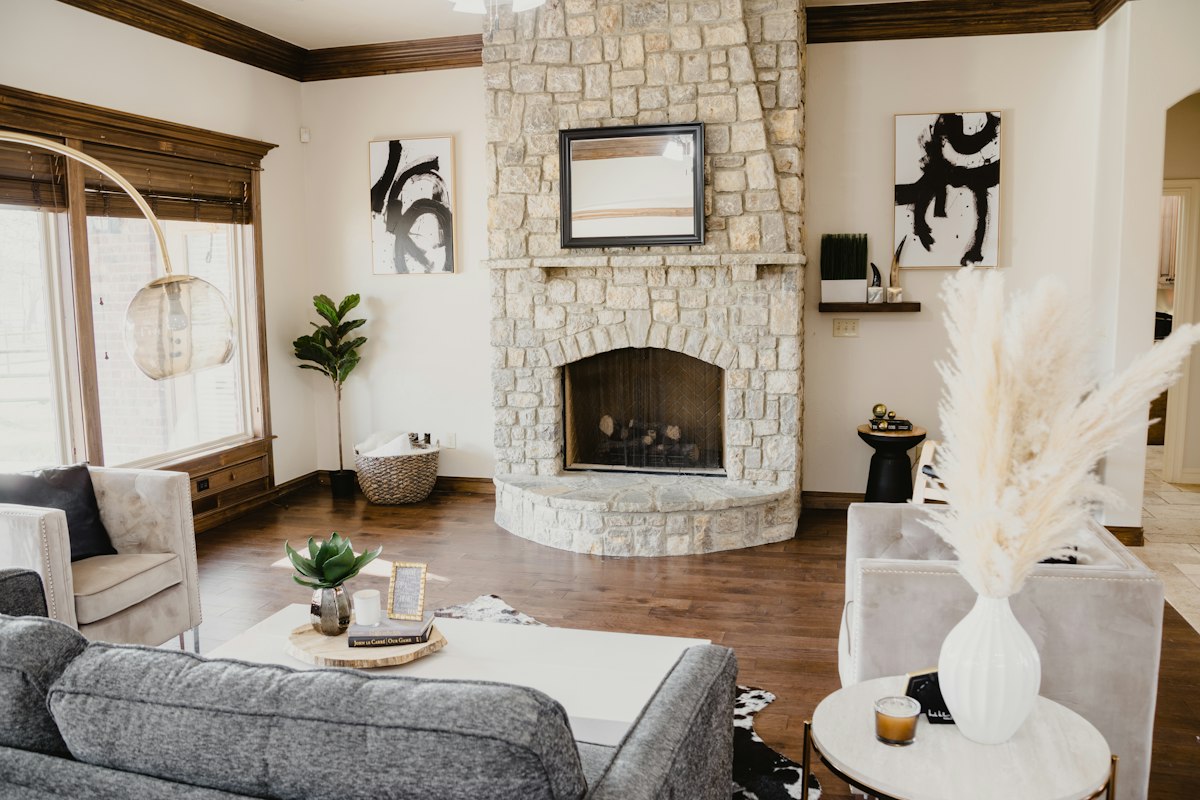
Look at the undertone and visual weight of each timber finish rather than trying to match every piece exactly. A consistent warm or neutral direction can connect different furniture. View samples or actual pieces together in the light the room receives.
Repeat one tone in more than one place so an isolated item feels intentional. Use a rug or upholstered piece to provide a pause between competing timber surfaces. Avoid buying a near match from a screen when a clear contrast would be more convincing.
Keep care requirements specific to each finish. Oiled, lacquered and veneered surfaces may need different treatment. A room can feel cohesive through proportion and repeated materials even when the furniture comes from different periods or suppliers.
Gather the timber colours already present before introducing another one. The floor, doors, large furniture and smaller pieces may each contribute a different undertone. View them together in natural light where possible and identify the strongest visual influence. It may be a warm floor or a dark inherited cabinet rather than the newest item. This gives the scheme a practical starting point and prevents a purchase that looks compatible only when considered on its own.
Look for relationships rather than exact duplication. Two warm timbers can feel connected even when their grain and depth differ, while an attempted near match can appear accidental. A deliberate darker piece may sit more confidently beside a pale floor than an almost identical shade. Compare actual samples or pieces instead of relying on screen images. Light, surface sheen and surrounding colours can change the impression of timber substantially in the real room.
Use repetition carefully to make an isolated piece feel intentional. A similar tone in a frame, a lamp base or another modest object can connect an existing table without requiring the room to be furnished as a set. Do not distribute every tone equally across the space. Let one or two materials lead and allow other surfaces to provide a pause. Upholstery and a rug can help separate timber pieces that would otherwise seem to compete directly.
Consider texture and shape alongside colour. A heavily grained rustic table has a different visual weight from a slender cabinet with a smooth frontage, even if their colours are related. Balance those qualities against the sofa and the size of the room. A mixture becomes calmer when the pieces have clear roles and enough space around them. Adding more small timber accessories rarely resolves a conflict between two oversized items that dominate the same view.
Keep maintenance specific to each finish. An oiled surface, a lacquered piece and a veneer may need different products and care, so do not apply one treatment across the room simply because every item looks like wood. Retain available manufacturer information and seek suitable advice for an older piece with an uncertain finish. A coordinated room can celebrate differences while still being practical, with its furniture cared for according to what each surface actually requires.
Measure your own room and check furniture, fixing and care instructions before buying. Have heavy wall mounted items and permanent electrical changes assessed by competent professionals where the installation requires it.