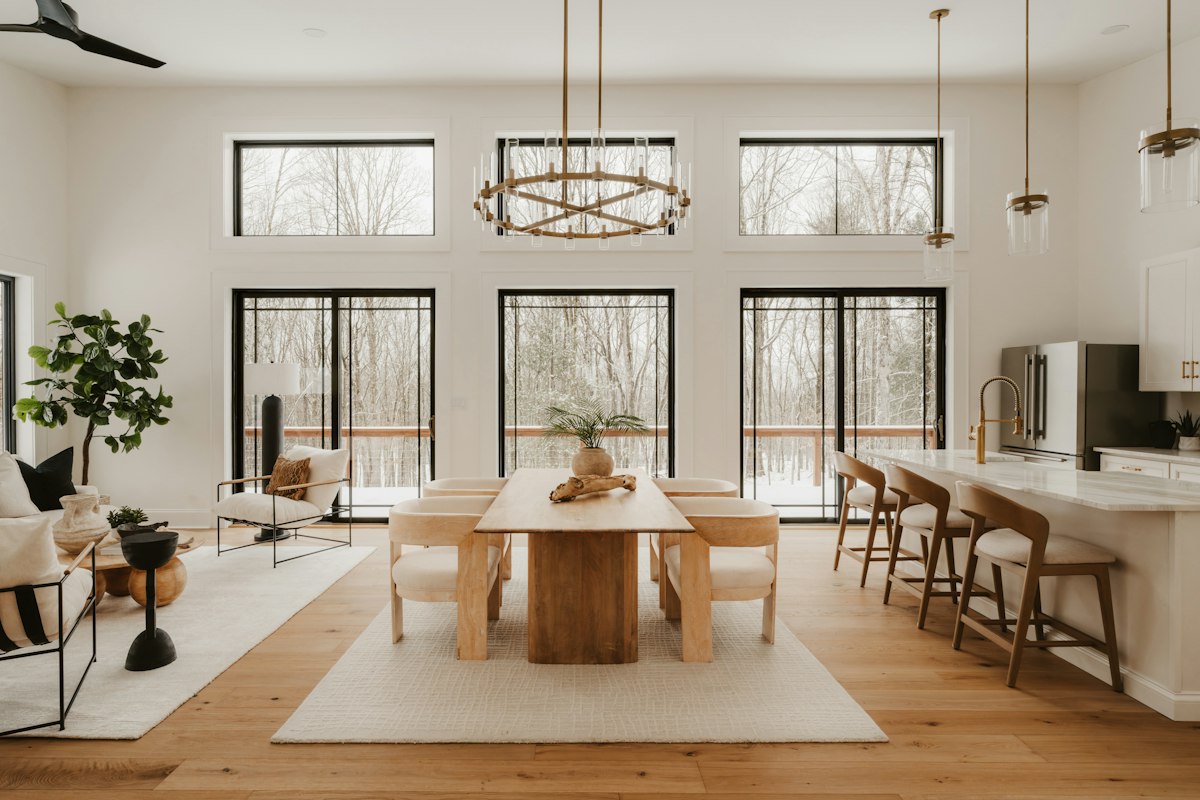
Plan light around reading, conversation and movement through the room. A single ceiling fitting may illuminate the center while leaving useful corners dim. Combine appropriate task light with softer background light so the room can change throughout the evening.
Place lamps where their light reaches the activity without shining directly into seated eyes. Consider the location of outlets before settling on furniture positions. Keep leads out of walking routes and have permanent electrical changes completed by a qualified electrician.
Try the arrangement at night before buying several matching fittings. Compare light colour and brightness across the room. Separate controls let a reading chair remain useful while the main seating area has a quieter atmosphere.
Describe the activities that happen in each part of the room before choosing fittings. Reading, watching a screen, finding a book and talking with friends may need different amounts and directions of light. A ceiling fitting can support general movement without providing all the illumination for every task. Mark where useful light is needed and where a source might cause glare. This makes the lighting plan follow the room rather than treating lamps as decorative objects added last.
Consider the view of each light from the seats people use most often. A bare source beside an eye level cushion may be distracting even if it looks elegant from across the room. A shade or diffuser changes how the light is experienced, so inspect the actual product switched on where possible. Notice reflections in screens, mirrors and glazed pictures too. Comfortable lighting is partly about what reaches the eye directly and partly about how nearby surfaces reflect it.
Give the room a simple set of useful settings. A quiet evening may need a reading lamp and some softer background light, while cleaning or searching for something requires clearer general illumination. Separate control can be helpful if it remains easy to understand. Ask a qualified electrician to assess proposed fixed wiring or dimming changes and specify compatible equipment. A complicated arrangement provides little value when nobody knows which control produces the intended result.
Compare the colour appearance of the sources before buying a mixture of lamps. Notice how the sofa fabric, wall paint and timber floor look under the planned lighting. Sources that differ strongly in colour can make separate parts of the same room feel disconnected. This does not mean every fitting must look identical. It means the light itself should support a coherent atmosphere while giving enough clarity for the tasks expected in each part of the space.
Check power access and maintenance while the arrangement is still flexible. A lamp in the ideal visual position may be impractical if its lead crosses a walking route. A fitting that is difficult to reach may complicate cleaning or replacement. Keep product references and use components approved for the chosen equipment. After the room is in use, adjust lamp positions in response to actual glare and task needs. Good lighting becomes apparent through comfortable ordinary evenings, not merely a dramatic photograph.
Measure your own room and check furniture, fixing and care instructions before buying. Have heavy wall mounted items and permanent electrical changes assessed by competent professionals where the installation requires it.