Look beyond the appearance of the timber surface and ask how the product is constructed. Solid and engineered boards have different installation requirements, and performance depends on the exact product and environment. Choose with the supplier and installer rather than from the category name alone.
Check substrate condition, moisture requirements and the manufacturer instructions before work begins. Confirm compatibility with any heating system and how expansion and transitions will be handled. These details belong in the installation plan rather than being resolved after delivery.
Compare repair and refinishing options for the specific board, including the wear layer where relevant. Keep the care guidance and spare material after fitting. A suitable timber floor combines the appearance you like with installation and maintenance that suit the home.
Start with the room conditions and the construction beneath the boards. A ground level room, an upper floor and a space above a heated room can present different questions. Ask the installer what must be measured or investigated before a product is selected. A board sample cannot establish whether the existing base is ready for installation.
Compare the complete board rather than only the attractive top surface. Ask how its layers, joints and backing are made and which installation methods the supplier approves. Two engineered products can differ substantially, just as two solid boards can. Keep the discussion tied to named products so the quote reflects a real specification.
Consider how the floor will connect with doors, stairs and adjoining finishes. The thickness of the whole assembly affects these details, including any required underlay or preparation. Draw the transition before ordering. A modest material saving may disappear if a change in floor level creates additional joinery work throughout the room.
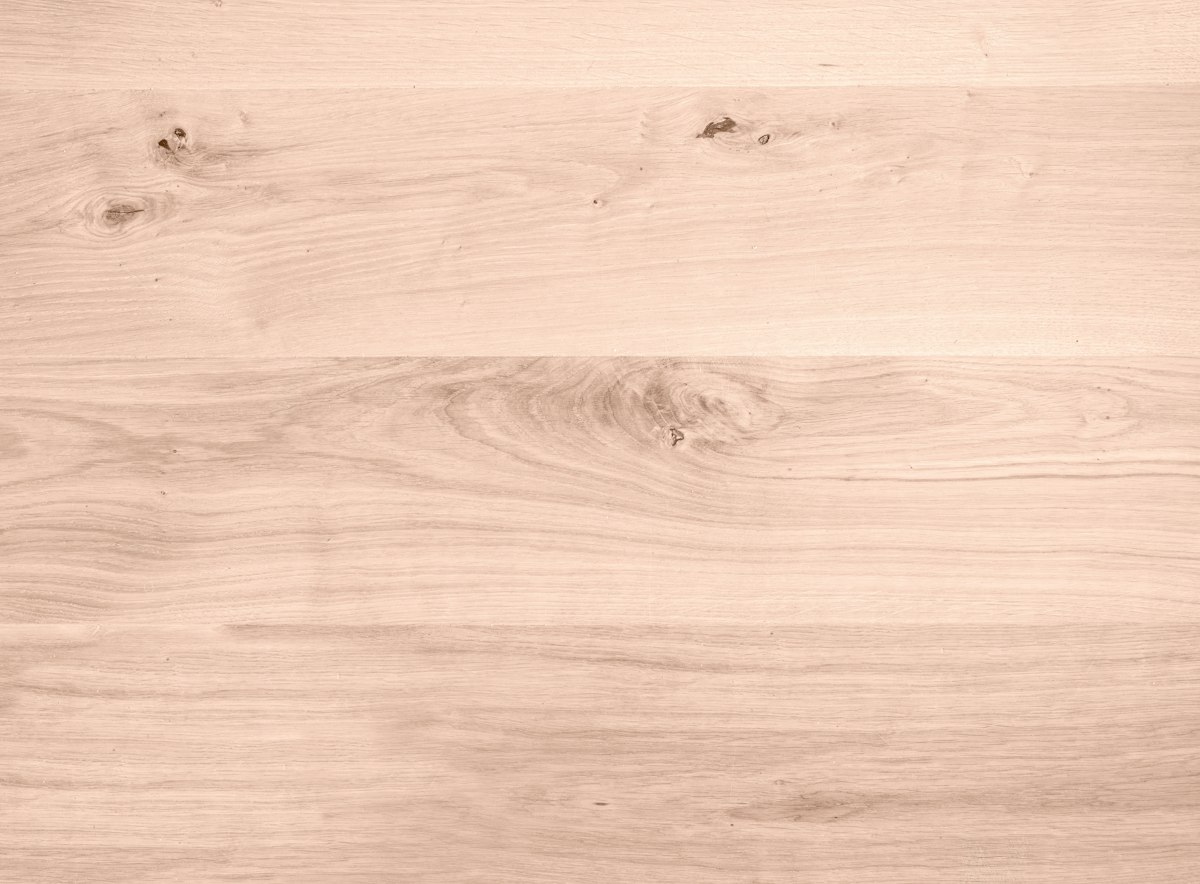
Bring a generous sample home and look at it beside the furniture and wall colours. Timber has natural variation, so ask how much difference to expect between individual boards and between the sample and the supplied batch. View several pieces together where possible. Decide whether knots and colour movement add character or compete with the rest of the room.
Ask about the practical route to repairing damage. A small isolated mark, a worn area near a doorway and a damaged board may need different responses. The option to refinish depends on the specific construction and its remaining usable surface. Do not assume a product can be sanded simply because another floor in the same broad category could be.
Before agreeing to the work, request a clear account of preparation, fitting, trims and aftercare. Keep spare boards where the storage instructions allow and label them with the room and product reference. Record any restrictions on rugs, cleaning or early use. This information makes the comparison more useful than choosing solely by a showroom price per area.
Always use the guidance for the exact product and finish in your home. Seek a qualified assessment before disturbing uncertain old materials, and do not treat general care advice as a substitute for diagnosing damage.