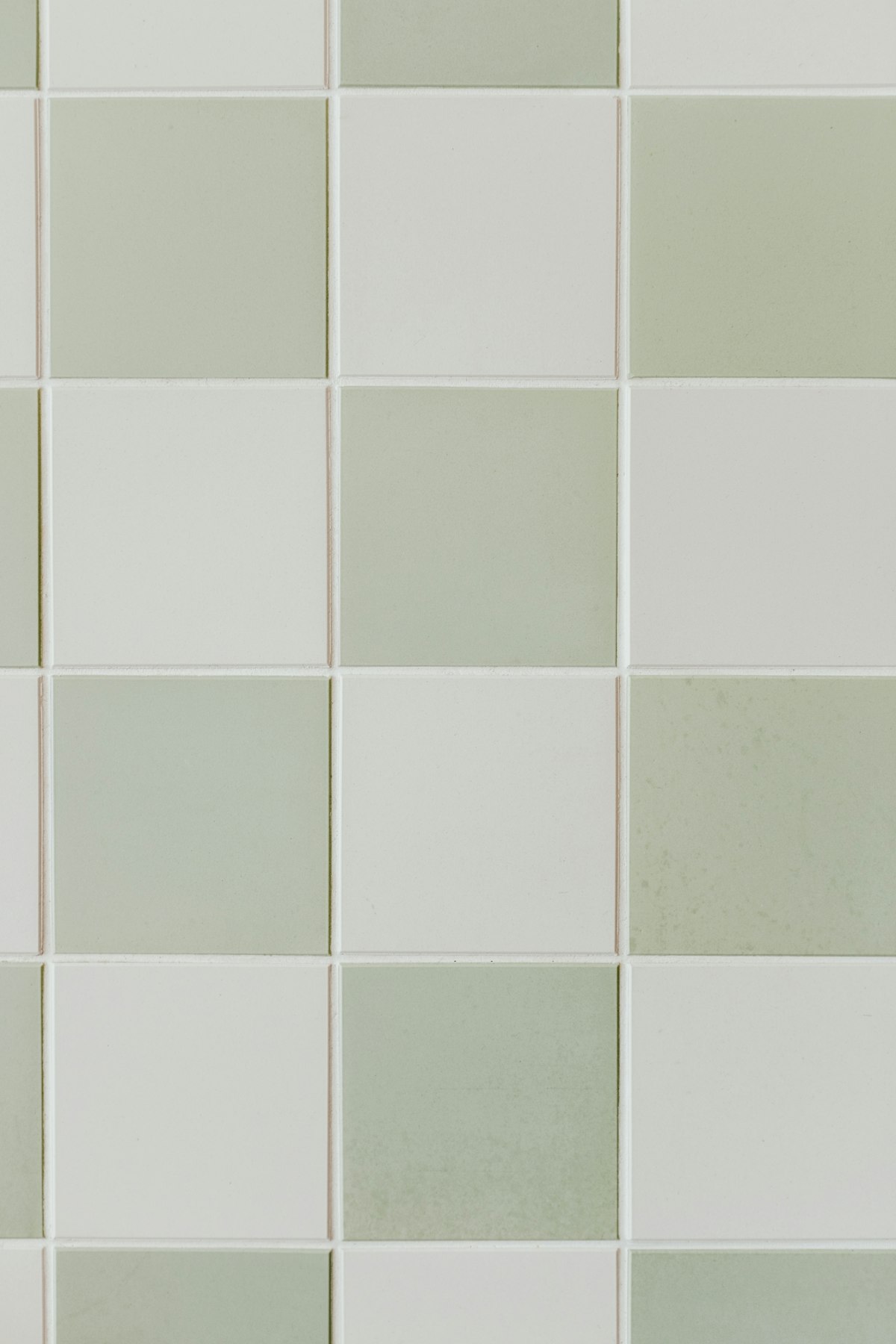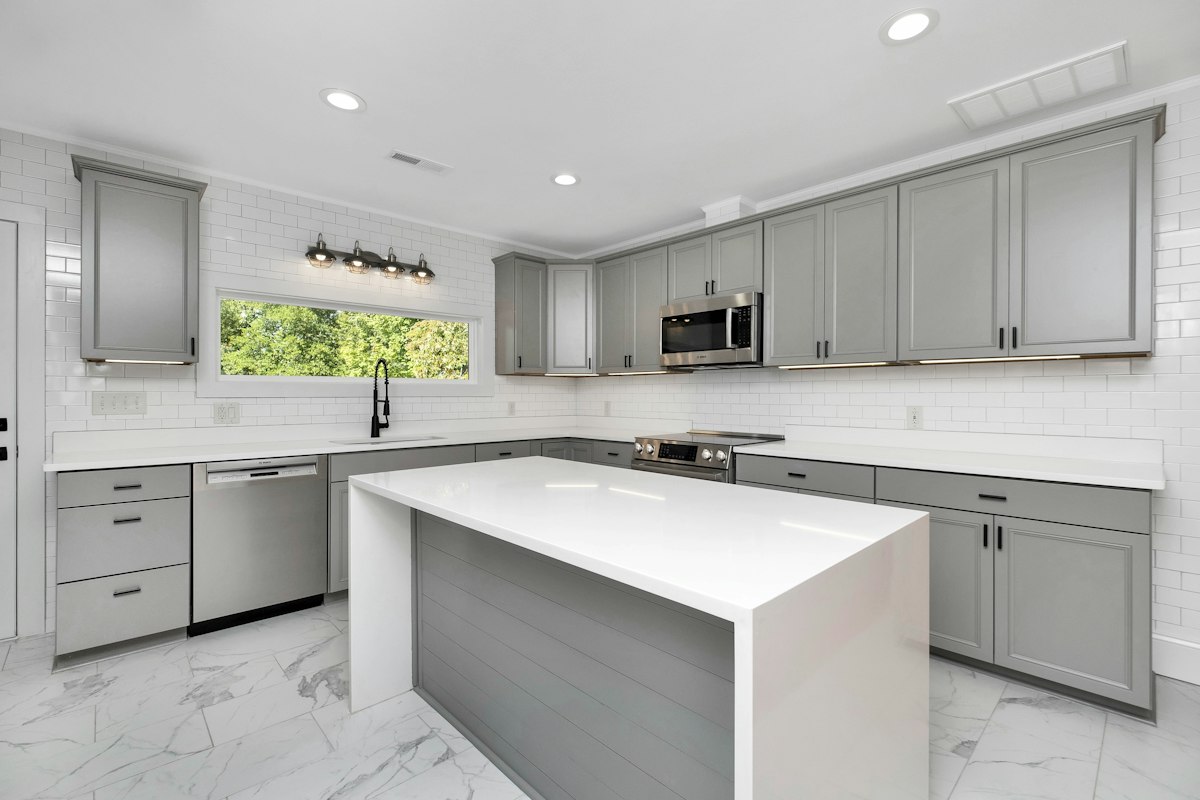
View samples in the positions where the material will be installed. Gloss reflects light and nearby objects more strongly, while matte finishes can have their own marking and cleaning characteristics. Neither description alone predicts how the exact product will behave.
Touch the sample and check its care instructions. A finish that looks pristine in a display may show fingerprints under side lighting in your home. Compare large enough samples to understand texture rather than deciding from a small colour chip.
Coordinate the finish with adjacent surfaces so reflections feel intentional. Use a quieter surrounding material where a glossy feature is meant to stand out. Choose according to actual light, maintenance and the role of the surface in the room.
Start with the role of the surface in the room. A broad cabinet run, small side table and full painted wall occupy different amounts of visual space. Gloss on a small feature may provide a useful highlight, while the same reflection over a large area can become dominant. Compare the proposed finish at a scale that resembles its eventual use.
Move the sample into the light conditions it will actually encounter. View it beside a window, in a shaded corner and under the evening fittings. A finish can appear calm in diffuse daylight yet show strong reflections when a lamp is switched on. Notice the reflected objects as well as the colour, because nearby clutter can become part of a glossy surface appearance.
Check how the material looks after ordinary handling. Ask to touch an appropriate display sample or use the supplier approved test method. Fingerprints, water marks and dust show differently across exact products, and matte does not automatically mean maintenance free. Read the care guidance before deciding that a finish will be easy to keep presentable in your household.
Consider the condition of the surface beneath a coating. Reflections can make uneven preparation more noticeable, especially where light travels across a wall. Ask the painter or supplier what preparation the selected system requires. Do not choose a flat looking finish as a substitute for investigating dampness, loose material or another unresolved defect in the base.
Compare finishes together rather than approving each in isolation. A glossy backsplash beside a reflective worktop can create several competing highlights. A quieter adjacent surface may give the chosen feature more clarity. Keep the colour samples and material samples in the same light so differences in texture and reflection are considered as part of one palette.
Check whether the product offers the finish you actually saw in the display. Similar names can describe different levels of sheen across manufacturers and material types. Record the exact product and finish reference with the colour. A later replacement or touchup chosen by a broad label alone may not reproduce the appearance you expected.
Use a larger trial area where the supplier recommends it before committing to a substantial coated surface. Judge the result after the appropriate drying or curing period rather than immediately after application. Keep cleaning within the stated guidance. The final choice should balance the visual effect with realistic handling and maintenance under the room light.
Always use the guidance for the exact product and finish in your home. Seek a qualified assessment before disturbing uncertain old materials, and do not treat general care advice as a substitute for diagnosing damage.