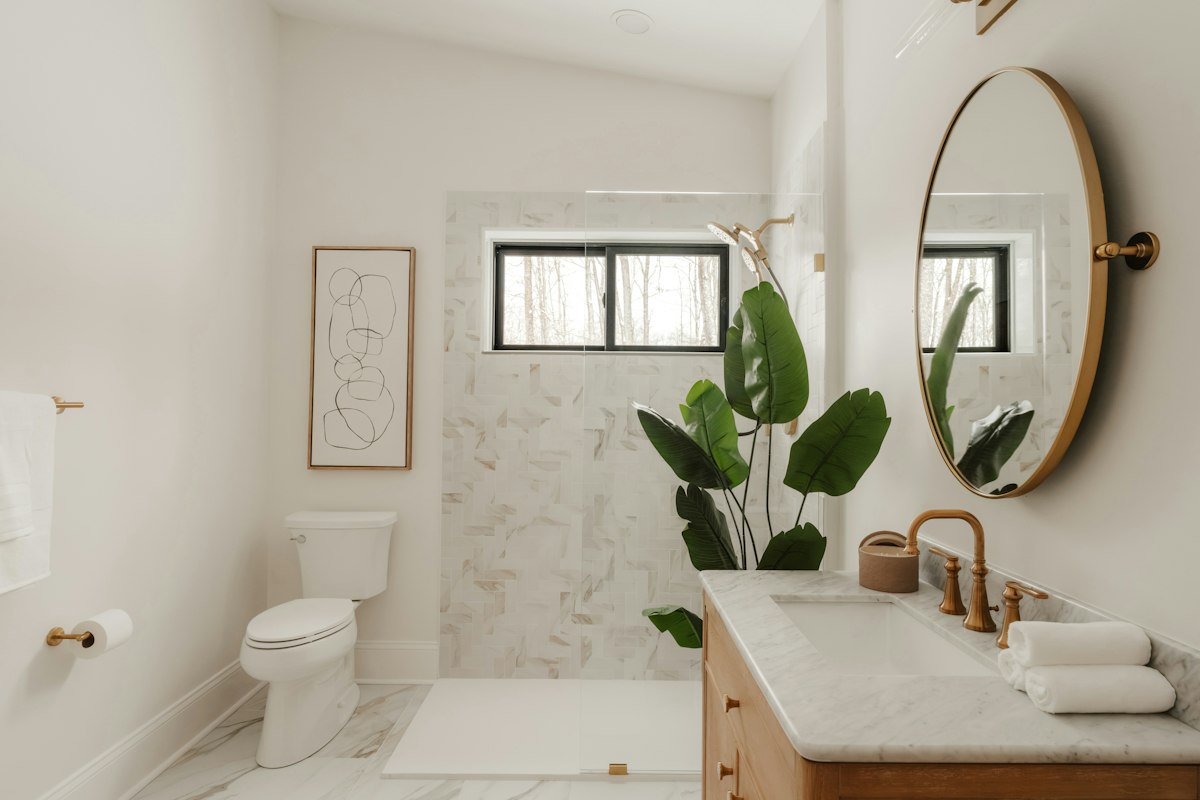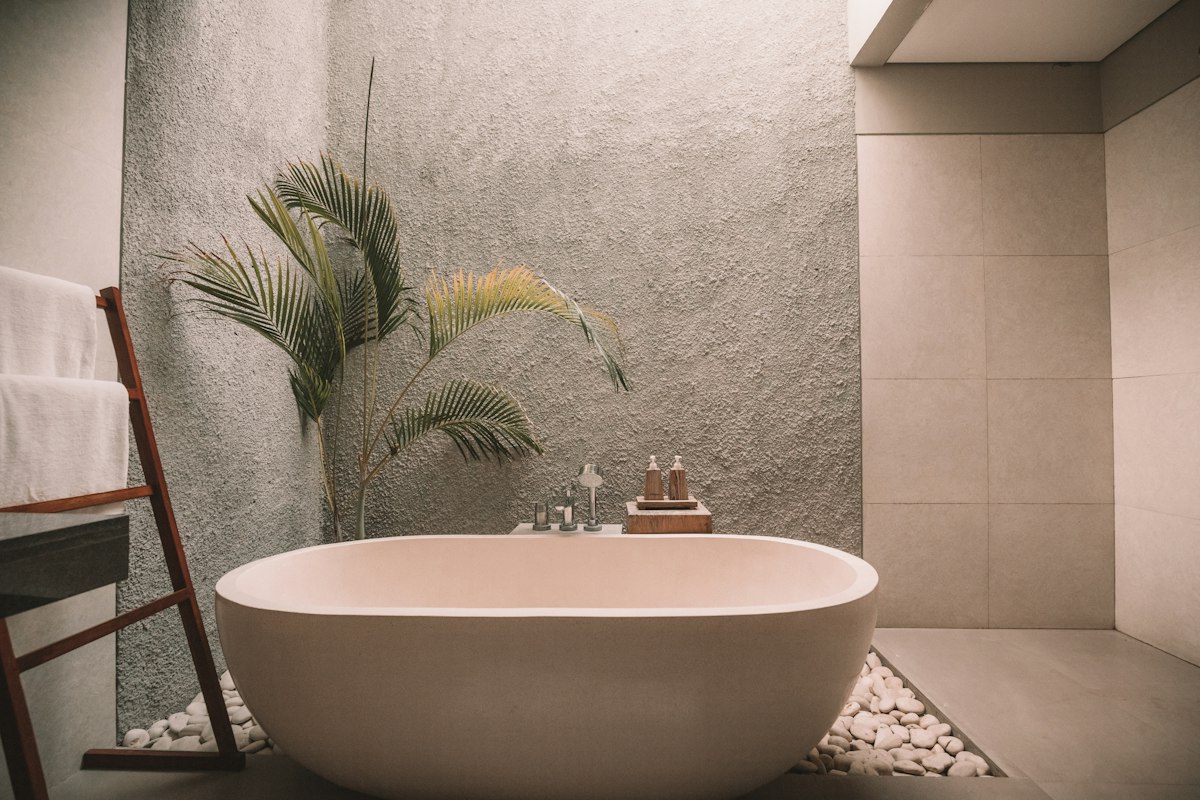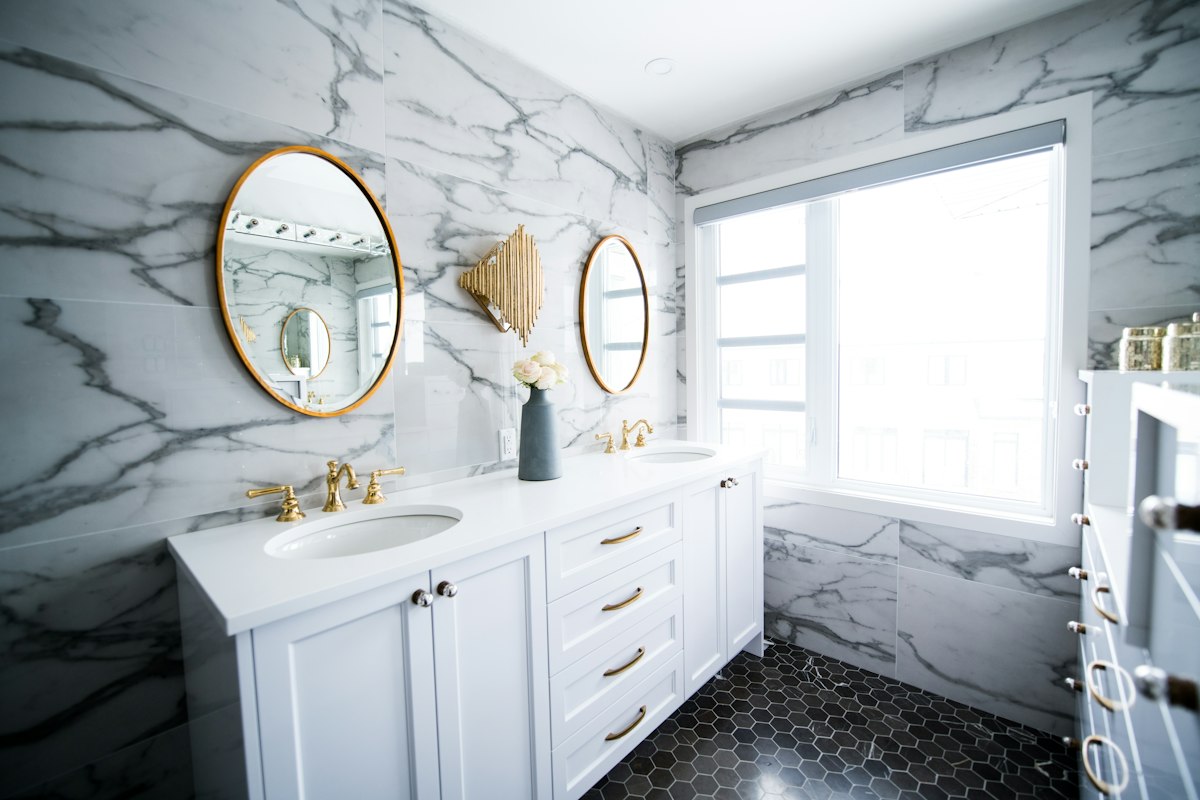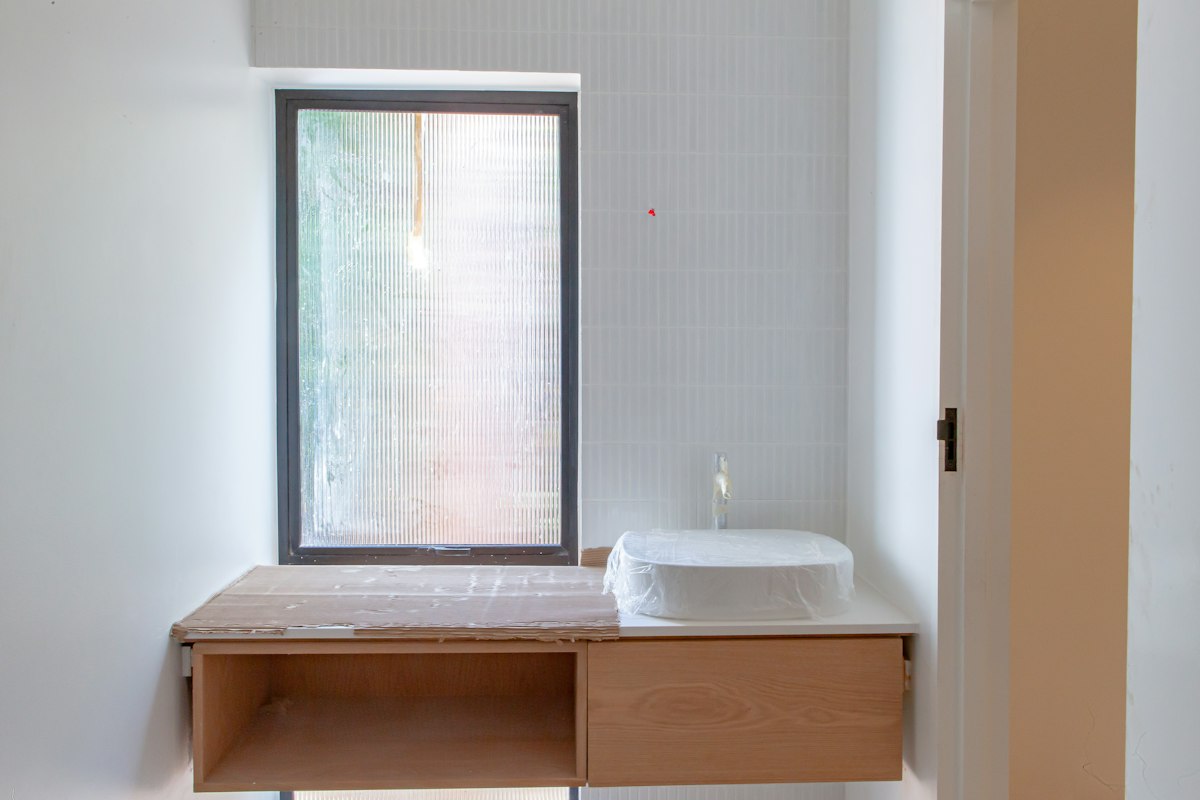
Choose which surface will carry the strongest pattern before selecting the rest. A patterned floor can work with quieter walls, while a feature wall may need a simpler background. Compare samples together rather than approving each attractive tile in isolation.
Draw the layout around the vanity, corners and openings. Ask the tiler how cuts and pattern repeats will fall in the actual room. A sample board cannot show the effect of an awkward narrow strip at a highly visible edge.
Keep grout colour and edge trims in the same decision. They influence the pattern as much as the tile itself. Allow enough material for the installer planned layout and retain spare pieces for future repair where practical.
Choose a visual starting point and describe its role in a sentence. A patterned floor might provide character beneath quiet walls, or a textured shower wall might be the main feature. This decision helps every later sample earn its place. Without a clear role for the strongest pattern, it is easy to collect several attractive tiles that compete when placed together. Judge the combined scheme rather than the individual appeal of each sample in isolation.
Compare the scale of the patterns, not only their colours. A fine mosaic, a broad stone effect and a strong geometric design can each create a different rhythm. Several equally active surfaces may make a small room feel busy even when their colours technically match. Allow quieter areas to separate the more expressive material. A simple wall tile can be a deliberate part of the design rather than an unfinished choice waiting for another feature.
Ask for enough samples to understand variation and repetition. One dramatic piece from a stone effect range may not represent the full mixture, and a printed pattern may repeat more frequently than expected. View a group together beside the proposed grout colour. Consider the distance from which each surface will usually be seen. The bathroom doorway gives a different impression from standing close to the shower wall while using the room.
Review corners and changes between patterns on the actual layout. A decorative border or a pattern ending at a cabinet can create difficult fragments if its relationship to fixtures has not been considered. Discuss the edge treatment and distribution with the tiler before ordering. Do not add a trim solely to solve a junction that has never been drawn. A calm scheme often comes from resolving these transitions instead of introducing more decorative elements.
Leave room for ordinary objects in the finished composition. Towels, bottles and a bath mat will add colour and texture once the room is used. A scheme that already feels fully occupied by competing tile patterns may become harder to read afterward. Compare the selections with the vanity and mirror, then remove any element without a clear purpose. Coordinated patterns should support a useful bathroom rather than requiring the room to stay empty to look balanced.
A bathroom must be assessed as a complete installation. Confirm product suitability, waterproofing, ventilation and applicable local requirements with qualified installers before beginning work or purchasing fitted components.