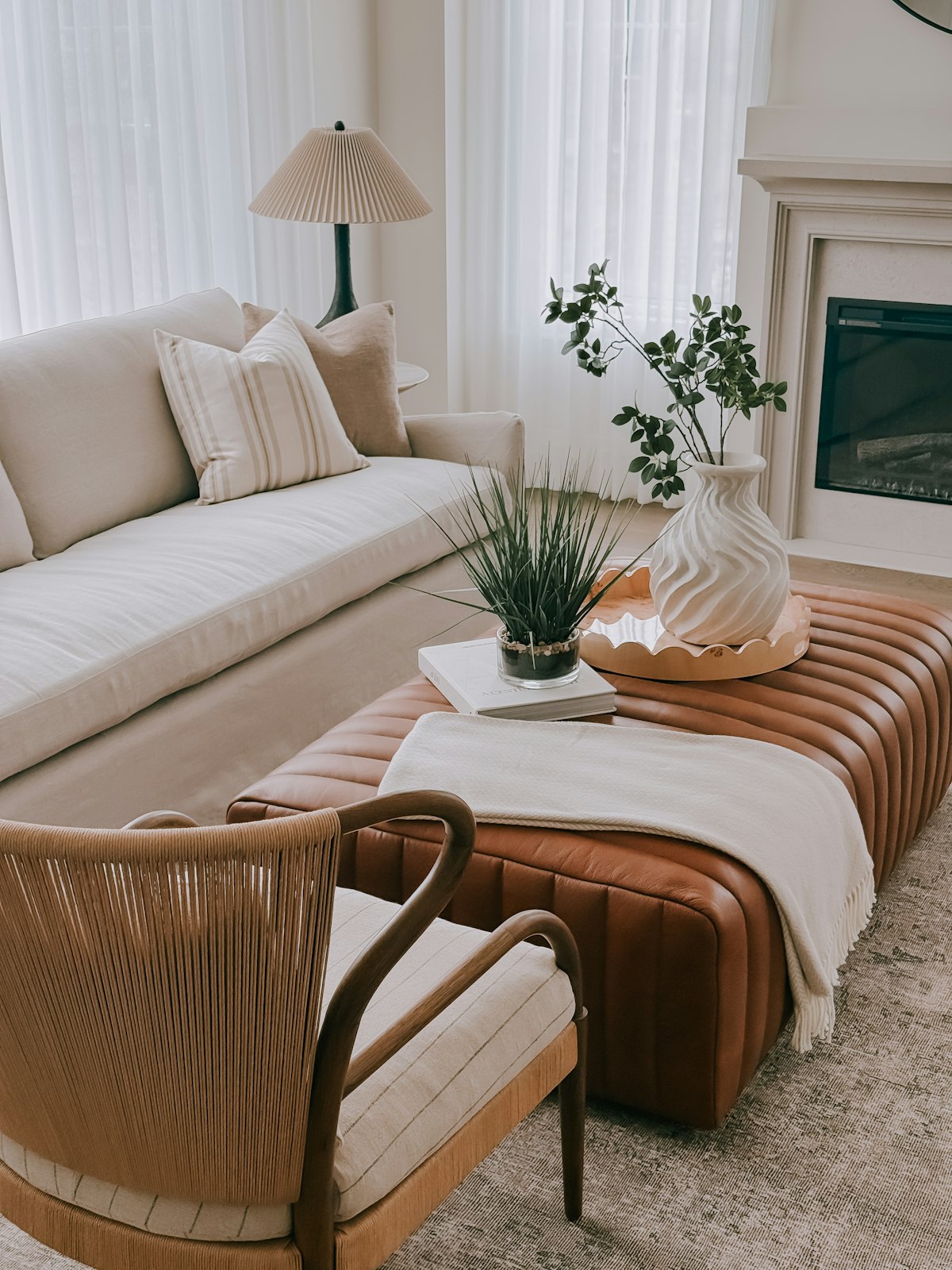
Choose a position that feels pleasant at the time you usually read. Daylight is useful, but evening task lighting matters too. Try the chair for support and check that a small table or shelf can hold a book and drink without blocking your approach.
Position the lamp to illuminate the page while limiting glare. Keep its cord away from walking routes and follow fitting guidance. A footstool can add comfort if the remaining space still allows easy movement around the chair.
Give books a practical home nearby rather than building an elaborate display first. A quiet corner needs only a few well chosen elements. Adjust the arrangement after using it so comfort leads the final styling.
Choose the reading location according to the time and way you read. Someone who uses the room in the early morning may value a window view, while an evening reader depends more on a comfortable light and a quiet relationship to the television. Try the position before buying a chair. A beautiful corner is not automatically inviting if it feels exposed, catches glare or sits directly in the path between two frequently used doors.
Assess the chair for the posture that feels comfortable over more than a brief showroom visit. Seat depth, back support and arm position influence how a book is held. A footstool may be welcome for one reader and unnecessary for another. Compare the complete arrangement with the available floor space. A chair described as a reading chair is still only a product category; the useful test is whether it supports the person who will actually sit there.
Place the task light in relation to the page and the reader's eyes. A source behind the head can cast a shadow, while a poorly positioned exposed lamp can be glaring. Try adjustable positions within the fitting guidance and consider reflections from glossy pages or a tablet. Keep leads out of the walking route and use suitable products. The aim is a readable page and a comfortable view, not the brightest pool of light in the room.
Provide a simple reachable home for a book, glasses or a drink. A small table can be enough if it is stable and does not obstruct the approach to the chair. Consider a nearby shelf only if it adds useful access rather than clutter. The reading place should remain easy to enter and leave without carrying belongings across the room every time. These ordinary conveniences often determine whether a new corner becomes a regular habit or an unused decorative arrangement.
Keep the surrounding area modest and review it after real use. A blanket or cushion can improve comfort, but too many soft accessories may need moving every time someone sits down. Notice whether the light, table and chair position still feel useful at the end of a longer session. Adjust the elements that cause friction. A reading spot earns its place through repeated enjoyment, with its styling emerging from the things that genuinely make the activity more comfortable.
Measure your own room and check furniture, fixing and care instructions before buying. Have heavy wall mounted items and permanent electrical changes assessed by competent professionals where the installation requires it.