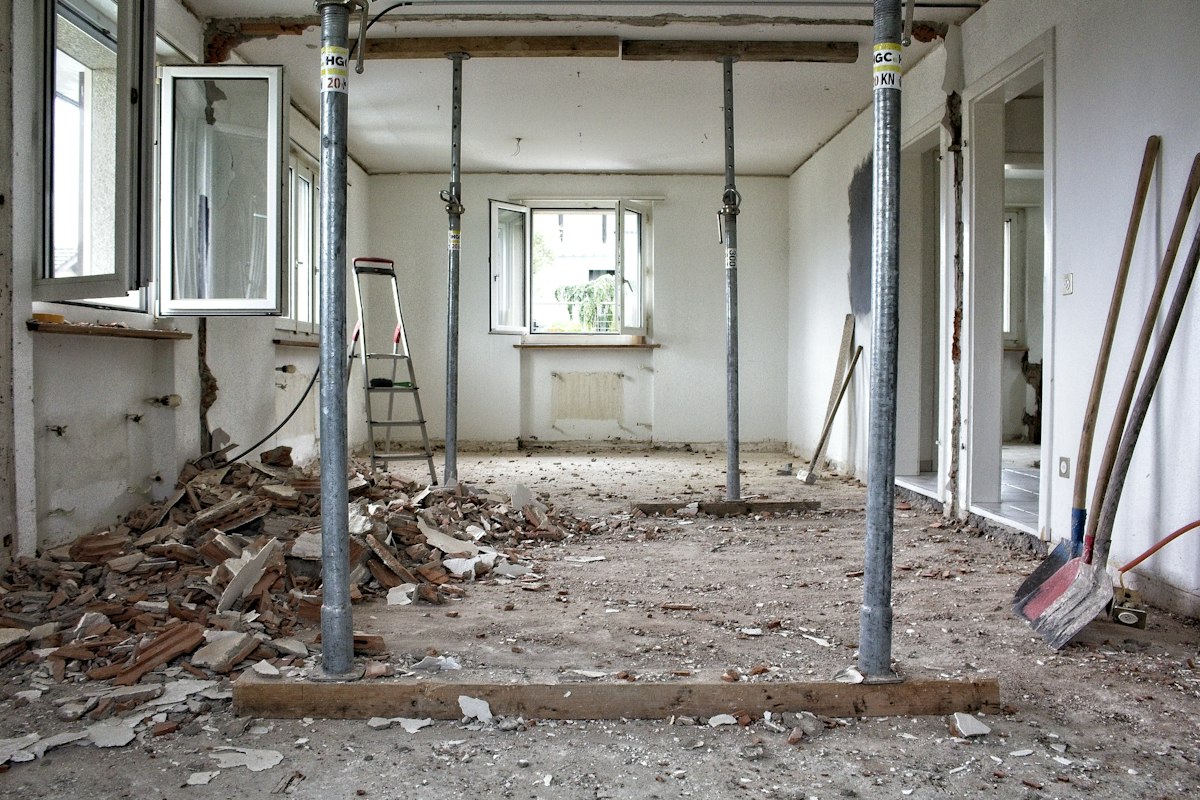
A useful brief describes the problem before it describes a style. Explain who uses the room, what does not work and which daily activities the finished space must support. Include a few annotated photographs instead of a large folder of unrelated inspiration.
Write down the required work, the finishes under consideration and the items you intend to supply. Identify decisions that remain open. Ask contractors to state their assumptions so you can compare proposals without mistaking different scopes for different prices.
End the brief with your preferred sequence, access restrictions and budget range. Invite practical alternatives that achieve the same purpose. Keep a dated working copy for project records, and confirm agreed revisions in writing before work changes.
Describe a normal day in the room to make the brief more useful than a list of products. A kitchen brief might explain that two people prepare breakfast while another empties the dishwasher. A bedroom brief might explain that one person dresses before the other wakes. These examples give a designer or contractor practical problems to solve, and they help test whether an attractive proposal actually supports the household.
Identify the limits that a proposal must respect. These may include retained flooring, a fixed completion window, restricted access or a requirement to keep one bathroom usable. Explain why each limit matters and distinguish a preference from a genuine constraint. A contractor can suggest alternatives more intelligently when they know that keeping a cabinet is optional but maintaining a safe route through the home is essential.
Use selected reference images with a short explanation of what each one demonstrates. You may like the warmth of a timber finish without wanting the illustrated room layout or expensive custom lighting. Marking that distinction reduces misunderstandings and keeps the conversation focused. Keep the number of references manageable so conflicting styles do not obscure the practical priorities that should lead the proposal.
Ask responders to identify exclusions and information they still need. An early brief may not establish concealed conditions or technical feasibility, and it should not pretend to do so. Invite questions about the substrate, service positions or product availability. Clear uncertainty is useful information because it allows investigation and pricing to happen before an assumed detail becomes a construction problem.
Keep a short decision section at the end of the working document. Record agreed priorities, the latest drawing reference and the selections that are still open. When the scope changes, issue a revised complete brief rather than expecting everyone to assemble the project from scattered messages. A document that remains readable and current supports both a better quote and a clearer relationship once the work begins.
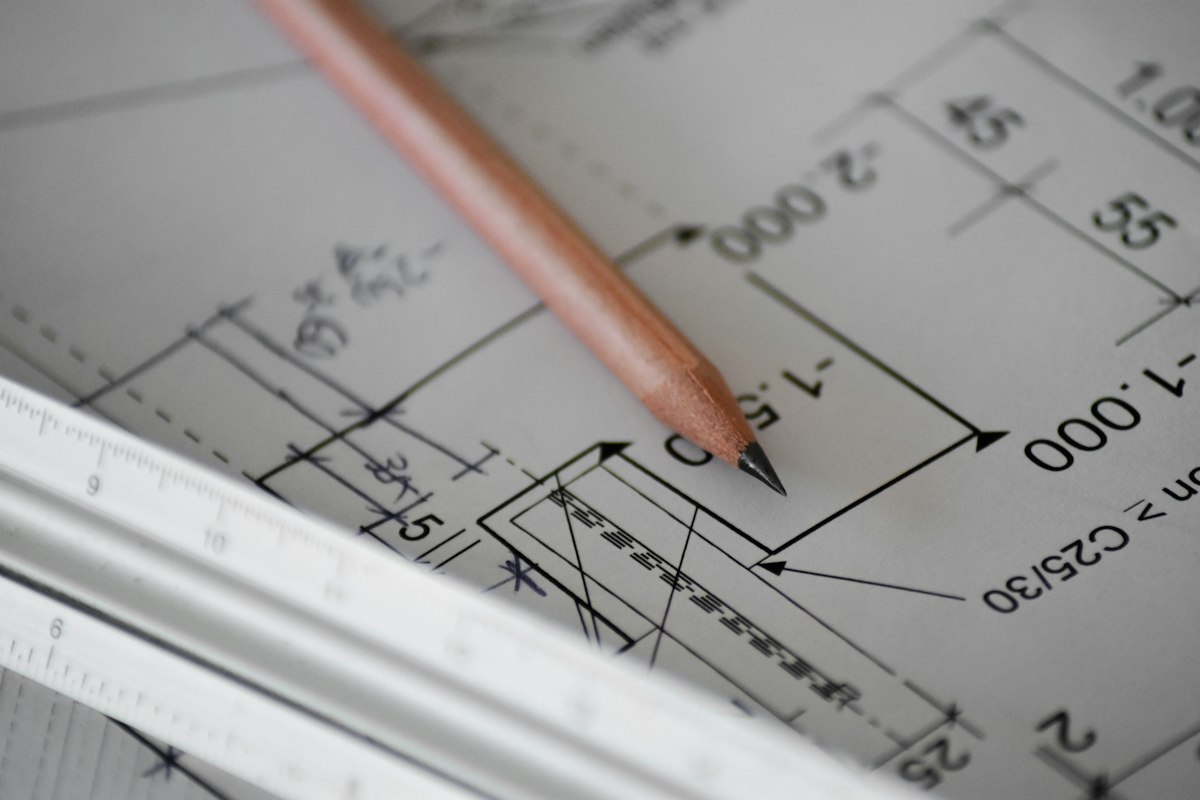
Read the brief as if you have never visited the home. If a sentence depends on knowing which wall you meant in a conversation, add a labelled photograph or sketch reference. An outside reader should be able to understand the question and identify what still needs checking before the work can be priced.
Use these ideas to prepare a brief for your own property. Confirm measurements on site and ask appropriately qualified local professionals about approvals, technical design and work that requires specialist competence.