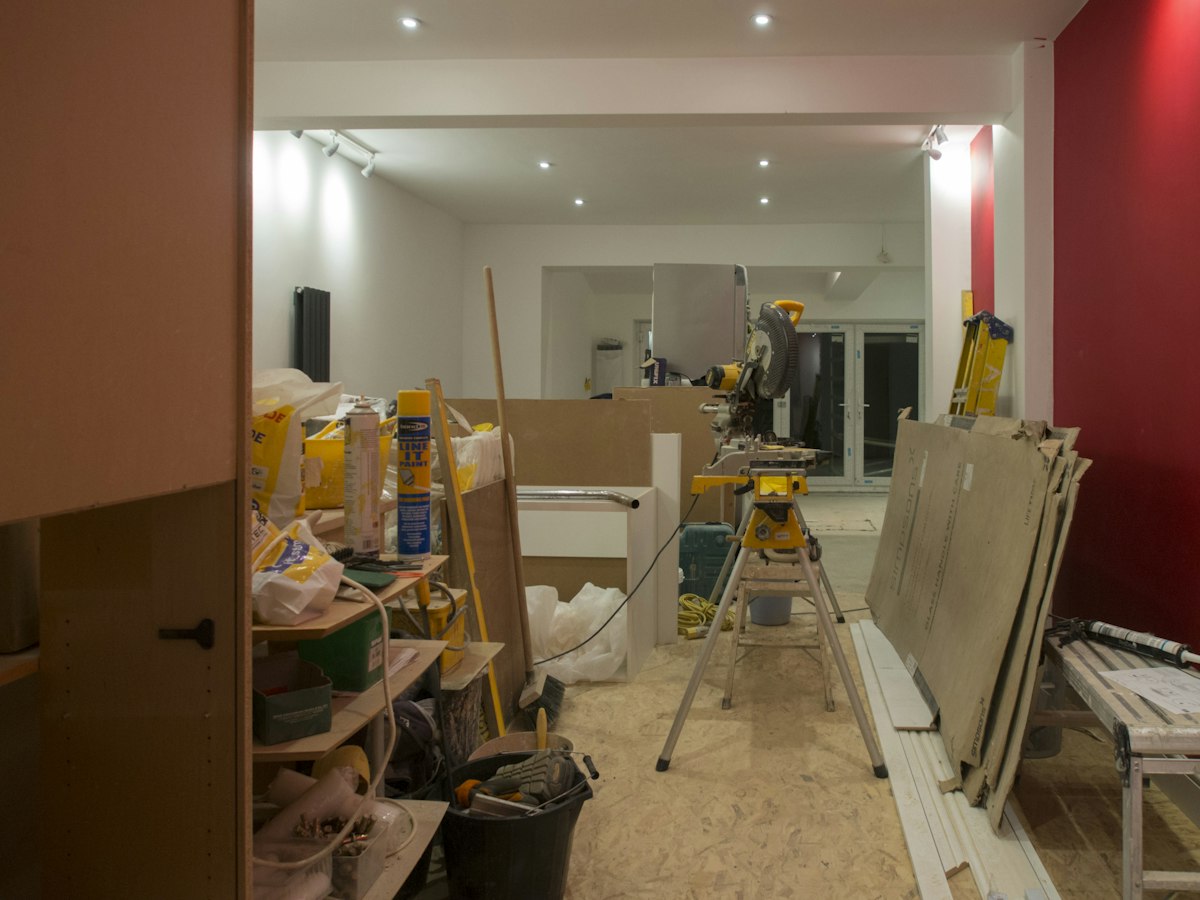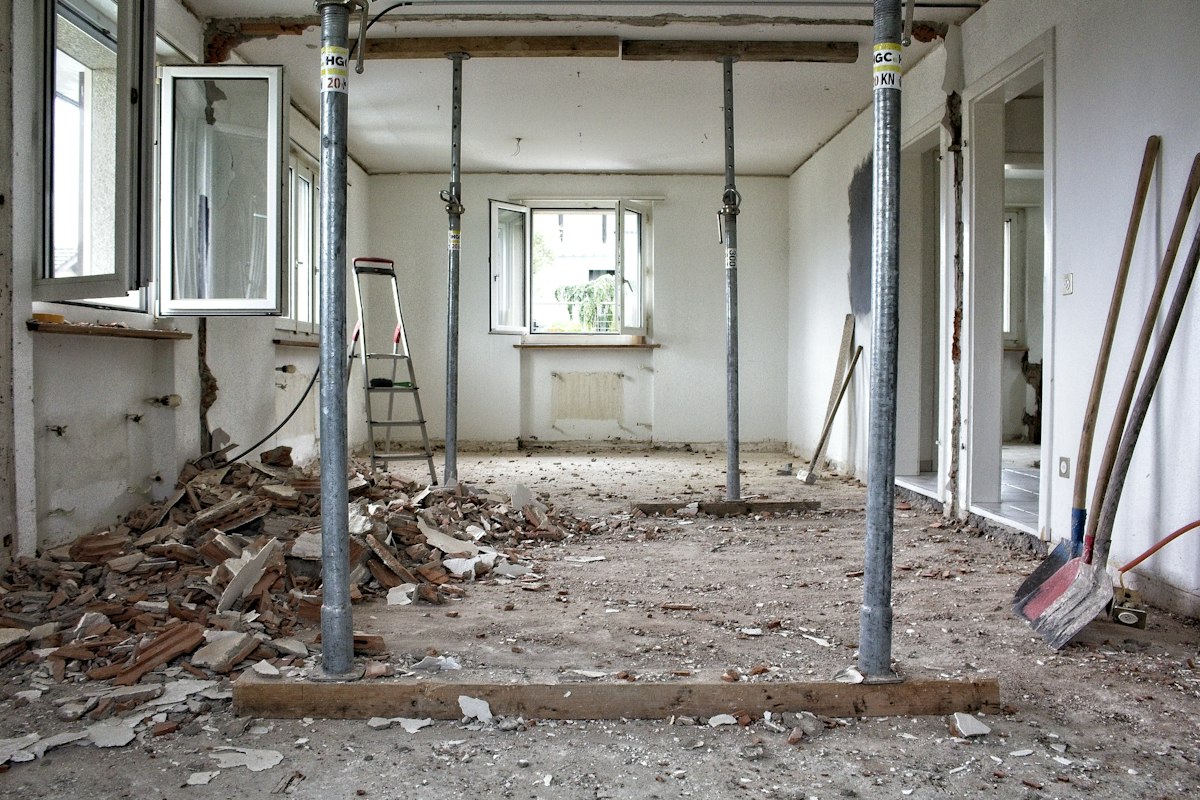
Sequence the project around dependencies. Investigating defects and deciding the layout should come before ordering fitted components. Work inside walls usually needs coordination before those surfaces are closed, with inspections arranged where the local authority requires them.
Ask the lead contractor to show how trades will hand work to one another. Include realistic time for drying, curing and delivery rather than treating every day as an installation day. Keep the schedule flexible until uncertain site conditions have been investigated.
Avoid scheduling final decoration before dusty work is complete. Confirm when floors, cabinets and delicate fixtures will be protected. A short weekly review of upcoming decisions can prevent an unfinished detail from stopping several trades at once.
Begin the sequence with decisions that affect several later tasks. Moving a doorway can change the flooring pattern, switches and furniture position, so the opening should not be treated as an isolated detail. Ask the contractor to explain which decisions are needed before each stage starts. A short dependency map is often more useful than a long calendar that gives every task a date without showing what it depends on.
Separate tasks that create damage or dust from tasks that need a finished environment. For example, fitting a delicate surface while heavy deliveries still pass through the room may increase the need for protection or repair. The appropriate order varies with the products and scope, so use the installer advice rather than copying a universal sequence from another project. Confirm how retained elements are protected at every transition.
Include the invisible periods when materials need to reach the specified condition. Drying, curing and acclimatization are product dependent and cannot be safely replaced by wishful scheduling. Ask which conditions must be checked before the next layer is applied. When a delay occurs, review the following tasks instead of allowing the schedule pressure to conceal work that has not yet become ready.
Coordinate services and access before a wall or floor is closed. Different trades may need the same opening, and each should know when it will become unavailable. Ask about inspections and documentation where required. Photographs taken with permission can support future maintenance, but they do not replace an inspection or the installation records the project needs.
Leave final adjustments and handover within the plan rather than treating them as spare time after the project ends. Cabinet alignment, touchups and operating instructions all contribute to a usable room. Review the next stage regularly with the contractor and confirm what you must decide or provide. An organized sequence allows work to progress with fewer avoidable reversals, even when the building produces an unexpected discovery.
Check who releases each stage to proceed. If several trades assume someone else has confirmed readiness, a task can begin too early or be delayed unnecessarily. A named lead contact and a simple notice of completion can improve coordination without turning an ordinary household project into complicated paperwork.
Use these ideas to prepare a brief for your own property. Confirm measurements on site and ask appropriately qualified local professionals about approvals, technical design and work that requires specialist competence.