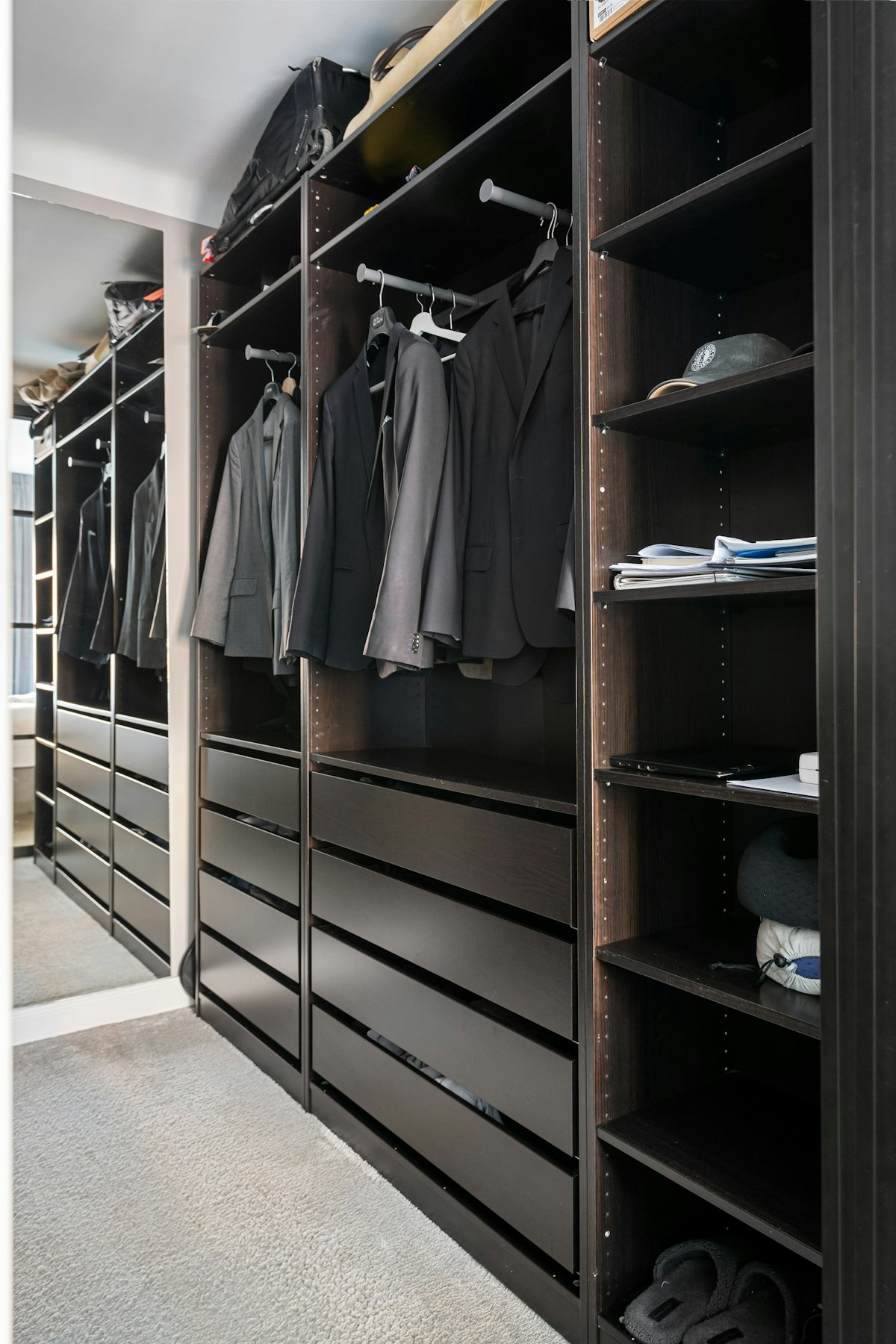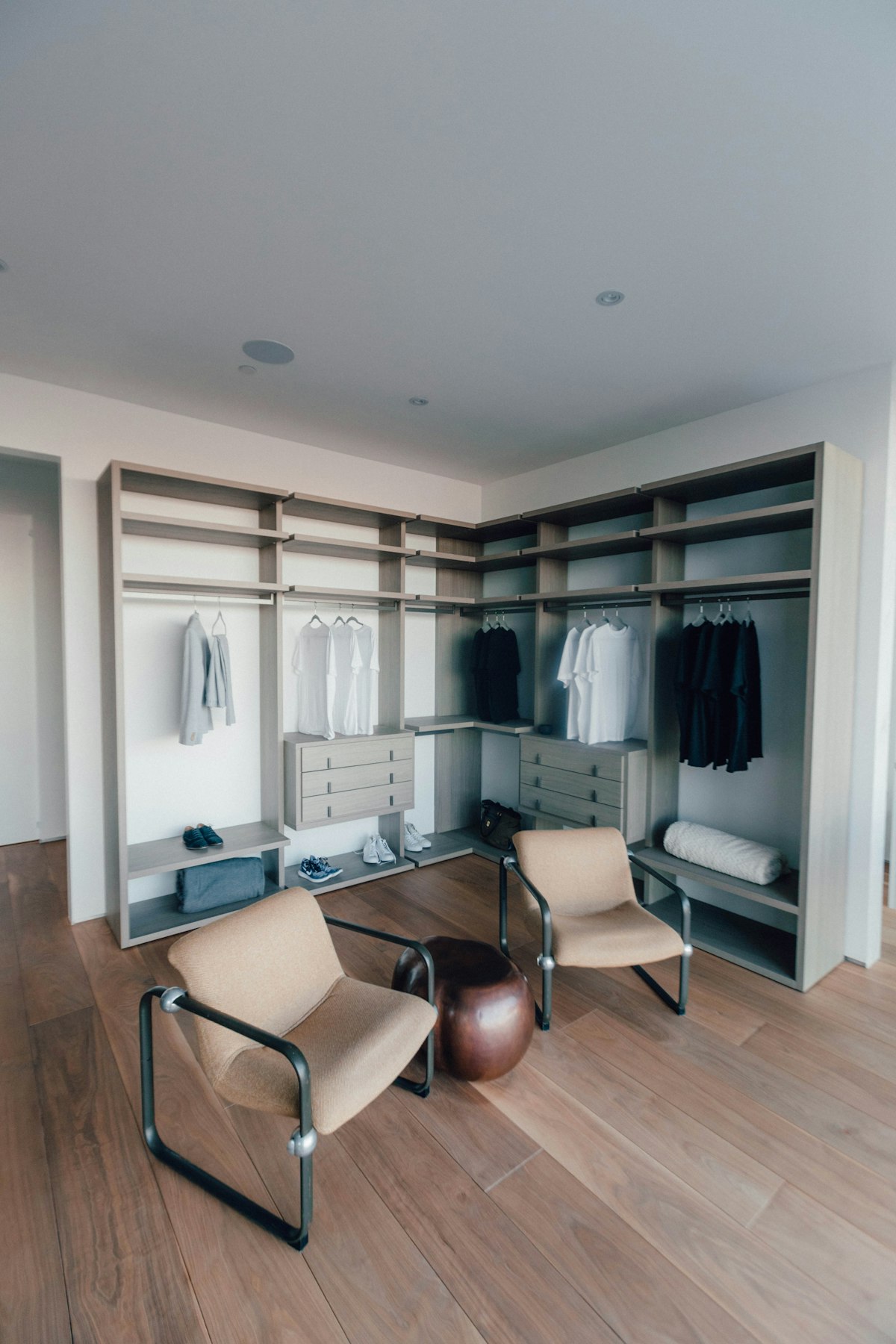
Place the dressing area where you have comfortable light and enough room to stand or sit. A mirror, shallow storage and a clear surface may be sufficient. Avoid placing the arrangement where an open wardrobe door will trap the chair or block the bedroom route.
Plan suitable lighting without harsh glare and keep small electrical equipment away from textiles and water. Use outlets safely and have permanent changes assessed by a qualified electrician. Keep cosmetics and accessories organized in compartments you can clean easily.
Identify the dressing tasks the corner needs to support before selecting furniture. Makeup, hair care and choosing accessories may need different surfaces and storage. Measure the equipment and containers actually used. A large table is not automatically more convenient if its drawers are shallow or its chair blocks the route to the wardrobe.
Test the mirror position while seated or standing as intended. Check whether daylight creates a strong shadow on one side of the face and how the arrangement works in the evening. Suitable task lighting can help, but glare from a bare source may be uncomfortable. Assess the combined mirror and lighting view rather than choosing each item independently.
Leave space for the seat to move and for a person to approach it. A stool tucked neatly beneath the table in a photograph still needs a usable position when someone sits down. Include an open drawer in the trial arrangement. If the corner repeatedly blocks circulation, a shallow wall surface or a different location may work better.
Give small accessories and cosmetics a storage method that is easy to clean. Simple removable dividers can be more useful than a complex fitted arrangement that does not match the containers. Keep occasional items separate from everyday essentials. Do not fill every visible surface with organizers before deciding what genuinely needs to remain within reach.
Plan electrical use carefully if heated grooming tools or other equipment are involved. Follow product safety, cooling and storage instructions and keep devices clear of textiles or unsuitable surfaces. A qualified electrician should assess permanent outlet changes. Concealing a lead for a tidy appearance must not place it where furniture can crush or trap it.
Connect the dressing corner with the room through a repeated material or restrained colour. A small practical area does not need several additional decorative objects to announce its purpose. Keep a clear place for the items used each morning and a straightforward way to put them away. The arrangement should remain useful after the room is no longer freshly styled.
Try the complete routine before fixing extra shelves or purchasing more storage. Notice whether the mirror height, chair and drawers can be used together comfortably. A few adjustments made with movable furniture can resolve the problem before it becomes an expensive fitted installation.
Connect the area to the room through a repeated finish or colour. Make sure it can be tidied quickly after use. A small practical corner often serves better than a large dressing table chosen before the available space was measured.
Check dimensions against your room and follow furniture anchoring, textile care and electrical safety instructions. Use a competent installer for uncertain wall fixings and appropriately qualified help for permanent service changes.