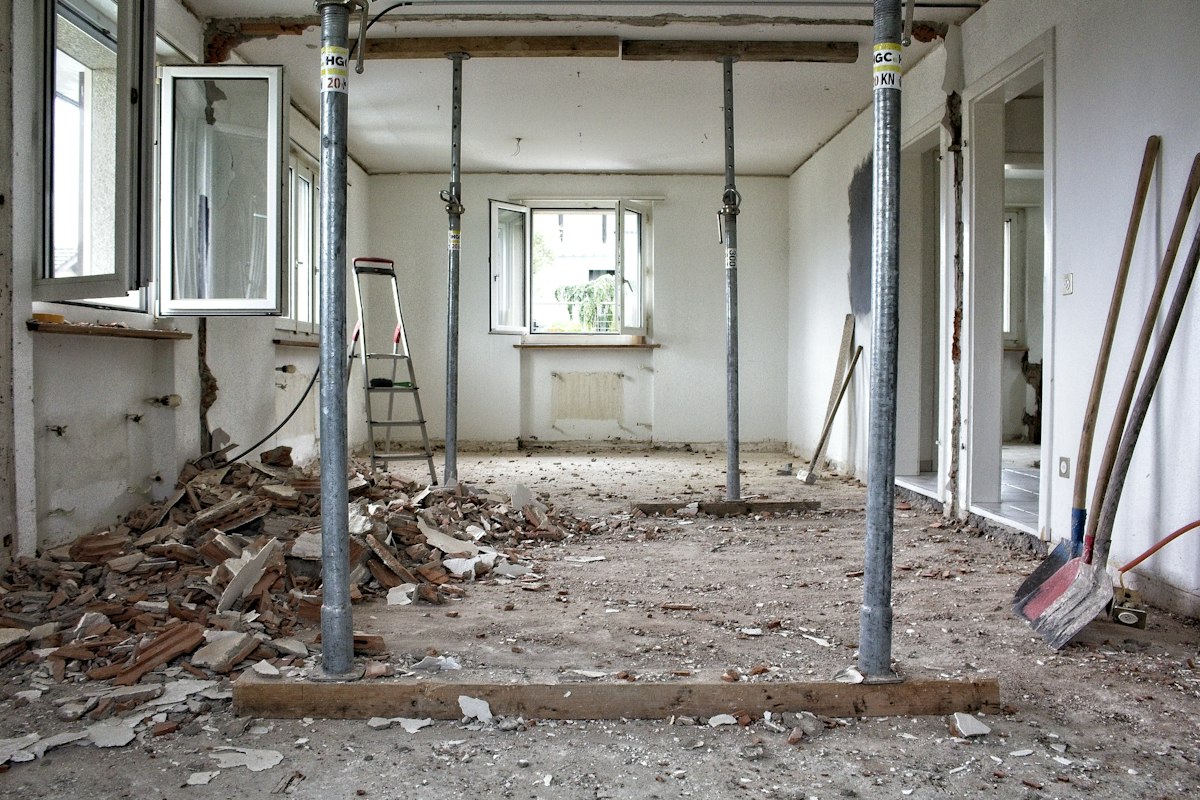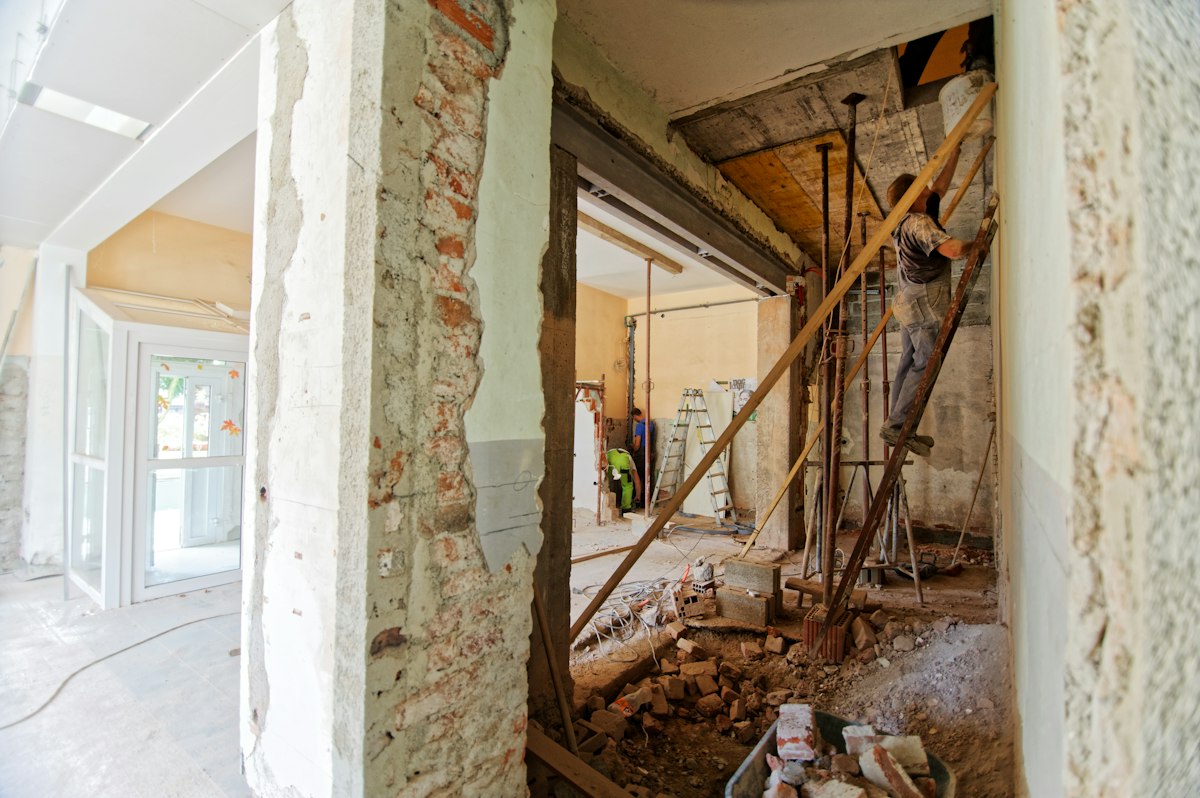
Walk through the room and judge each element by condition, usefulness and how well it fits the next layout. A sound cabinet box or attractive timber door may deserve repair even when nearby finishes need replacement. Age alone is not a reason to remove it.
Ask the contractor to distinguish cosmetic wear from hidden damage. Photograph retained items and agree how they will be protected during the works. Label pieces that must be removed temporarily so hardware and matching trim stay together.
Compare the full cost of restoration with replacement, including preparation and fitting. Preserve materials only when they can perform safely in the finished room. Avoid removing old coatings or suspect materials until the appropriate assessment has been made.
Assess groups of materials together because keeping one component can affect another. Retaining a good worktop may limit access to the cabinets below it, while preserving a timber floor may influence the order of wall work. Ask how each retained element will survive removal, storage and reinstatement. The apparent saving can diminish if a fragile piece needs extensive handling or if its dimensions force a costly compromise elsewhere.
Try a small repair or cleaning assessment before deciding that a surface is beyond use. A specialist may be able to improve a timber finish or repair hardware without replacing the whole object. Equally, a freshly painted surface can hide a weak structure beneath it. Judge the item by its condition and future function, and distinguish an achievable restoration from an optimistic promise based only on how it looks from a distance.
Give every retained item a clear place in the written scope. Specify whether it stays in position, is removed and refitted, or is returned to you for later use. Establish who is responsible for lifting, packaging and reinstalling it. Loose descriptions such as keep existing can conceal very different expectations. Photographs and simple labels help prevent an item intended for reuse from being mistaken for construction waste.
Consider the visual relationship between old and new finishes before demolition narrows the options. Original doors can sit well beside simple new joinery when the colours and proportions are connected. Trying to imitate an old material exactly with a near match may be less convincing than a deliberate contrast. Bring samples together and decide which character should remain visible, rather than preserving an item that will later be hidden behind another finish.
When a retained element fails a technical or safety assessment, let that finding guide the decision. Sentiment and potential savings should not override a qualified assessment of suitability. Record why the scope changed and update adjoining details before replacements are ordered. A thoughtful renovation preserves what still contributes to the home while accepting that some worn or incompatible components need a different solution.
If an item has no clear role in the proposed room, keeping it may only transfer the disposal decision to a later date. Set aside time to decide where retained pieces will actually go. Reuse is most useful when an object can remain functional rather than occupy protected storage indefinitely.
Use these ideas to prepare a brief for your own property. Confirm measurements on site and ask appropriately qualified local professionals about approvals, technical design and work that requires specialist competence.