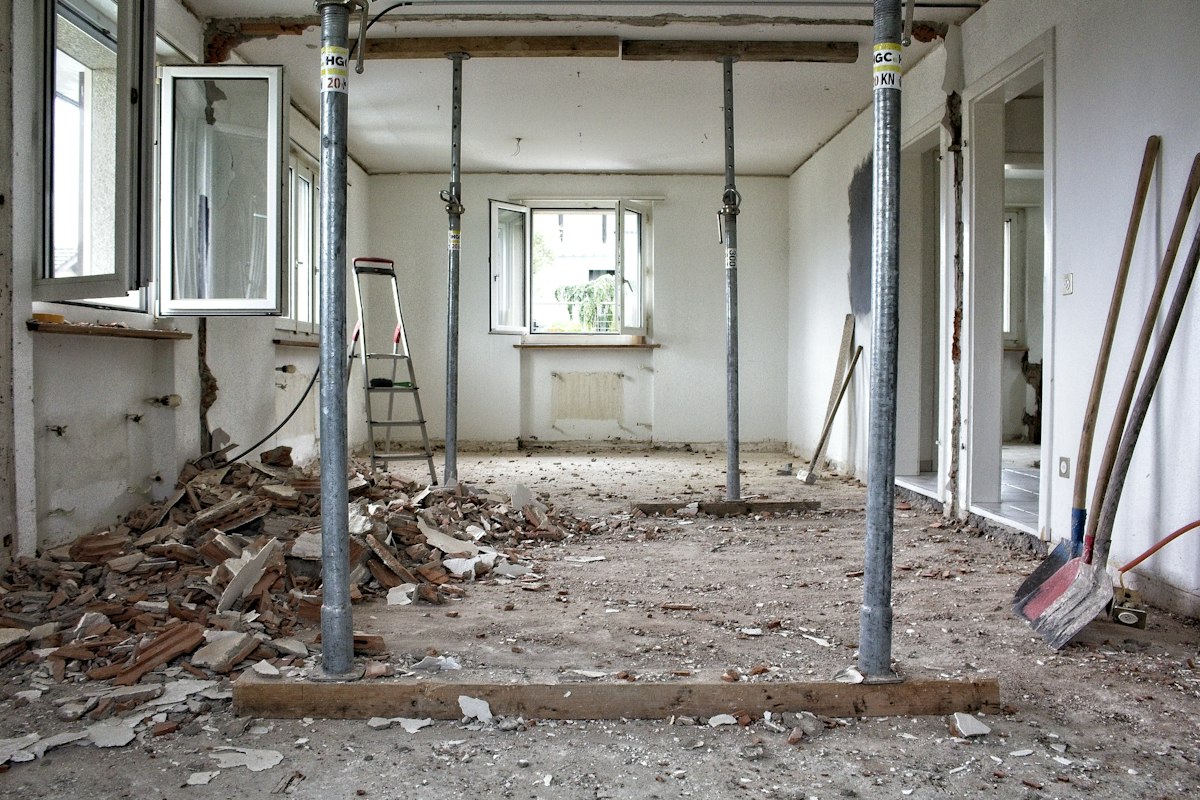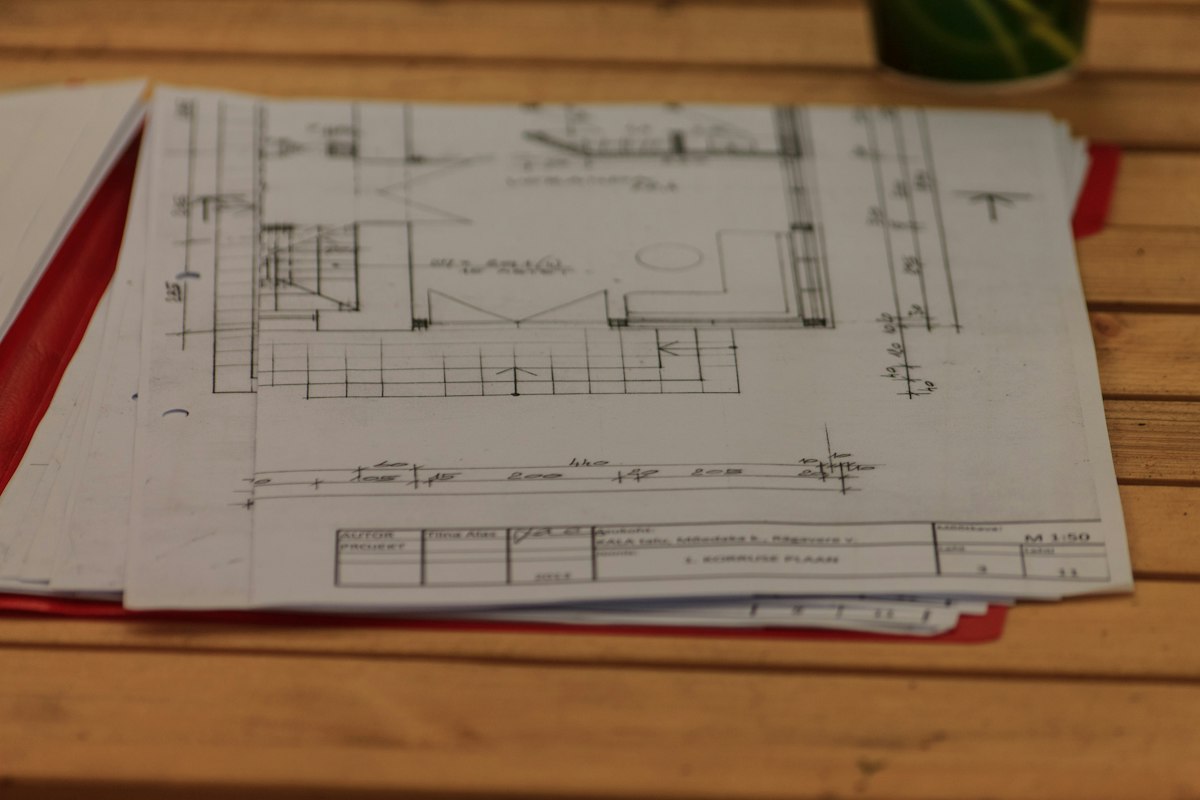
Treat every change as a small decision with consequences for price, timing and adjacent work. Describe exactly what is being added or removed. A casual conversation beside an unfinished wall can otherwise become a different memory for everyone involved.
Ask for written cost and schedule effects before authorizing the work. Include credits for items no longer required and clarify whether materials can still be returned. Save drawings, messages and approvals in one project folder that both decision makers can consult.
Review the running total after each approved change rather than waiting for the final invoice. Photograph concealed work before it is covered when access is permitted. Clear records support future maintenance and make the final handover easier to understand.
Choose a single place to record changes even if discussions happen through several channels. A message, marked drawing or site conversation can all be useful evidence, but the running change record should state the final decision clearly. Give each item a short name and connect it to the relevant room or drawing. This prevents a rejected suggestion from later being mistaken for an instruction to proceed.
Describe the complete change, including what is no longer required. Replacing one cabinet arrangement with another may alter the worktop, handle quantity and electrical position as well as the cabinet itself. Ask the contractor to identify those connected effects. A variation that accounts for additions but omits credits can make the project cost harder to understand and compare with the original scope.
Do not treat silence or an informal reaction as approval. Establish who can authorize spending and how that approval is recorded. If several household members are involved, agree one route for instructions so trades receive a consistent decision. An urgent issue can still be documented promptly, with the reason for the action and any cost or timing uncertainty made visible.
Review drawings and procurement records after a change is approved. An installer may otherwise work from an earlier elevation while the supplier ships the revised component. Identify the current version and remove superseded documents from active use without losing the project archive. When a change affects another trade, confirm that the information has reached that person before their work begins.
Use the record at handover to explain what was actually installed. Keep relevant product substitutions, photographs and correspondence beside the approved decision. A later maintenance question may depend on a small change that was obvious during construction but forgotten afterward. A clear history supports a more useful finished home and reduces disagreements about why the final result differs from the first proposal.
A useful change record should explain the decision well enough for someone returning to the project later. Include whether a sample was approved or only requested for comparison. That small distinction can prevent a preliminary idea from becoming an order before its cost and compatibility have been assessed.
Use these ideas to prepare a brief for your own property. Confirm measurements on site and ask appropriately qualified local professionals about approvals, technical design and work that requires specialist competence.