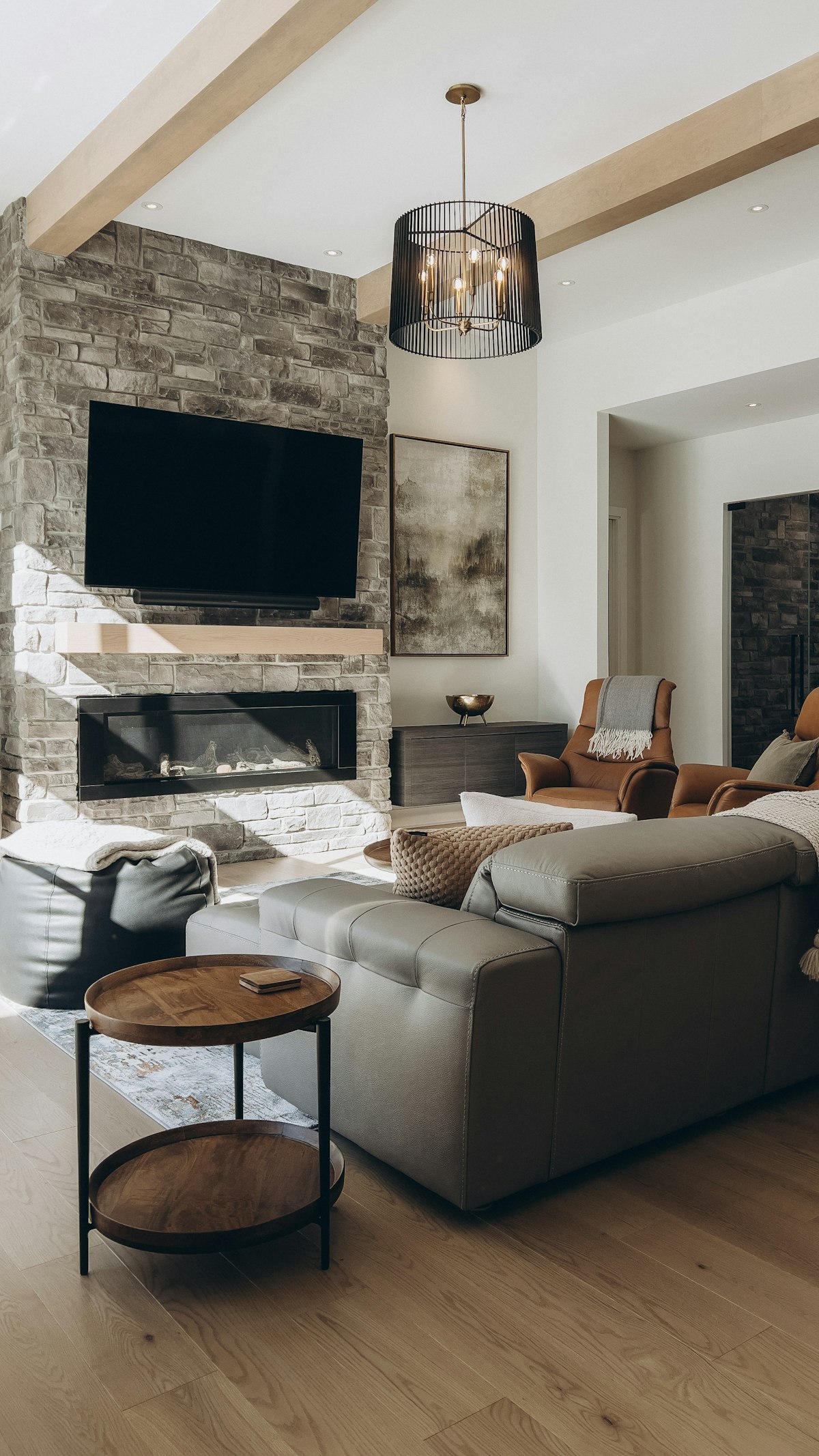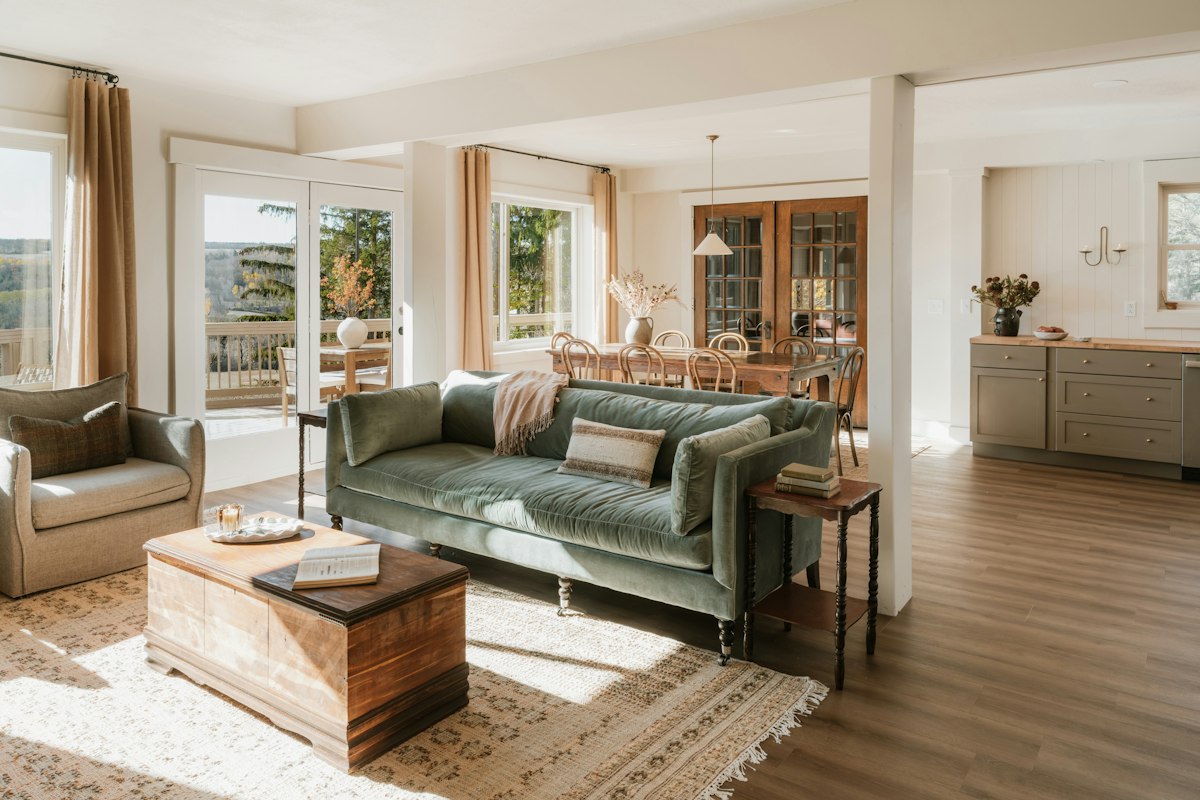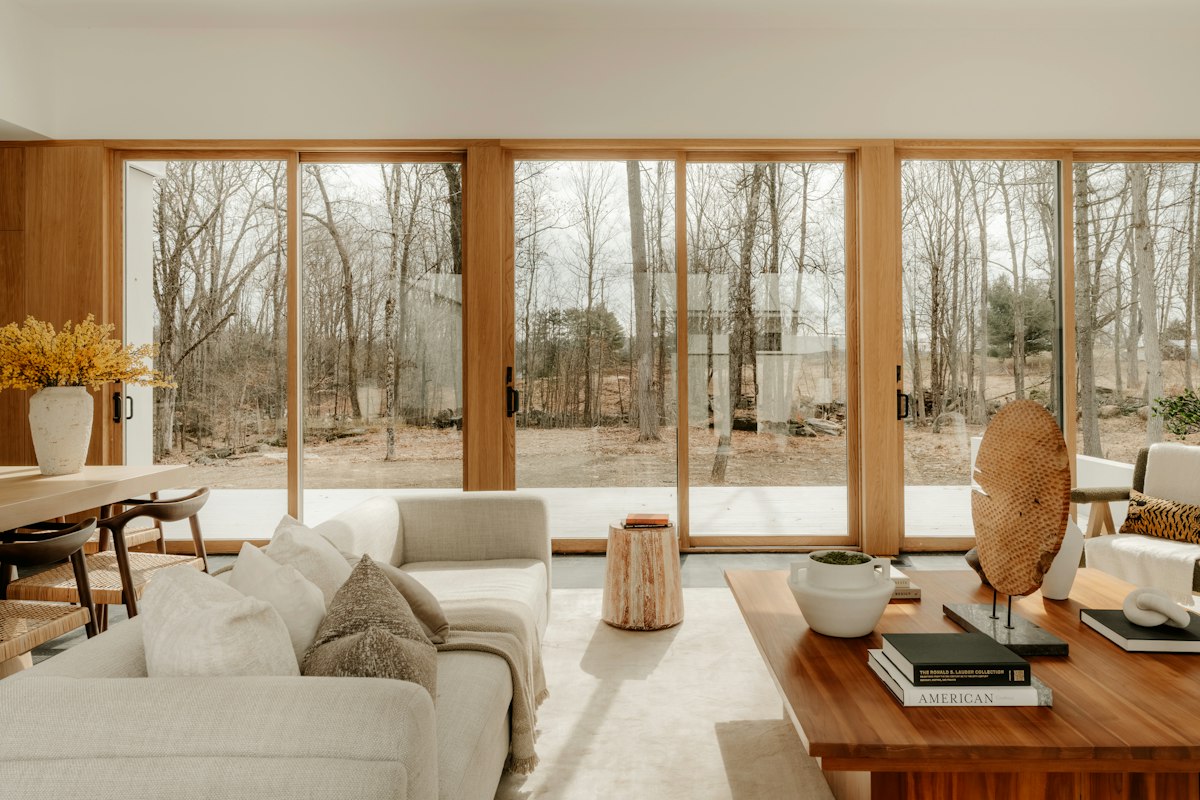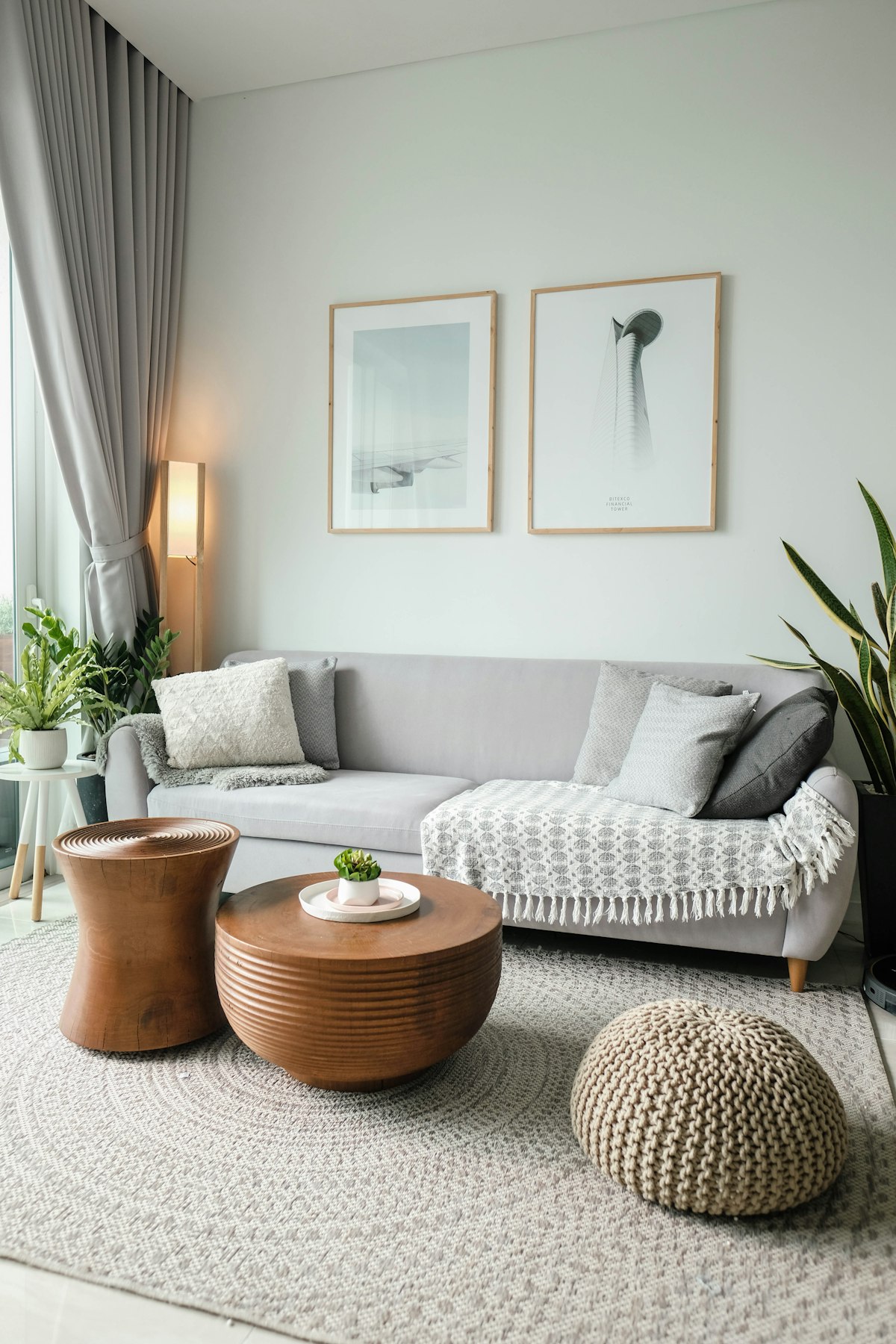
Use the seating arrangement to set the rug size. A rug should relate to the main furniture rather than sit as an isolated small rectangle in the center. Mark possible sizes on the floor and check how each one changes the balance of the group.
Consider door clearance, the floor finish and a suitable rug pad. Confirm compatibility because some backings can affect certain surfaces. Choose pile and material according to cleaning needs, pets and the amount of traffic through the room.
View colours alongside the sofa and curtains in natural light. Pattern can hide ordinary variation while a quiet surface can support other stronger elements. Keep edges flat and remove slipping or curled corners so the rug remains comfortable to walk over.
Begin by marking the seating group rather than the empty centre of the room. The rug should have a clear relationship to the sofa and chairs that use it. Try a paper outline of the proposed size and look at it from several approaches. A rug that seems generous when viewed alone may look isolated once furniture is arranged around it. The useful question is whether it connects the group in a way that feels comfortable and intentional.
Compare the positions of the furniture feet and the visible border around the group. There is no single arrangement that suits every room, but an accidental mixture can make the rug appear unrelated to the seats. Check the furniture stability in the proposed position and follow appropriate guidance for the floor and rug. Consider how chairs move during use. A carefully styled layout is less useful if a chair constantly catches an edge when someone stands up.
Think about the routes that cross the rug and the doors that may pass over it. Pile, edge construction and any suitable underlay can affect everyday use. Ask the supplier about compatibility with the actual floor finish, including any care restrictions. Do not choose an underlay only because it feels thick or promises extra softness. Its role is to support the chosen rug appropriately without creating a problem for the surface beneath it.
Use pattern in relation to what the room already contains. A quieter rug can connect a patterned sofa and detailed curtains, while a stronger design may give character to simple furniture. View a sample with the other textiles and consider the full pattern repeat. A tiny corner cannot show whether a large motif will dominate the room. Judge the rug as a substantial surface that changes the whole seating area rather than as another small accessory.
Plan for ordinary care before committing to the material and size. Moving a very heavy coffee table may make cleaning a large rug difficult, and a sensitive finish may require a routine the household cannot sustain. Ask how spills and periodic cleaning should be handled for the exact product. Keep the care information. The right rug contributes comfort and visual connection while remaining manageable in the room that will actually be lived in, including its busiest and messiest days.
Measure your own room and check furniture, fixing and care instructions before buying. Have heavy wall mounted items and permanent electrical changes assessed by competent professionals where the installation requires it.