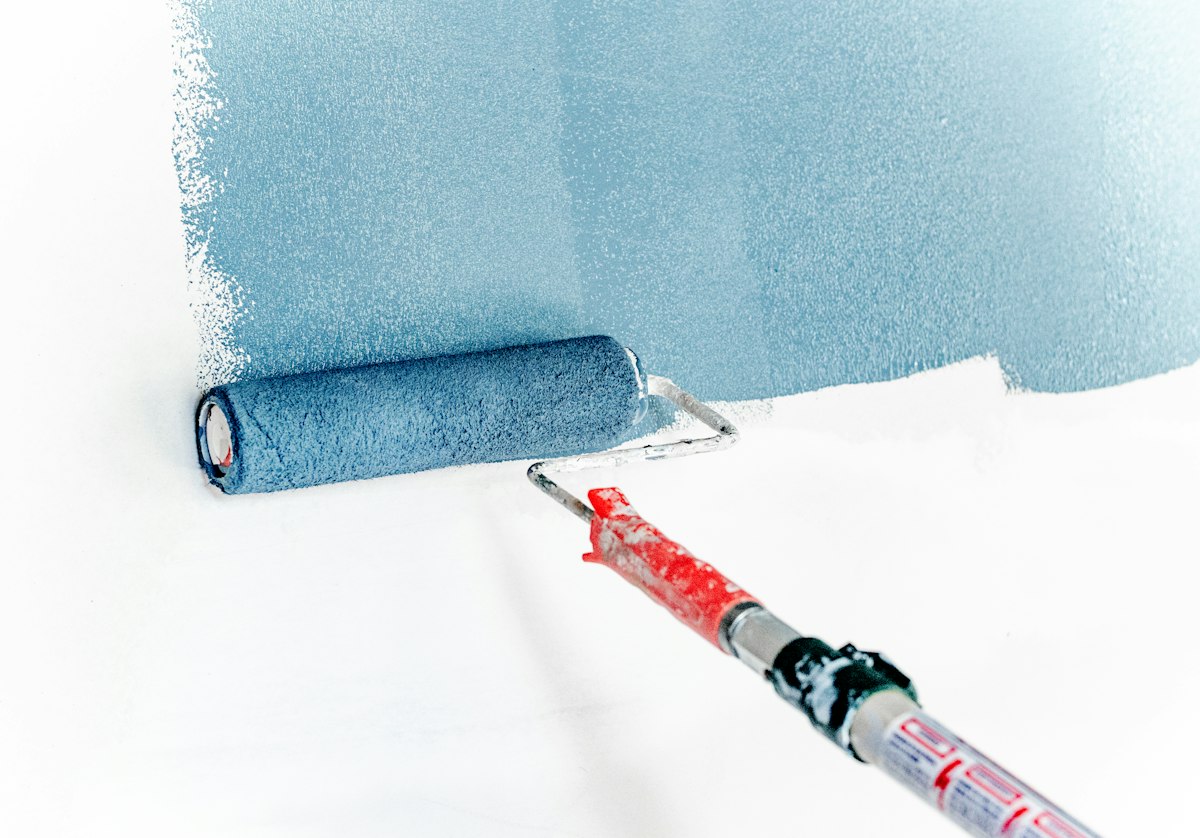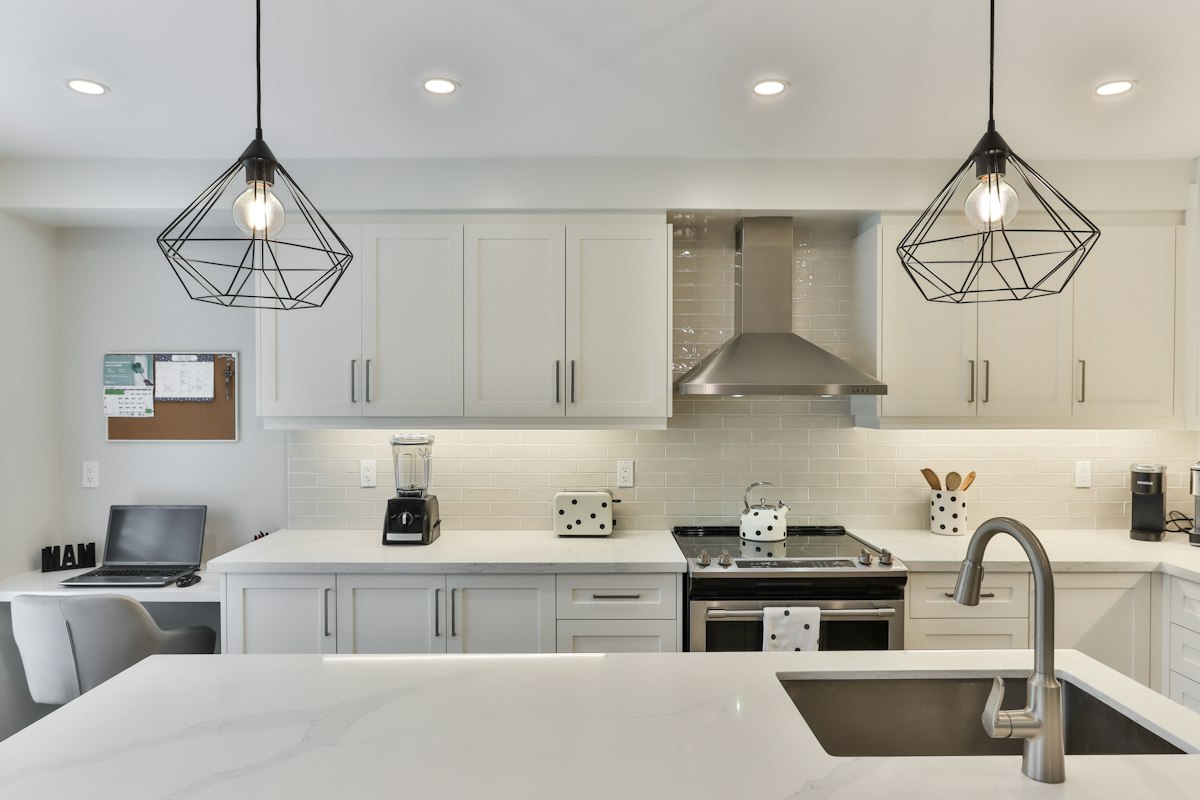
Read the coating or cabinet supplier care instructions before cleaning newly finished doors. Painted surfaces may require a curing period before they tolerate normal washing. Use approved products and soft methods rather than assuming a stronger cleaner produces a better result.
Wipe spills promptly and dry areas around handles and edges where moisture collects. Avoid repeated steam exposure from appliances unless the installation guidance explicitly accommodates it. Inspect chips and loose fittings before ordinary wear develops into a larger problem.
Keep paint and finish references for touchups, noting that a local repair may remain visible on some surfaces. Ask the original finisher about significant damage. Consistent gentle care is usually more useful than occasional aggressive attempts to restore a neglected coating.
Find out which coating system is actually on the doors before adopting a cleaning routine. A factory applied finish and a later painted refurbishment may come with different instructions. If the cabinets were refinished, ask the painter to provide the product details and relevant waiting periods. The colour name alone is not enough to determine how the surface should be treated.
Give particular attention to the areas people touch repeatedly. Handles, drawer edges and doors near the sink often collect moisture and residues that are less obvious across the main panel. Use an approved soft method and avoid scrubbing one small spot aggressively. Local changes in sheen can remain noticeable even after the original mark has been removed.
Check the position of appliances that release heat or steam during ordinary use. Follow the installation guidance for both the equipment and surrounding cabinetry. A protective accessory does not automatically make an unsuitable position acceptable. Ask a competent installer about recurring exposure rather than accepting repeated paint deterioration as an unavoidable part of using the kitchen.
When a mark does not respond to routine approved care, identify what it is before trying another product. Abrasion, staining and a damaged coating may need different responses. Photograph the concern and ask the supplier or original finisher for advice. Avoid stacking several cleaning treatments on the same area, since this can make the cause and any later repair harder to assess.
Inspect the cabinet condition as well as the paint. Swelling, loose edges or moisture around a joint can indicate a problem that another coat will not solve. Address leaks or defective fittings before arranging cosmetic repair. A sound cabinet with a small worn patch presents a different maintenance decision from a cabinet whose underlying material has begun to deteriorate.
Keep the coating reference and ask what a realistic touchup can achieve. A small repair may differ from the surrounding finish because of age, application or reflection. For more extensive work, discuss preparation and safe assessment of uncertain old coatings with an appropriate professional. Gentle routine care supports the finish, while substantial repair needs a method suited to its actual condition.
Always use the guidance for the exact product and finish in your home. Seek a qualified assessment before disturbing uncertain old materials, and do not treat general care advice as a substitute for diagnosing damage.