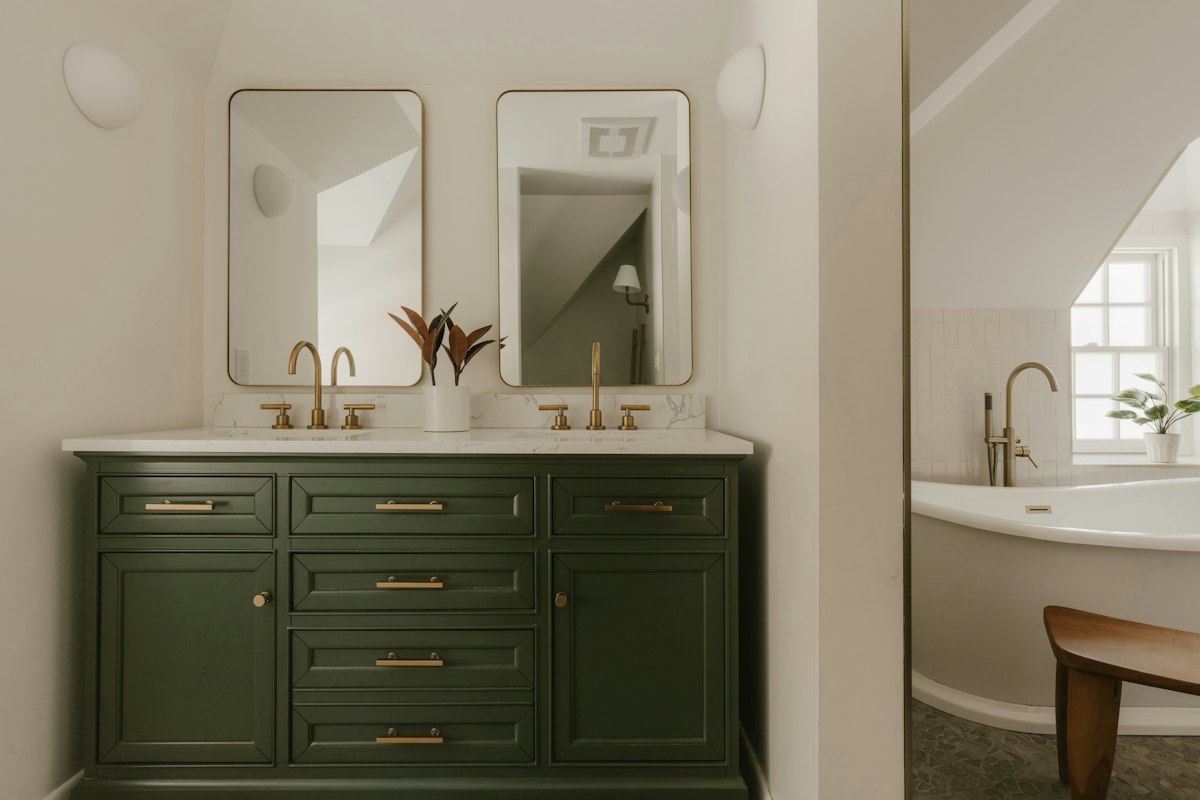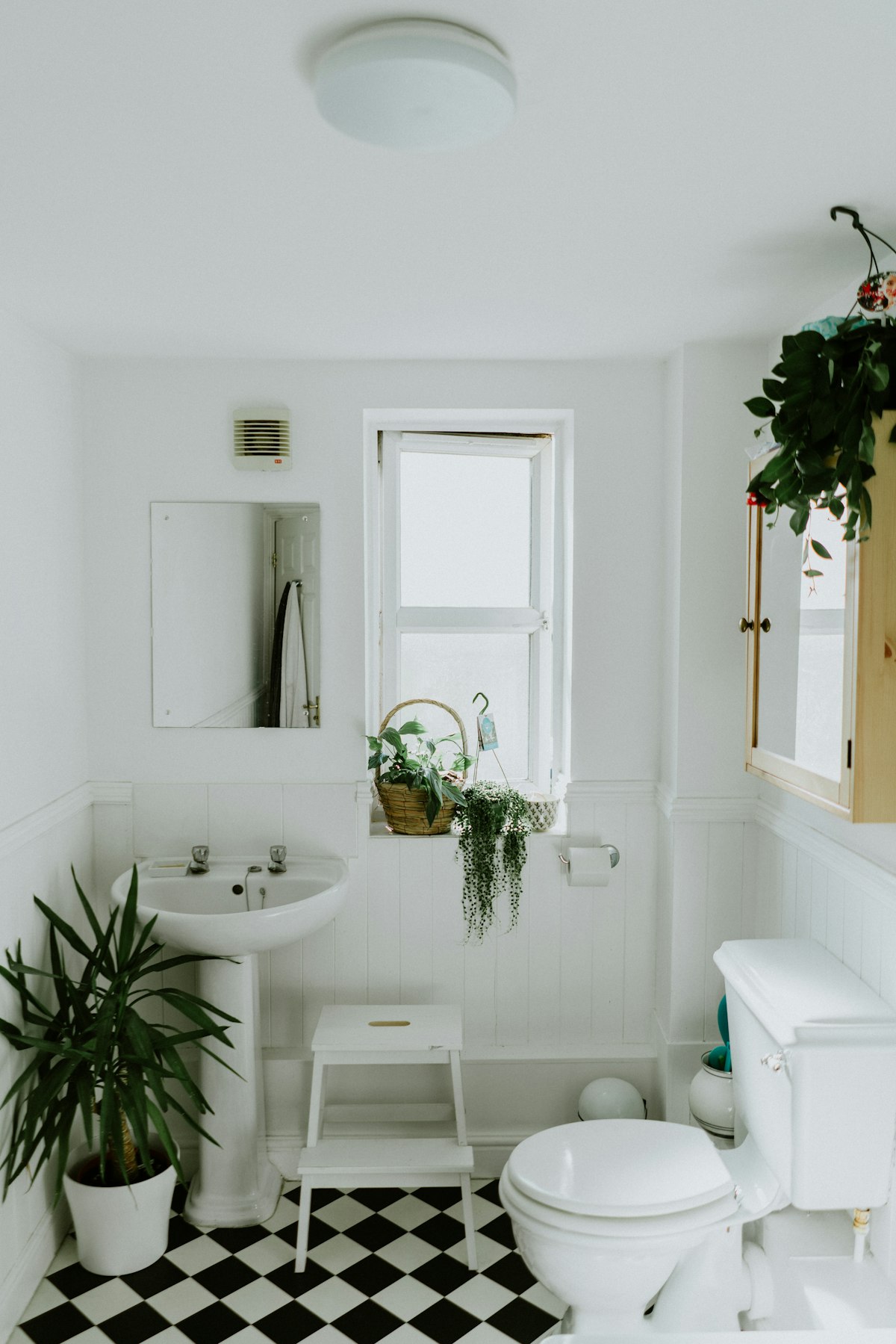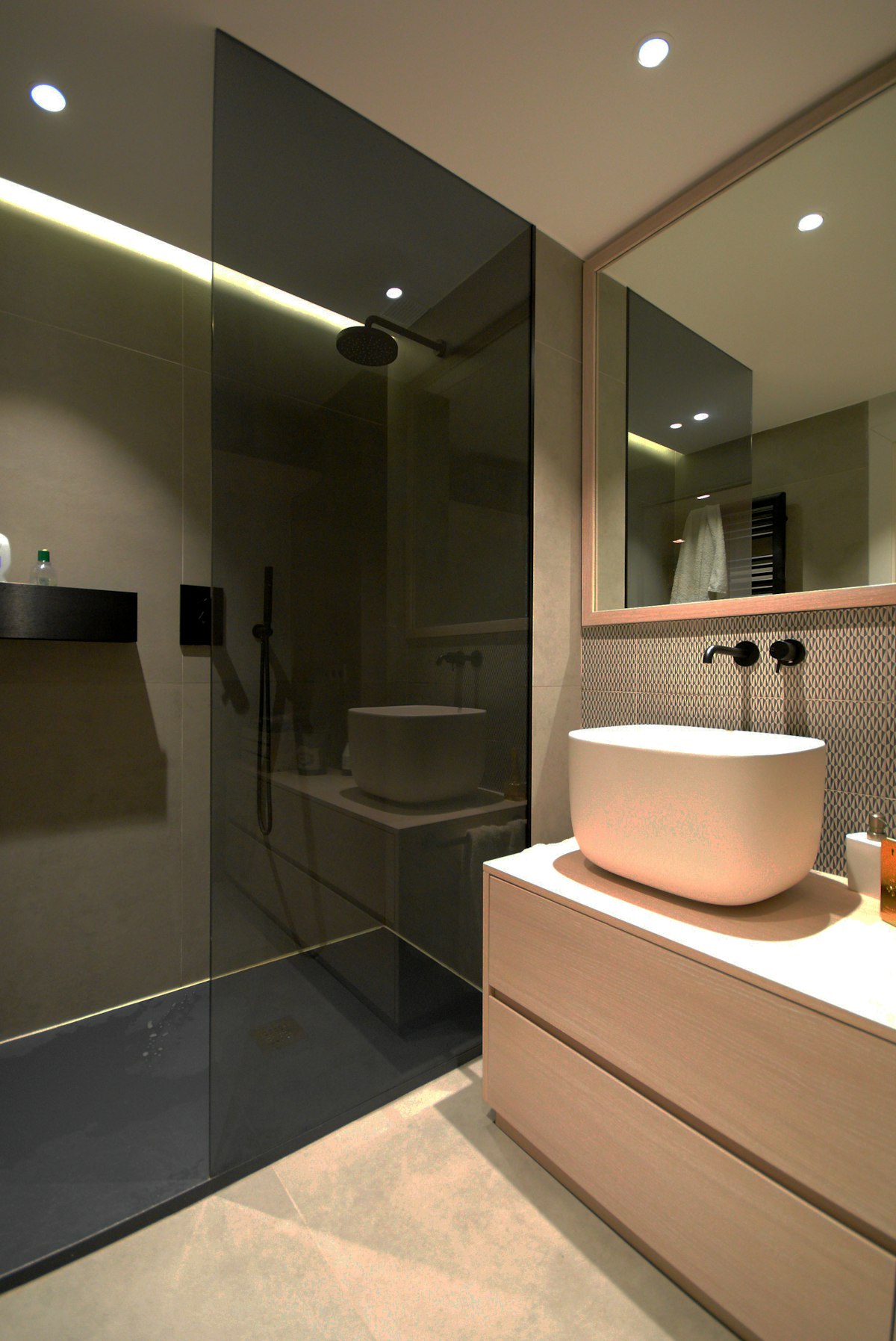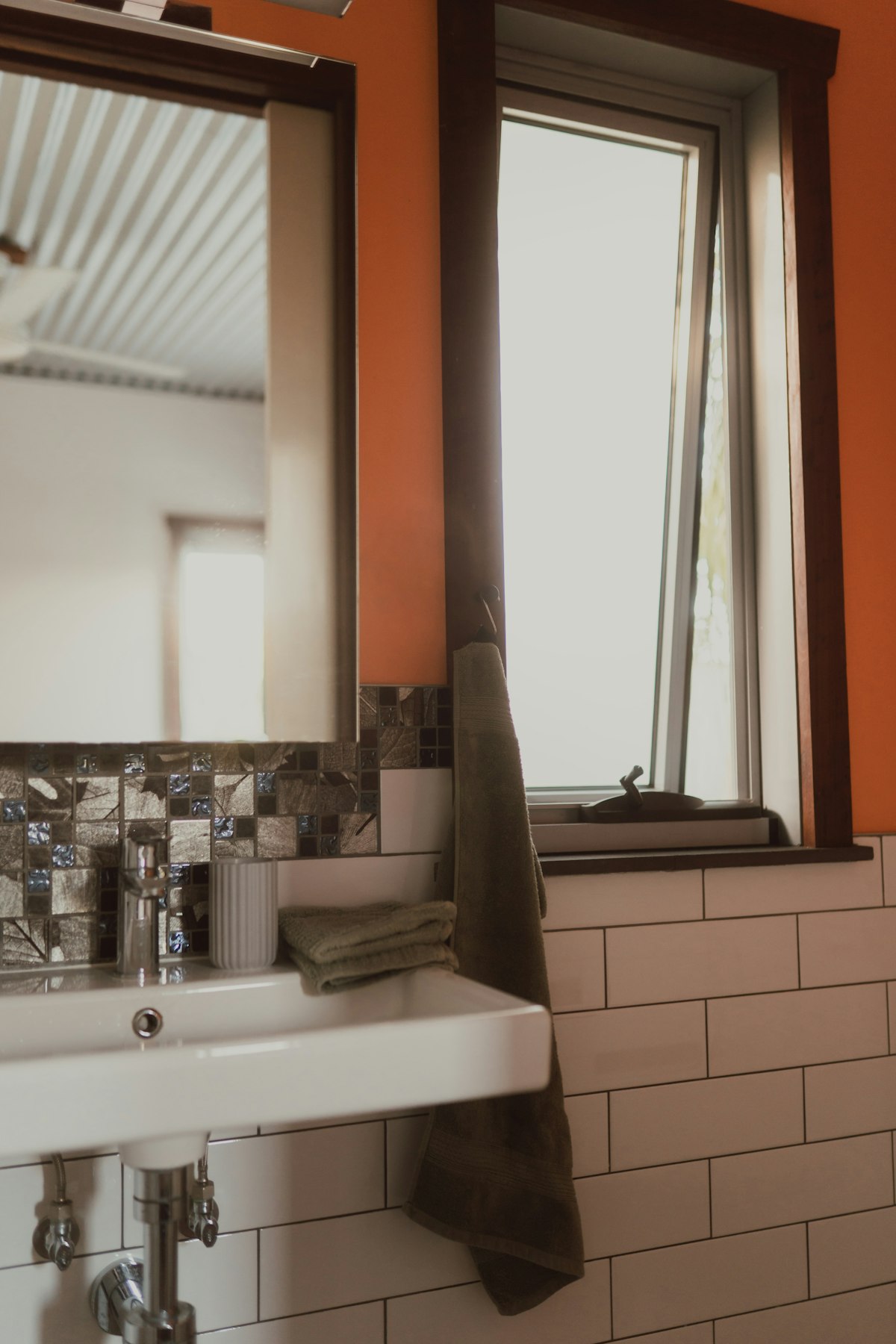
Give guests a clear place for a towel, spare paper and essential toiletries. Keep everyday items visible enough to find without opening every cupboard. A small room can feel welcoming through useful details rather than a large collection of decorative objects.
Check the lighting, lock operation and ventilation before focusing on styling. Provide stable storage that does not reduce the route to fixtures. A mirror and a modest washable surface may be more valuable than an extra cabinet in a very small space.
Use materials that tolerate the expected cleaning and moisture. Avoid strong fragrance as a substitute for ventilation or cleanliness. A guest bathroom works best when its basic functions are obvious and the room can be refreshed quickly between visits.
Imagine arriving in the bathroom without knowing the household routine. The hand towel, soap and spare paper should be easy to recognize, and the main light and lock should operate clearly. A guest should not need to search through private belongings to find an ordinary necessity. Keep the arrangement modest and obvious. Clear functions can make even a small or older bathroom feel more welcoming than a room filled with decorative objects that obscure practical items.
Allocate a little dry space for the belongings a guest brings into the room. A stable shelf or suitable clear surface may be enough, depending on the layout. Avoid placing storage where it narrows the approach to the toilet or catches an opening door. If the room is very small, a deliberately clear part of the existing vanity may serve better than adding another piece of furniture. Convenience should be considered from the visitor's position.
Choose a supply level that suits the frequency of use. An occasional guest room may need only a few clearly placed essentials, while a frequently used downstairs bathroom requires a more reliable replenishment routine. Avoid opening many products simply to create the appearance of a hotel display. Store reserves somewhere dry and check them between visits. A restrained supply is easier to keep clean, current and accessible than a crowded basket of forgotten toiletries.
Test the room at the times guests are likely to use it. Lighting that feels acceptable in daylight may leave a dark route at night, and a stubborn lock may be unfamiliar or difficult for someone else to operate. Arrange any repairs with the appropriate person before focusing on accessories. Ventilation and normal cleaning should provide a pleasant environment without relying on strong fragrance. Comfort comes from the room performing reliably for an unfamiliar user.
After a visit, notice what needed explaining or what was difficult to find. That information can guide a useful small change, such as a clearer towel position or a better place for spare paper. Keep personal medicines and unsuitable cleaning products stored appropriately away from casual access. The aim is a room that is simple to understand and easy to prepare again, with hospitality expressed through practical care rather than a complicated collection of items to maintain.
A bathroom must be assessed as a complete installation. Confirm product suitability, waterproofing, ventilation and applicable local requirements with qualified installers before beginning work or purchasing fitted components.