Prepare a clear sleeping space before adding decorative details. Check the bed condition, available light and the route to the door. Give visitors somewhere to place a bag and hang a few clothes without needing to empty the whole room.
Provide a reachable bedside surface and explain any unfamiliar controls. Keep leads and loose rugs out of the walking route. A usable curtain or blind can matter more for comfort than a large collection of matching accessories.
Assess the room from the visitor point of view rather than from its normal household use. Check where a bag can be opened, which storage is clearly available and how someone unfamiliar with the home will find the door after dark. These practical details may matter more than coordinating every visible accessory.
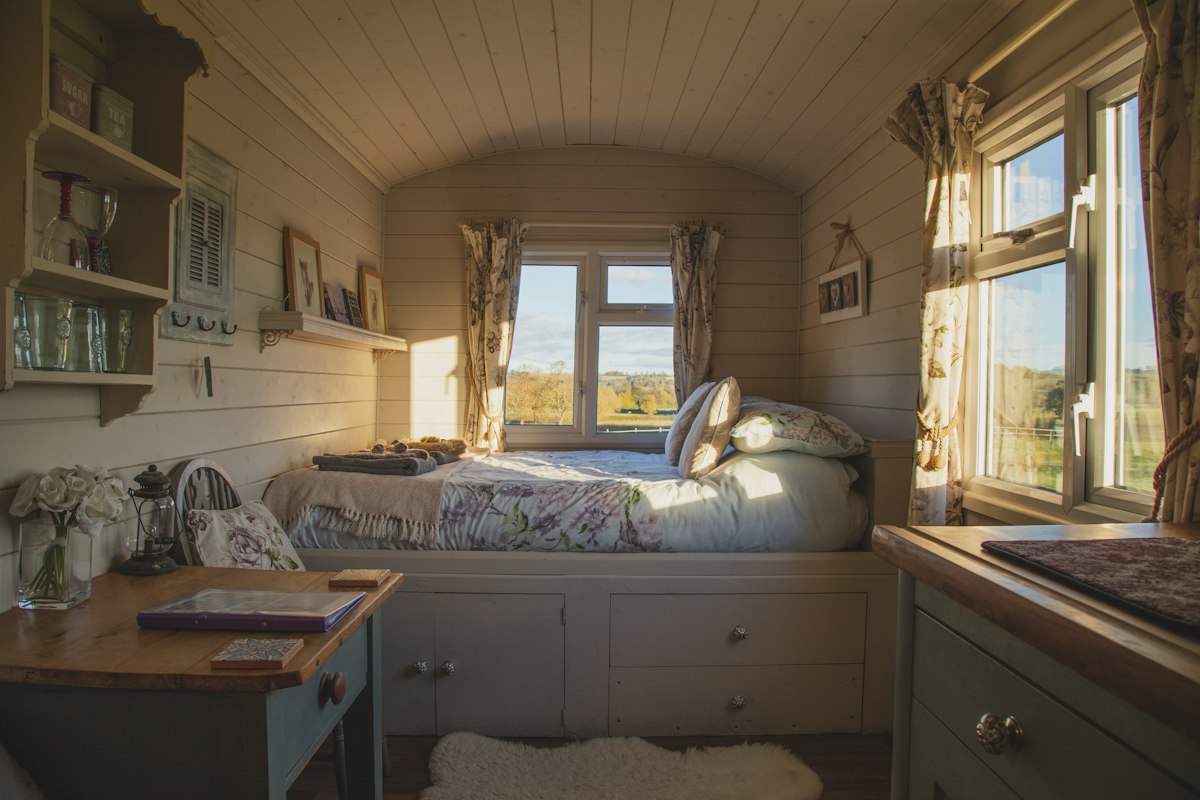
Check the sleeping furniture before adding new bedding. Follow assembly and maintenance instructions and address loose or damaged parts appropriately. If the room uses a convertible bed, open it fully and test the surrounding route. A generous looking room in its daytime arrangement can become cramped once the guest mattress is in use.
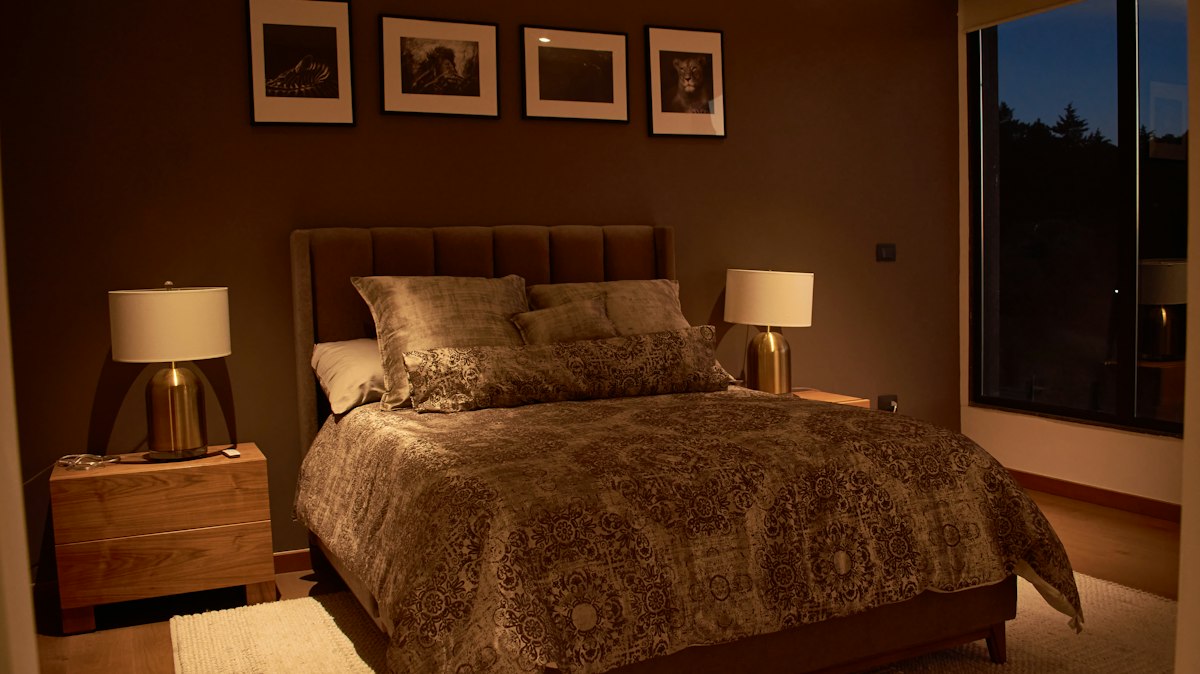
Provide a convenient place for a phone, glasses and water without requiring a reach across a lamp. Keep the surface stable and proportionate to the available space. A simple small table can work better than a decorative stool with an uneven top. Check that electrical equipment can be used according to its instructions without trailing leads across the floor.
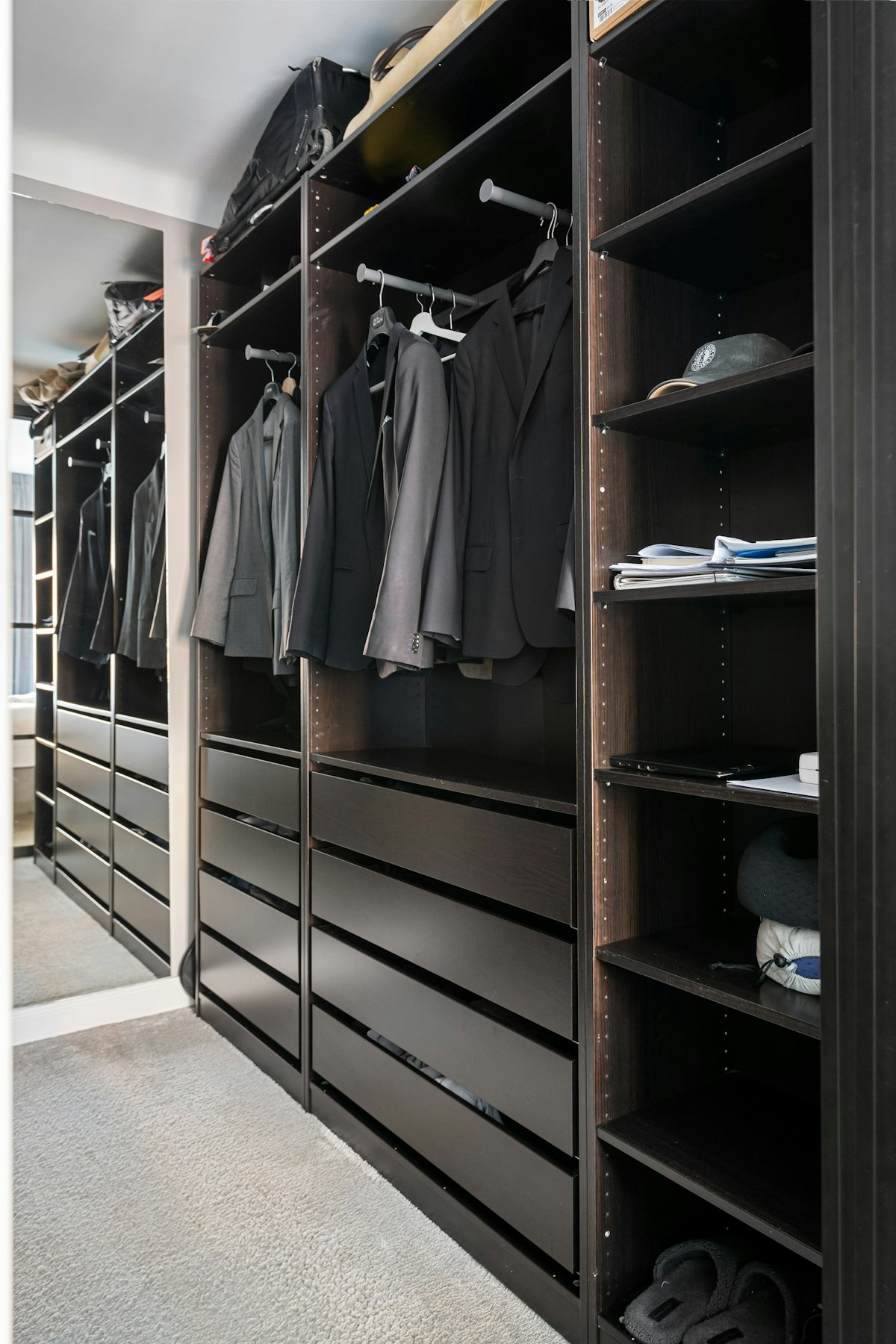
Give visitors an obvious place for a few clothes. This may be a clear drawer, part of a rail or a suitable hook rather than an entire empty wardrobe. Make sure stored household items do not block access to it. Avoid filling every surface with decorative objects that guests must relocate before they can unpack.
Test window coverings for privacy and ordinary operation. Explain unfamiliar controls where needed and keep any required safety guidance available. A guest should be able to manage light without moving furniture or reaching behind a headboard. Check the room at night as well as during a bright daytime tidy up.
Prepare bedding and towels according to their care labels and keep spare items together where they can be found easily. Check sizes against the actual mattress instead of assuming that an older spare set will fit. Limit decorative layers to what can be put aside conveniently. The room should remain comfortable when used naturally rather than carefully staged.
After a visit, note any repeated request or difficulty, such as a missing reachable lamp or an awkward place for luggage. Use that feedback to improve a small functional detail before buying more decoration. A welcoming room becomes better through practical use, even when its basic furniture remains unchanged.
Store clean bedding and towels together so the room can be prepared quickly. Leave some space for visitors belongings rather than using every cupboard for household overflow. A welcoming spare room is easy to understand and comfortable to use.
Check dimensions against your room and follow furniture anchoring, textile care and electrical safety instructions. Use a competent installer for uncertain wall fixings and appropriately qualified help for permanent service changes.