Walk through the finished work with the agreed scope and record outstanding items clearly. Look at surfaces in normal daylight and under the installed lighting. Operate doors, drawers and fittings rather than judging the project only from the doorway.
Ask the contractor to explain controls, maintenance and any limits on early use. Collect warranties, product references and required certificates where applicable. Note each unresolved item with a photograph, location and agreed responsibility so nothing depends on memory.
Follow the contract process for completion and payment rather than inventing a new arrangement at handover. Store documents and spare materials together. A thorough walkthrough helps the room move from a construction project into a home you can maintain confidently.
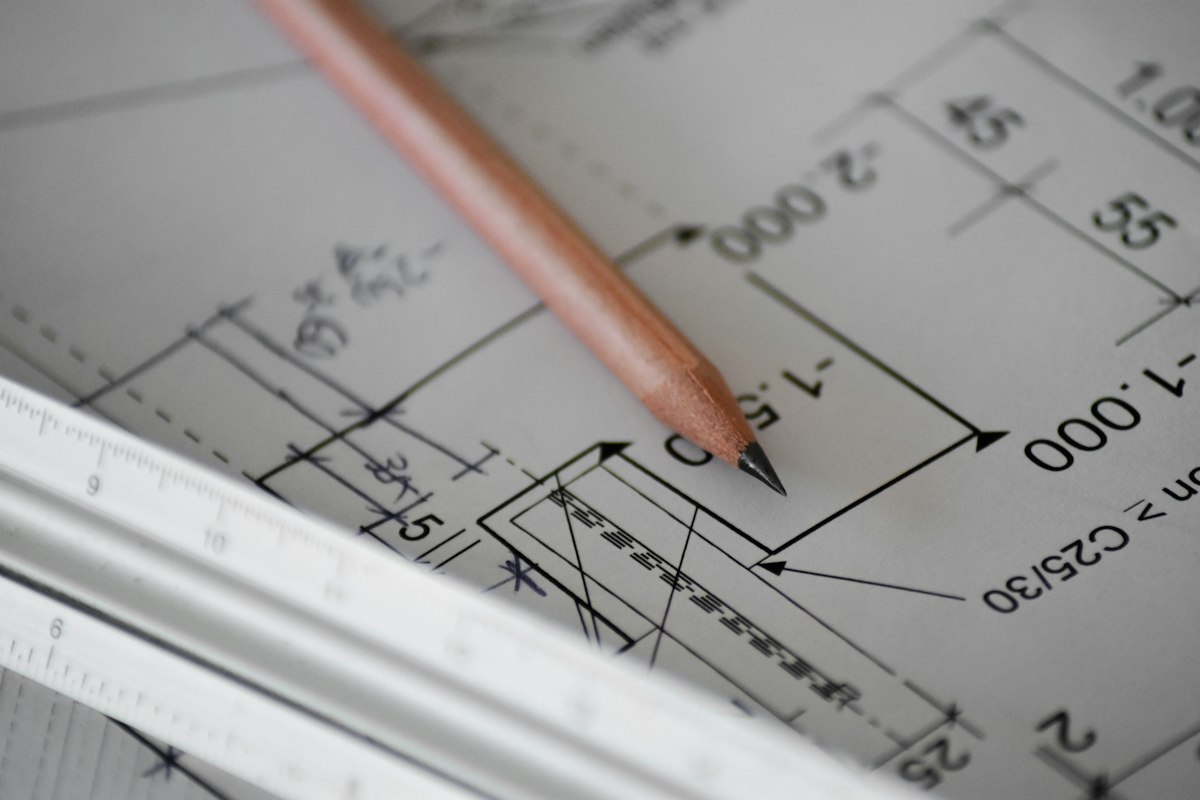
Bring the accepted scope, current drawings and change record to the walkthrough so the inspection has a clear basis. Review the rooms in a consistent order and identify each concern by location. Avoid relying on a general statement that the finish feels incomplete. A photograph and a precise description give the contractor something specific to assess and make the outstanding item easier to track.
Operate the equipment and moving parts under ordinary conditions. Open cabinet doors fully, check that drawers remain usable beside adjacent furniture and ask how controls should be set. A room can look complete while still containing a practical conflict that becomes obvious through use. Keep specialist testing and certification with the appropriate qualified people rather than substituting your own visual check for their verification.
Look at the interfaces between materials as well as the large central surfaces. Thresholds, exposed cabinet ends and the junction around a basin can reveal unresolved details. Discuss what is cosmetic, what needs adjustment and what requires further assessment. Follow the agreed contract process for identifying and addressing concerns instead of making unauthorized repairs that could complicate responsibility.
Collect the maintenance information that belongs with the finished installation. Product references, warranty terms, spare materials and required documents should be connected to the correct room. Ask about any curing periods or early use restrictions and make sure the household understands them. A handover is incomplete if the room is available but the owner does not know how to operate or care for its new components.
Agree how outstanding items will be followed up and who should be contacted if an issue appears later. Record the arrangement and retain the relevant correspondence. Make payments and completion decisions according to the agreement and applicable requirements, seeking local advice if a dispute arises. A thorough final review helps turn a construction project into a home you can use and maintain with confidence.
Write each outstanding item so it can be checked off objectively. Replace a vague note about an untidy corner with its location and the finish or adjustment requiring attention. Clear descriptions help the followup visit address the actual concern without another round of interpretation.
Use these ideas to prepare a brief for your own property. Confirm measurements on site and ask appropriately qualified local professionals about approvals, technical design and work that requires specialist competence.