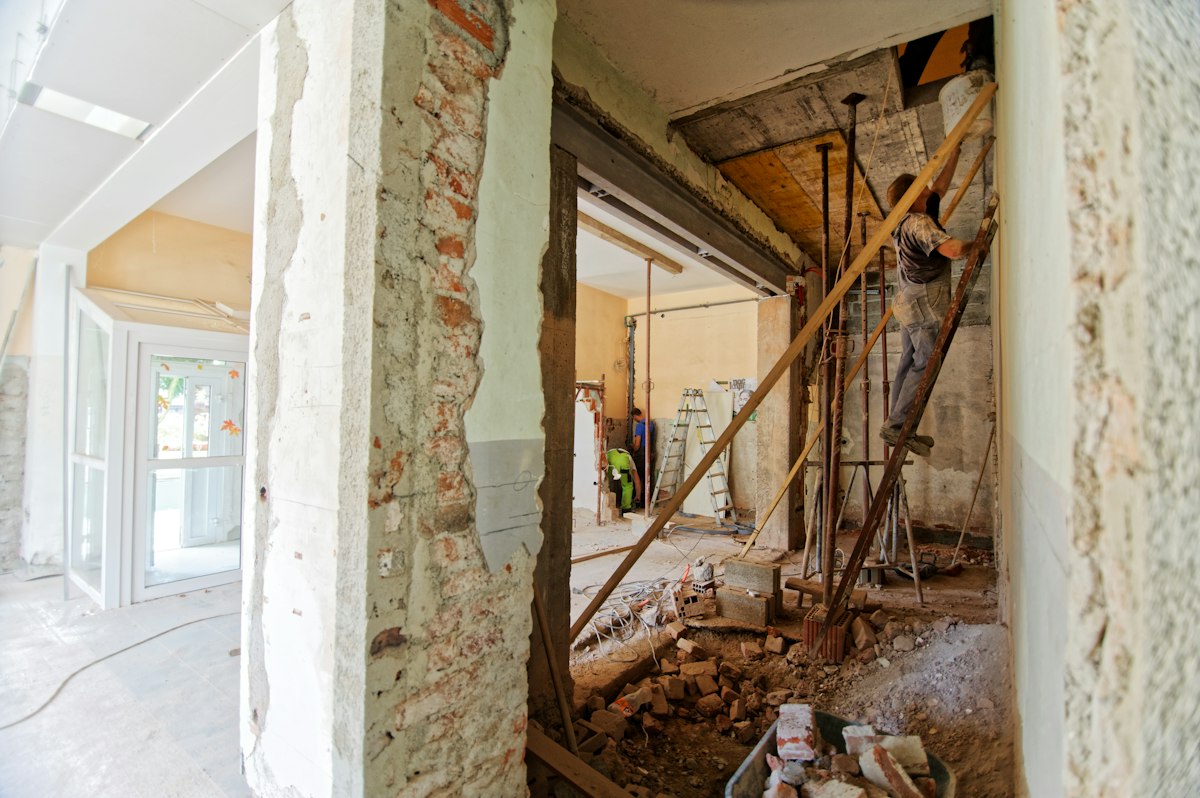
Measure each wall at floor level and again where cabinets or furniture will sit. Older rooms are rarely perfectly square. Mark door widths, window heights, radiators and permanent obstructions on a simple drawing before choosing a layout.
Record the direction of every door swing and the position of outlets and switches. Photograph the room from each corner and label the pictures to match your sketch. These details help a designer spot conflicts that a floor area alone cannot reveal.
Check large items against the route into the home as well as their final position. Narrow stairs and tight hallway turns can prevent a delivery. Confirm critical dimensions on site before ordering anything that cannot be returned or adjusted.
Use a consistent measuring method and write dimensions immediately beside the correct wall. A sketch does not need to look professional, but its orientation must be clear. Name the entrance and number the walls so later photographs can be connected to the drawing. Recheck an unexpectedly large difference instead of silently correcting it to make the room appear square. The mismatch may be important to the way fitted furniture or flooring is installed.
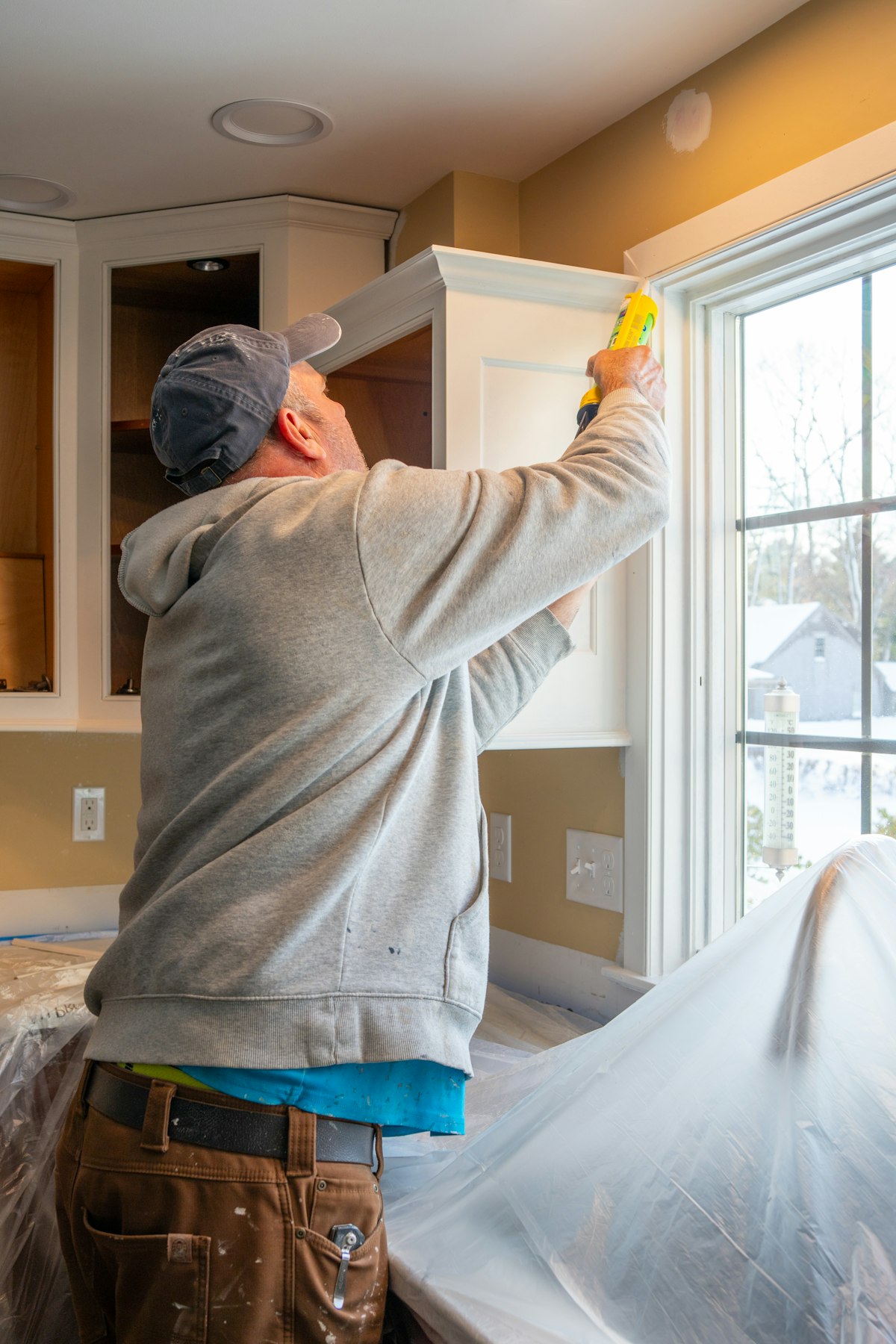
Measure the useful opening of a door as well as the frame around it. Record the height of sills, the position of handles and the depth of features that project into the room. Include pipes or boxed services that a casual photograph might disguise. For a cabinet beside a window, the distance between the wall and the trim can be more important than the total room width, particularly when the door or curtain needs space to operate.
Separate overall dimensions from the dimensions that control a particular purchase. A rug needs a relationship to the seating group, while a fitted wardrobe needs accurate information about its installation location. Mark the floor level changes and note where a wall appears bowed. Do not use an early household sketch as a fabrication drawing. A supplier or installer should verify critical measurements before custom components are made.
Allow for the activity around an object, not just its physical footprint. Draw the space occupied by a chair when someone stands up, the path of a wardrobe door and the extension of a drawer. Removable paper shapes can help test these relationships on the floor. This exercise often reveals that a slightly smaller piece of furniture provides more useful comfort than the largest item that technically fits between two walls.
Keep one clearly identified measurement record and correct it when the room changes. If a wall receives new lining or a floor is raised, the earlier dimensions may no longer describe the finished space. Tell the relevant supplier before an order proceeds. A second check at the appropriate stage costs less effort than trying to modify an item whose final size was based on a room that existed only before construction began.
When two measurements appear inconsistent, repeat them from the same reference points and note the result. Do not adjust the drawing simply to make the numbers agree. Ask the installer to resolve any dimension that controls a fitted order, particularly where the finished wall or floor thickness will change.
Use these ideas to prepare a brief for your own property. Confirm measurements on site and ask appropriately qualified local professionals about approvals, technical design and work that requires specialist competence.