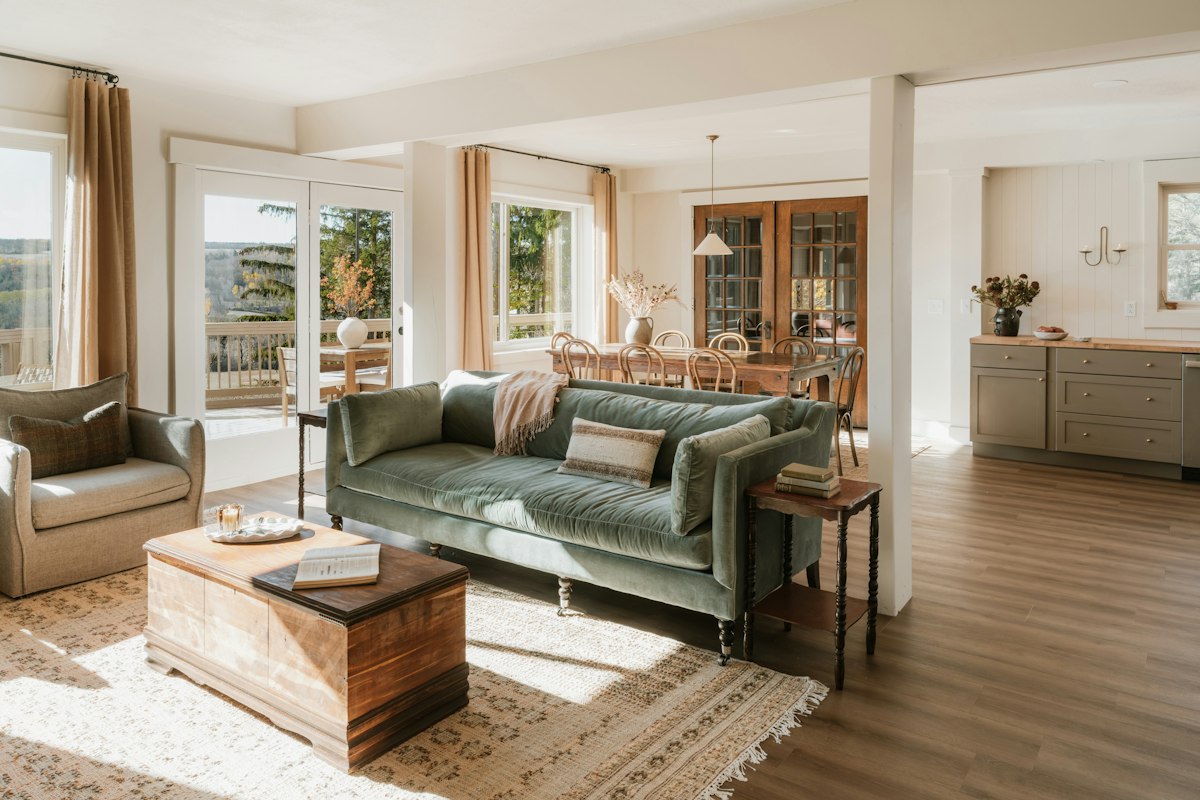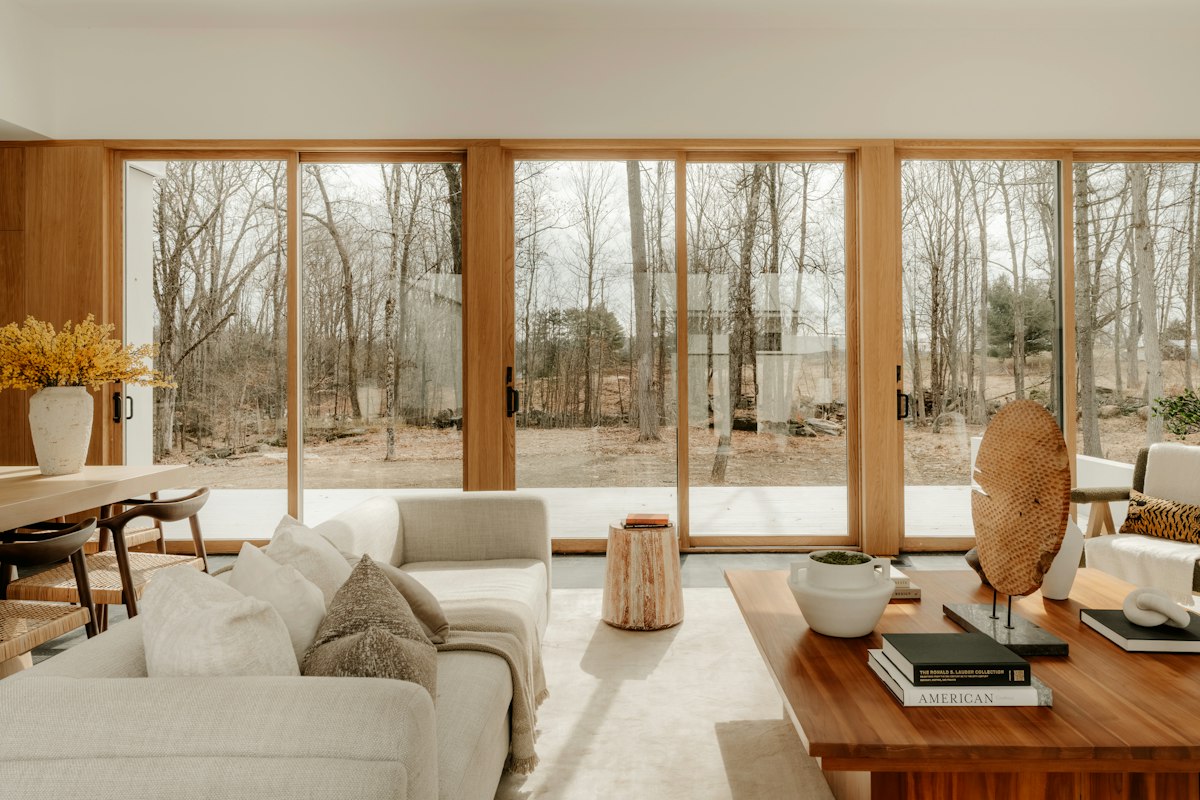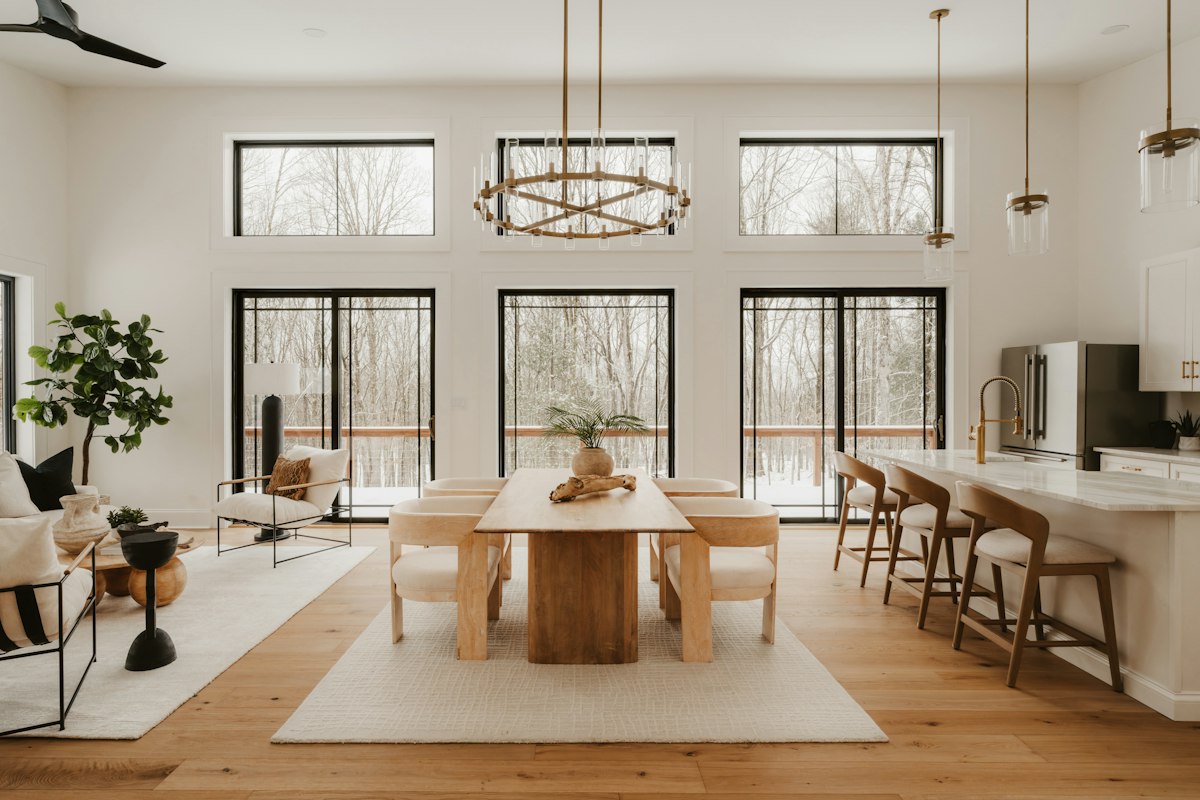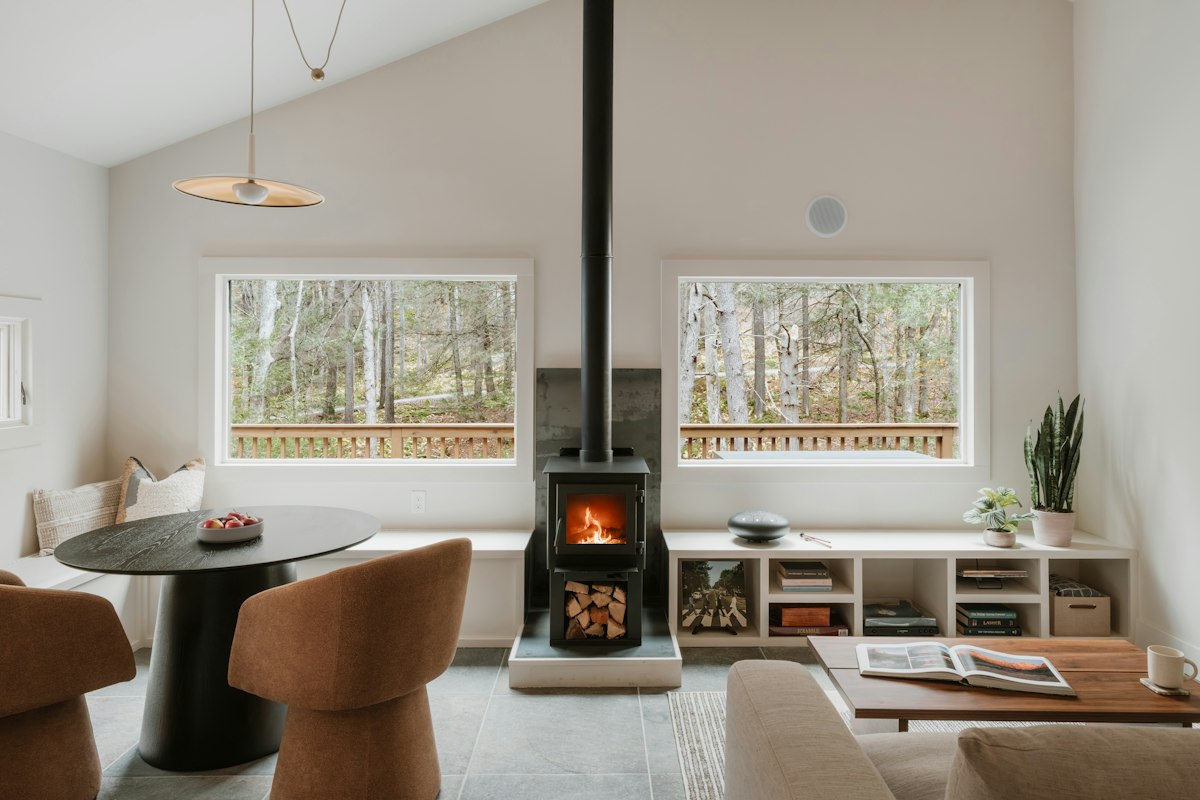
Choose artwork in relation to the wall and furniture rather than automatically centering a small frame in a large empty area. Lay out paper templates to test proportions. Check the view from seated positions as well as from the doorway.
For a group of frames, establish a clear relationship between edges or centers before making holes. Use fixings suitable for the wall and total weight. Be aware of concealed services and seek competent help if the fixing location is uncertain.
Consider glare and direct sunlight where the artwork has sensitive materials. A quieter surrounding arrangement allows a meaningful piece to have presence. Scale and placement often matter more than buying additional objects to fill the rest of the wall.
Consider the artwork and the surrounding furniture as one composition. A piece above a sofa is read in relation to that sofa, not simply to the full wall from corner to corner. Use a paper outline to compare sizes before committing to additional frames. Check the view from the doorway and from a normal seated position. The aim is to give the work a comfortable presence in the room rather than automatically filling every available section of wall.
For a group of pieces, arrange the relationship before making holes. Lay out the frames on a suitable surface or use templates to judge spacing and overall shape. A clear common edge, centre or visual balance can connect different sizes without making the group rigid. Include the frame widths in the composition. Small spacing decisions become more noticeable when repeated, so a little planning helps the collection look deliberate instead of gradually expanding without a clear boundary.
Notice the way light reaches the work. Glare from a lamp or window can make a meaningful image difficult to see, while direct sun may be unsuitable for sensitive materials. Ask for appropriate care advice where the artwork requires it. Moving a lamp or choosing another wall can be more useful than adding more pictures around a poorly placed piece. The location should allow the work to be enjoyed without compromising its condition.
Match the fixing method to the wall and the actual weight of the complete framed object. Use the relevant product guidance and seek competent help where the construction or concealed services are uncertain. Do not assume that hardware supplied for another picture is suitable simply because the frames look similar. Keep heavy or fragile pieces appropriately secured. A pleasing visual position still needs a dependable mounting arrangement and sensible access for future cleaning or adjustment.
Allow the room to settle around the artwork before buying objects to fill nearby gaps. A strong piece may benefit from a quieter cabinet surface or less competing pattern nearby. Meaningful work does not require decorative companions on every side to look complete. Review the effect during ordinary use, including from the main sofa. Good scale and placement can make an existing piece feel more important without replacing it or turning the wall into a dense display.
Measure your own room and check furniture, fixing and care instructions before buying. Have heavy wall mounted items and permanent electrical changes assessed by competent professionals where the installation requires it.