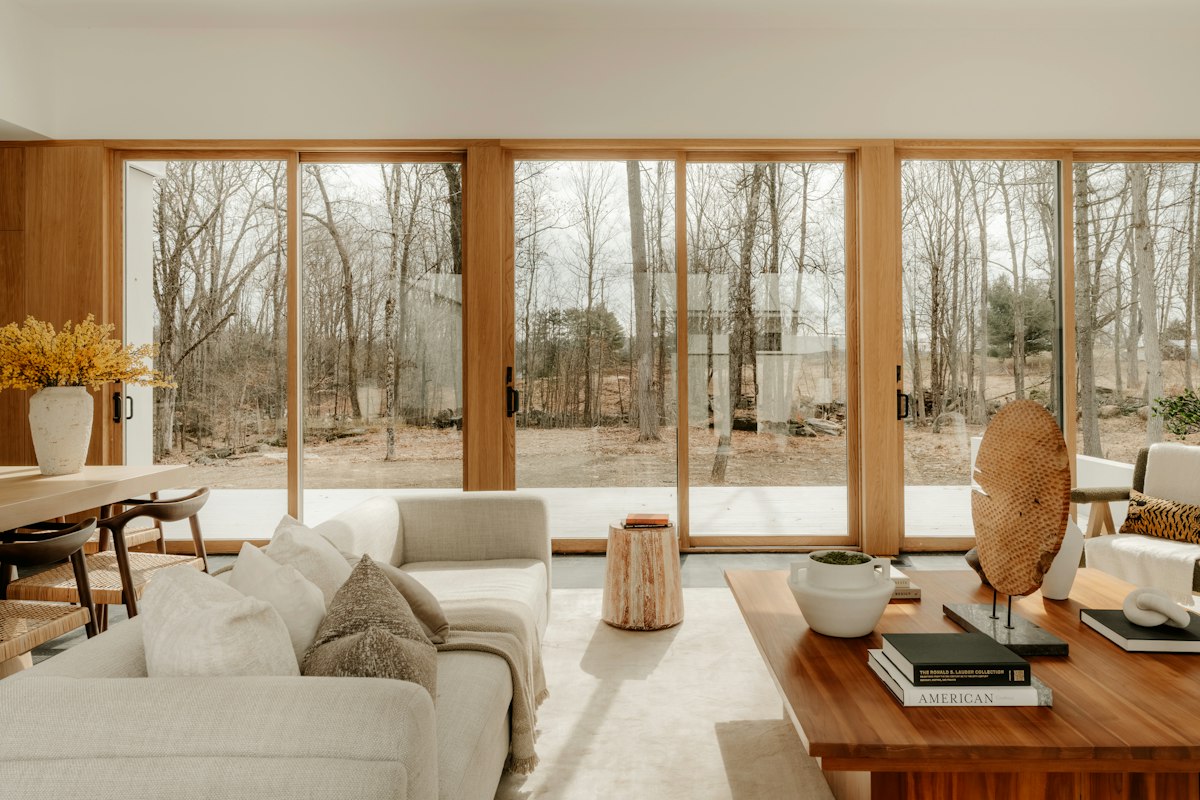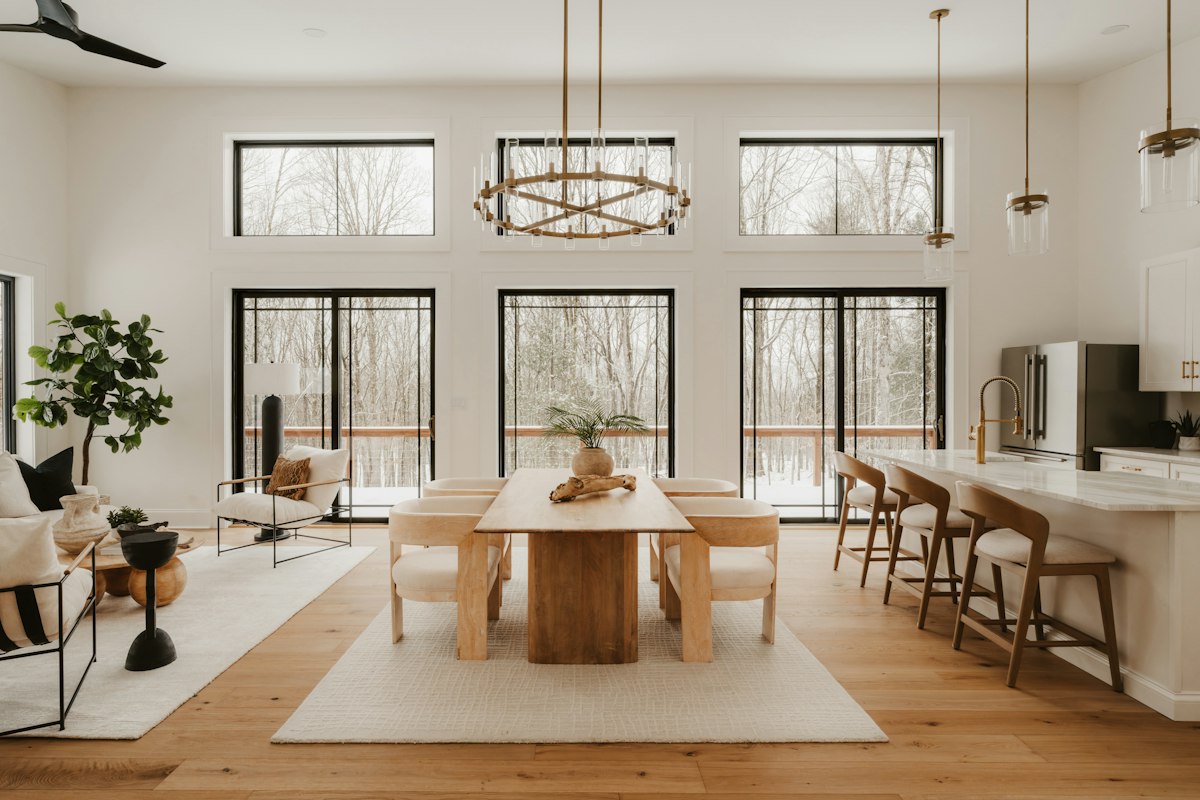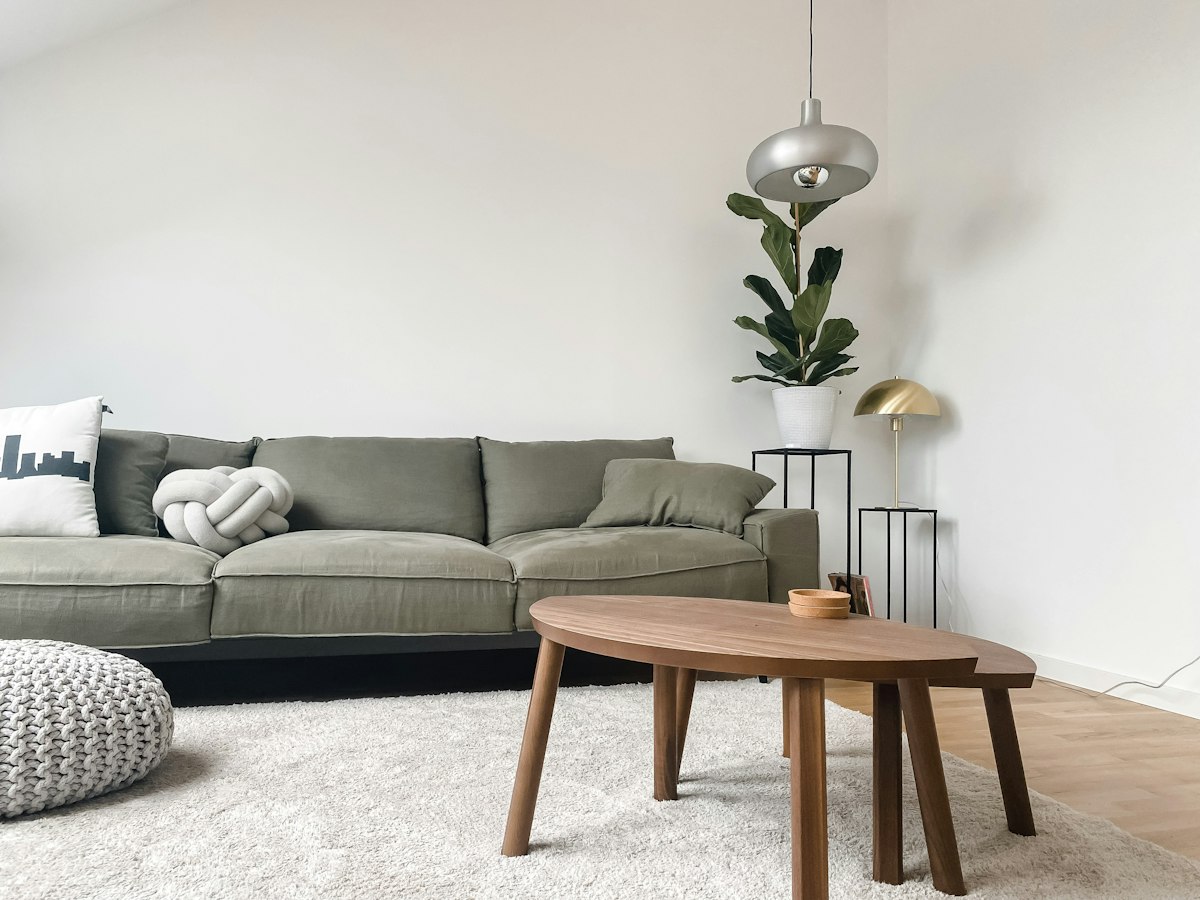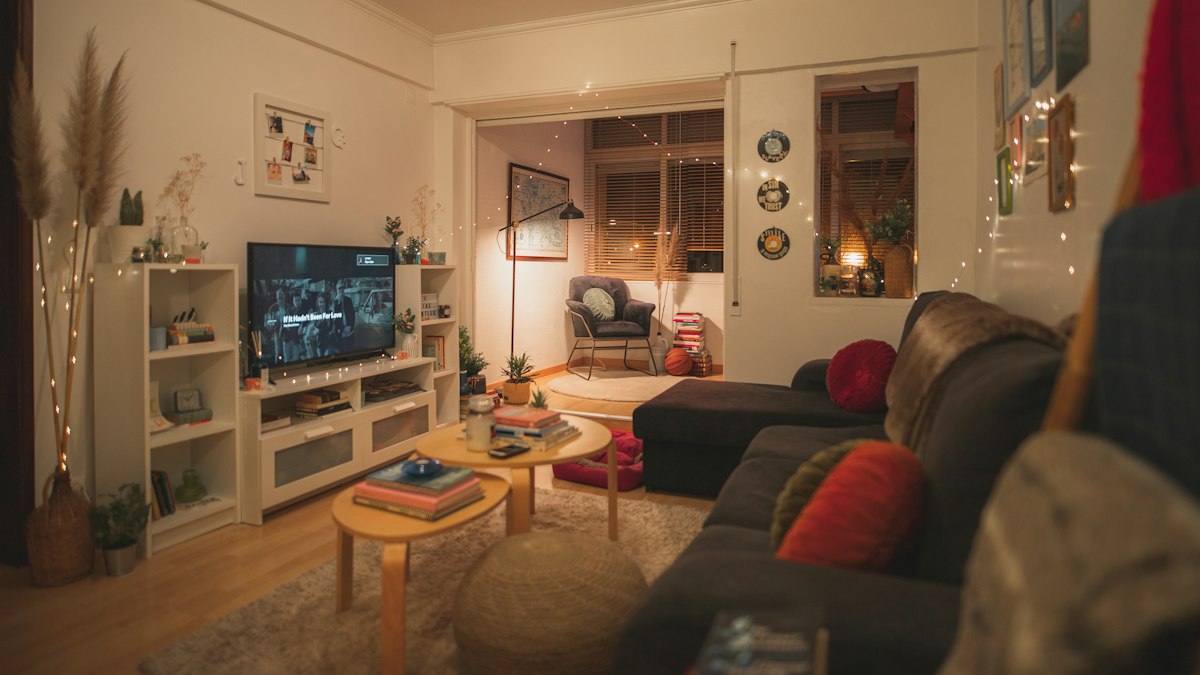
Keep comfortable movement and secure furniture at the center of the plan. Choose storage children can use appropriately and keep fragile objects out of active play routes. Follow manufacturer guidance for anchoring furniture and assess the actual wall construction.
Use washable materials where they suit the room and keep cords and unstable objects managed safely. Check window covering safety rather than assuming a decorative product is harmless. A family room should support adult comfort as well as the activities of children.
Create a simple place to return toys without requiring a perfect sorting system. Leave some open floor for play if that is part of everyday life. The room can remain considered and calm when its design acknowledges how the household really uses it.
Observe how the room is used across the day. Active play, homework, shared television time and adult conversation may all need a place, but not necessarily separate furniture for every activity. Identify the routines that happen most often and preserve comfortable circulation around them. A family room works better when its design acknowledges those movements. A styled arrangement that can only remain attractive while children avoid using it creates a recurring conflict rather than a useful shared space.
Choose storage that is understandable and manageable for the intended users. Broad categories and reachable containers may work better than a detailed sorting system that depends on constant adult attention. Keep unsuitable, fragile or valuable items appropriately protected. Do not let the storage itself create an obstruction or an unstable stack. Follow the furniture guidance for anchoring and capacity so convenience is considered alongside the construction and placement of the unit.
Review the room at a child's level as well as from the sofa. Cords, accessible mechanisms and objects near an active route can present concerns that are less obvious from above. Follow relevant product safety instructions, including those for furniture and window coverings, and seek competent advice where a fitting detail is uncertain. Avoid treating a decorative product as harmless merely because it is sold for a living room. The actual household circumstances should guide the choices.
Select surfaces whose care routine suits ordinary family use. A washable description needs to be checked against the manufacturer's instructions for the exact product. Some materials still require specialist attention or have restrictions on stain treatment. Choose what the household can realistically maintain without turning every spill into an experiment. Keep approved care information accessible. A practical finish can support a thoughtful room, but its usefulness depends on understanding rather than guessing how it should be cleaned.
Make restoring the room straightforward at the end of an activity. A clear place for toys, books and shared equipment can help the room return to adult use without an elaborate reset. Keep some comfortable seating and a pleasant lighting option for quieter moments too. Review the arrangement as children grow and routines change. A considered family room is flexible in a practical way, with useful systems that can adapt rather than a fixed decorative picture everyone has to protect.
Measure your own room and check furniture, fixing and care instructions before buying. Have heavy wall mounted items and permanent electrical changes assessed by competent professionals where the installation requires it.