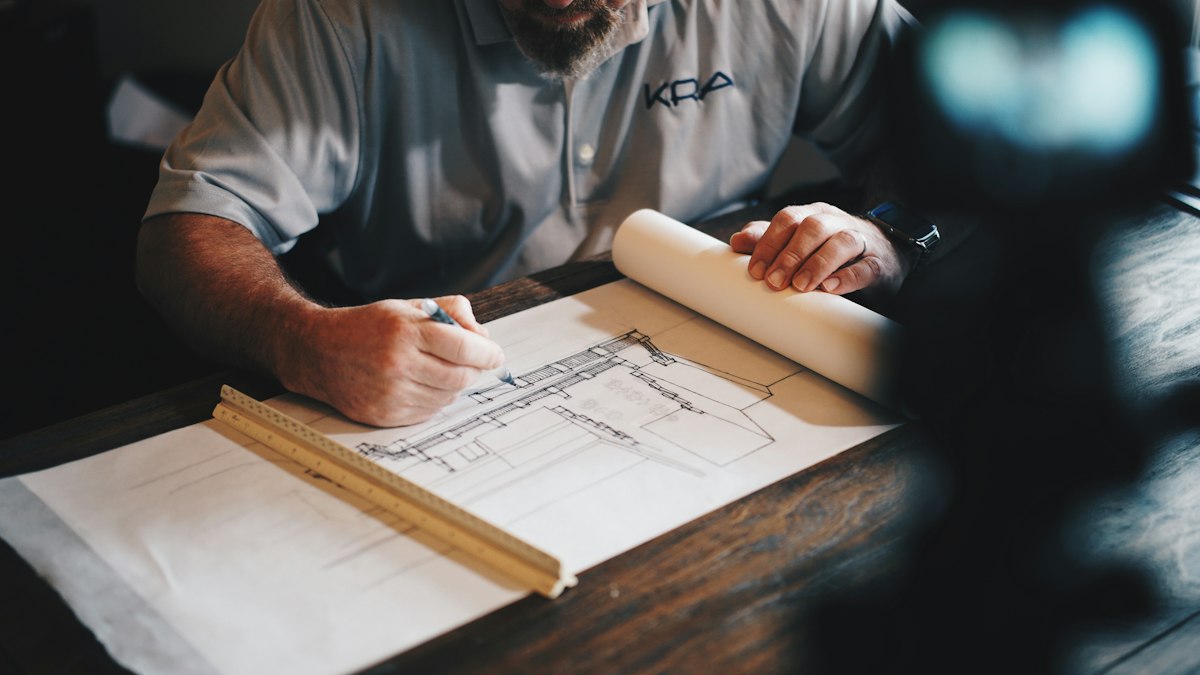
Bring a measured sketch, photographs and a short description of the problems you want solved. Explain your budget range and which decisions are fixed. A consultation becomes more productive when the professional understands the constraints before suggesting a visual direction.
Ask how their service is structured and which deliverables are included. Clarify whether site measurement, drawings, sourcing and contractor coordination are separate tasks. Discuss how changes are priced and who will confirm technical feasibility.
Take notes on unresolved questions and the next information each party needs. Do not treat an early concept as a construction instruction. Follow the meeting with a concise written brief so the next design stage develops from shared priorities.
Select photographs that explain a problem rather than bringing only attractive finished rooms. A view of the crowded doorway or the cupboard that cannot open can help a professional understand the brief quickly. Include a measured sketch if you have one and label uncertain dimensions honestly. The consultation can then focus on the actual room instead of spending the meeting discovering its basic constraints.
Prepare a concise account of the household routine and the changes you want most. Explain where the current arrangement creates friction and which features still work. A professional may suggest a less extensive solution when the underlying problem is clear. Keep a distinction between an essential requirement and a preferred appearance so alternative approaches can be assessed fairly.
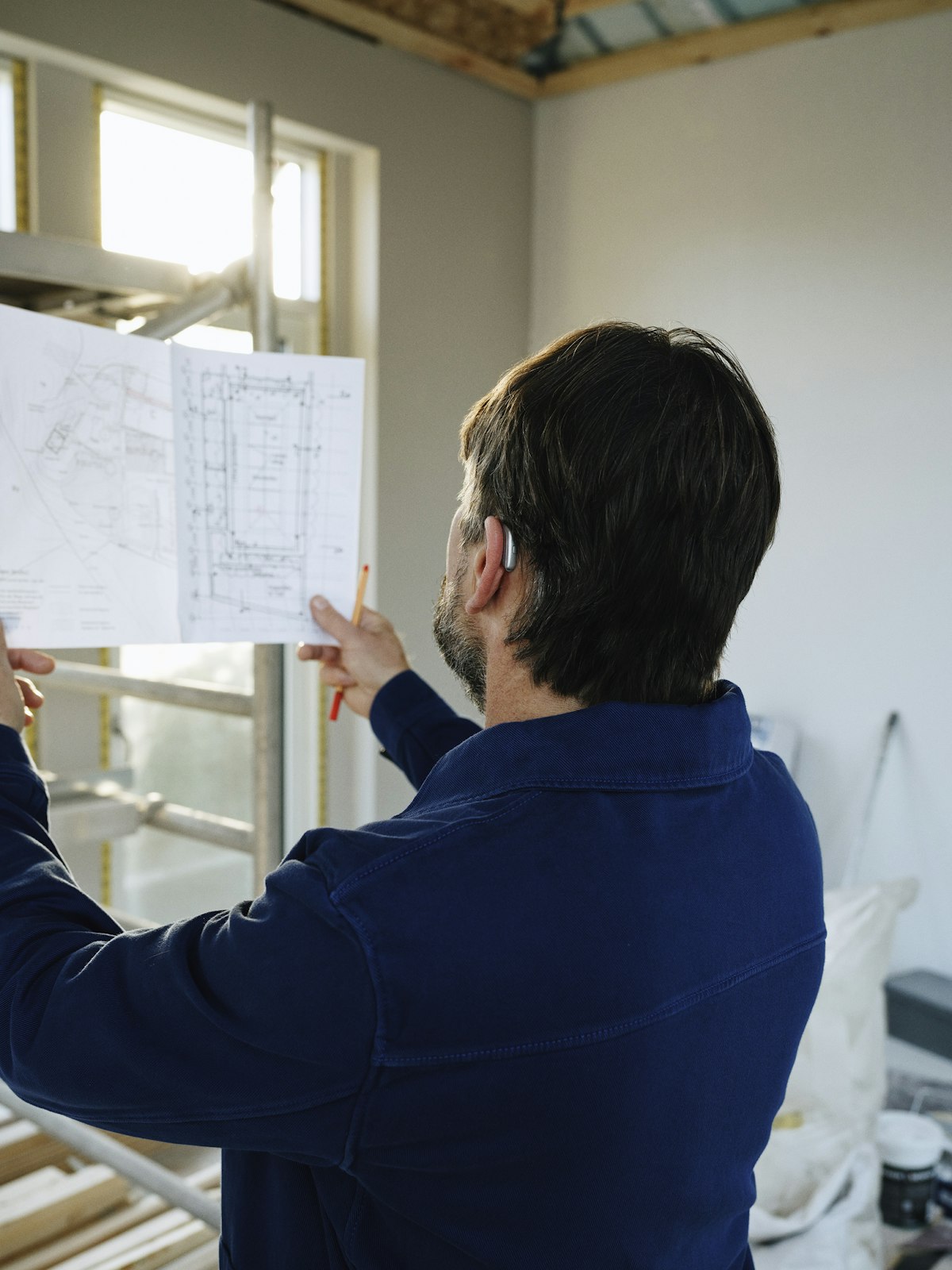
Ask how the professional will turn the discussion into usable work. Clarify whether you will receive notes, measured drawings, a concept, a specification or another defined deliverable. Establish what requires a later paid stage or specialist assessment. This avoids mistaking a productive conversation for a complete design that is ready to hand directly to a contractor.
Discuss the budget without treating it as an invitation to spend every available amount. Explain whether it covers professional fees, construction, furnishings and temporary arrangements. Ask what uncertainties need investigation before a reliable scope can be priced. The professional cannot remove uncertainty merely by hearing a target total, but they can help identify the information that would make the next decision sounder.
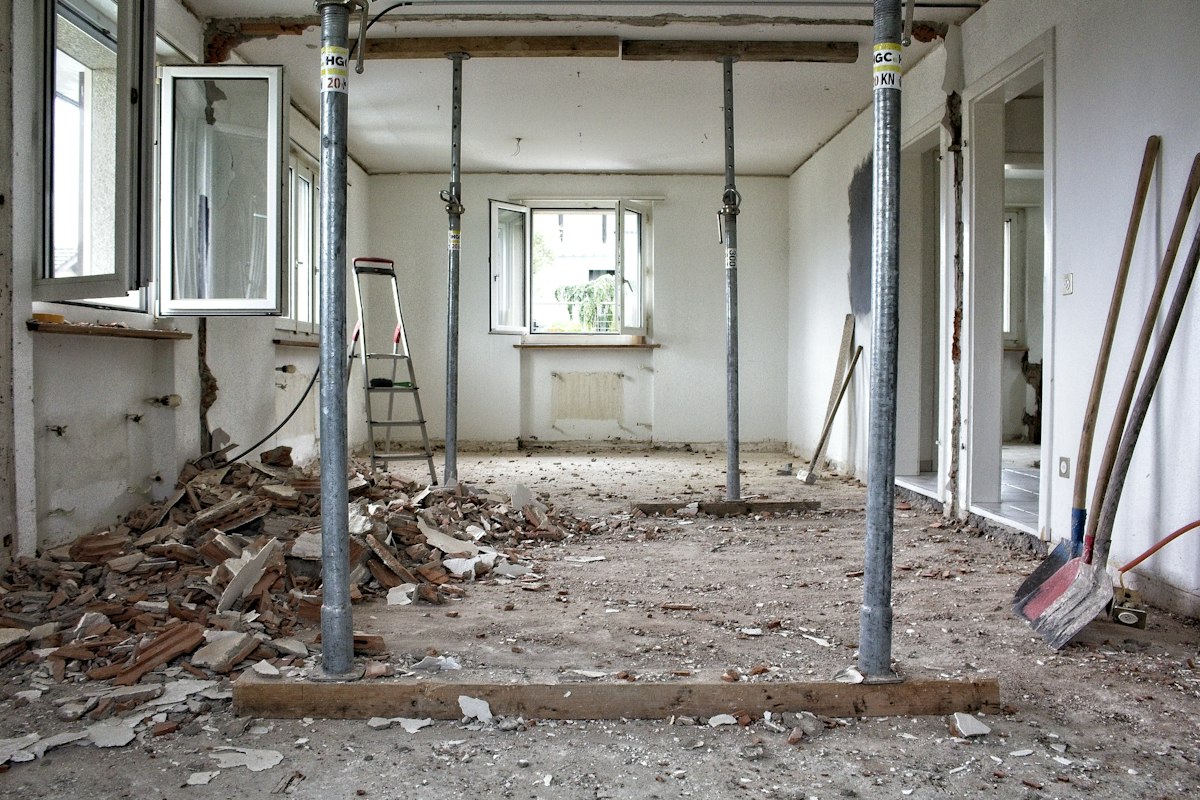
After the meeting, write a short summary of agreed priorities and unresolved questions. Confirm the proposed next step before ordering products based on an early suggestion. A consultation may reveal that another specialist needs to assess structure, services or material condition first. That information is useful progress, even when it means the project brief must change before a visual design is developed further.
Prepare one question about the immediate next decision rather than asking the consultation to settle every possible future detail. You may need a feasibility assessment before choosing finishes, or a measured layout before comparing cabinetry. Understanding that sequence helps the meeting produce a useful next step.
Use these ideas to prepare a brief for your own property. Confirm measurements on site and ask appropriately qualified local professionals about approvals, technical design and work that requires specialist competence.