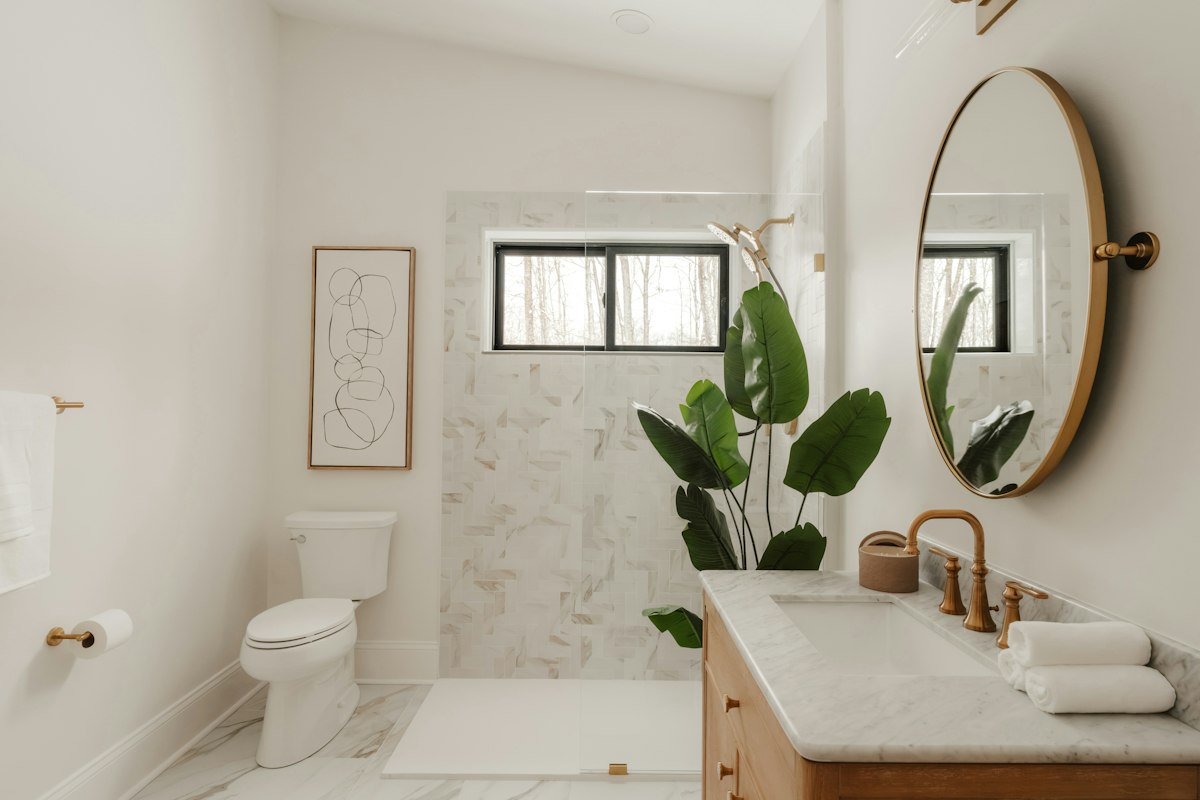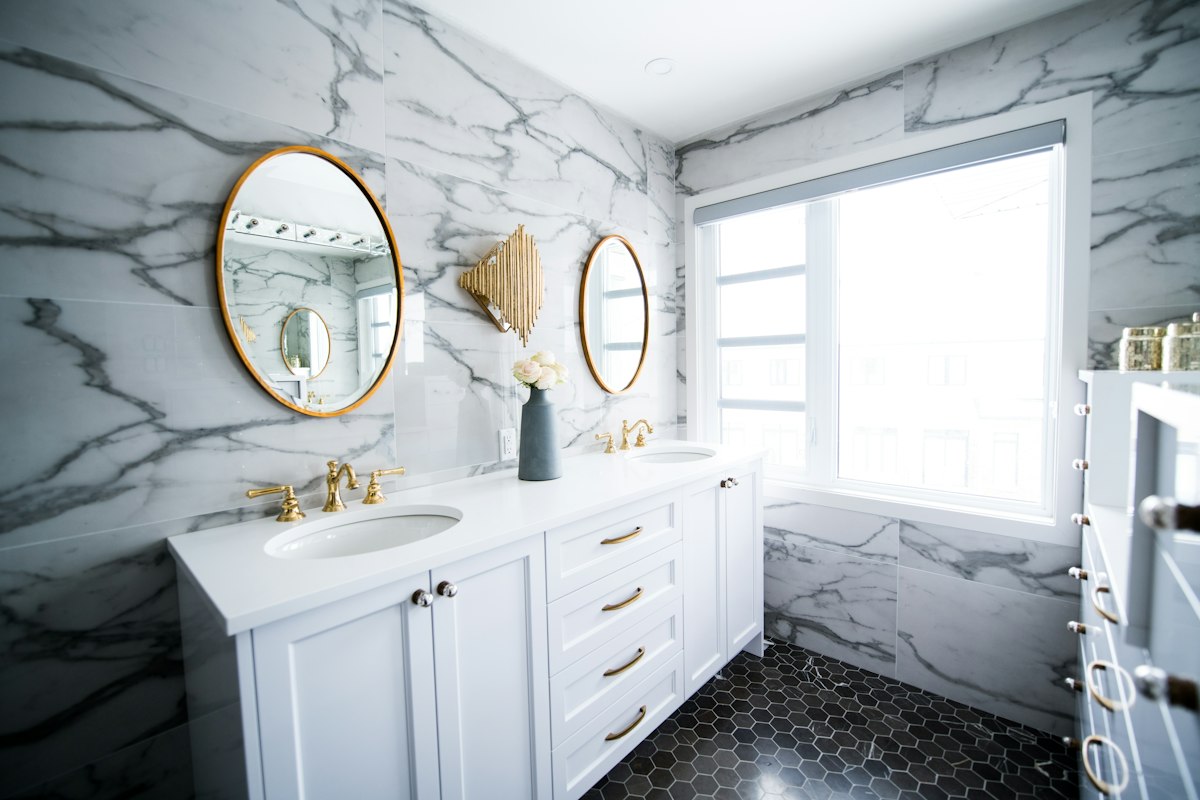
Keep the items used every day close to the basin and move occasional products into closed storage. A clear surface is easier to wipe and helps the room feel calmer. Measure bottles and toothbrush storage before buying a shallow cabinet that cannot hold them upright.
Use a small washable tray only if it improves cleaning rather than becoming another crowded layer. Choose accessories that stand securely and do not block the tap or basin edge. Avoid placing electrical grooming tools where they can fall into water.
Review the arrangement after a week of normal use. The right amount of storage depends on habits, not a styled photograph. A few well placed compartments can provide a more lasting improvement than buying several matching containers without a plan.
Watch what appears on the basin surface during several normal days. Some objects belong there because they are used repeatedly, while others remain simply because no alternative home exists. Distinguish between those groups before buying storage. A toothbrush holder, hand soap and a place for a daily product may be enough for one household. Another may need more nearby capacity. The arrangement should support the routine rather than an image of a completely empty countertop.
Give frequent items a reachable place that is also easy to clean. Drawers can work well for small products if their internal height and plumbing cutouts allow useful organization. A shallow mirrored cabinet may suit some toiletries but not tall pump bottles. Check actual dimensions against the items before ordering inserts or containers. Matching accessories are less helpful when their shape wastes the limited space that the bathroom genuinely needs.
Keep the basin edge and the tap approach clear. A tray can group products, but it can also hide water or make the surface harder to wipe if crowded into a narrow gap. Choose only pieces that can be lifted and cleaned comfortably. Move occasional cosmetics or reserve bottles to a dry cupboard elsewhere. Reducing the number of things stored beside water often brings more lasting improvement than finding a container for every existing object.
Plan separately for items that should remain dry, including electrical grooming equipment. Follow the product and electrical safety guidance rather than placing tools where they could fall into the basin. Any new electrical arrangement needs assessment by a qualified professional. A convenient storage plan should not depend on a trailing lead across a wet surface. Clear distinctions between washing space and dry storage make the basin easier and more sensible to use.
Review the result after ordinary use instead of judging it only when freshly arranged. If items repeatedly end up on the same empty corner, that may be the most useful location for them. If a container is always in the way, remove it or change its position. Keep the system simple enough for everyone using the room to understand. A calmer basin area comes from a few reliable habits and well sized storage rather than repeated elaborate styling.
A bathroom must be assessed as a complete installation. Confirm product suitability, waterproofing, ventilation and applicable local requirements with qualified installers before beginning work or purchasing fitted components.