Keep the furniture that is comfortable and sound, then identify the room weakest point. It may need better light, a more useful layout or curtains that fit. Solving one clear problem can improve the room more than buying many small accessories.
Test rearrangement and a focused palette before ordering replacements. Consider new bedding or a suitable paint system if they connect existing pieces. Reserve part of the budget for practical needs such as safe fixings and storage rather than spending everything on decoration.
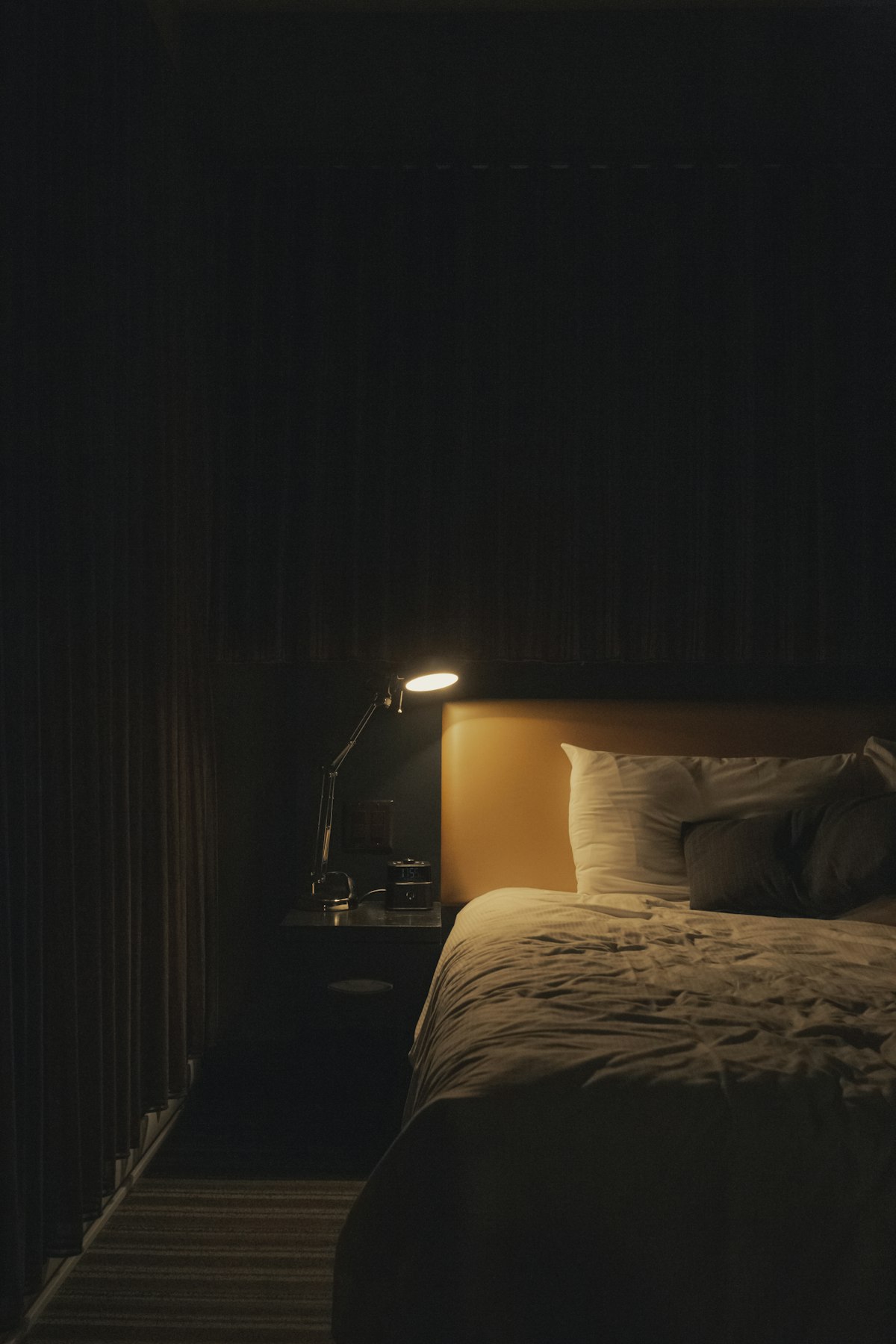
Set a small budget around a defined problem rather than a broad wish to make the room look new. If the main issue is awkward movement, repainting will not resolve it. If the bed is comfortable but the room feels harsh at night, lighting may deserve attention first. Write the desired improvement in one sentence before choosing purchases.
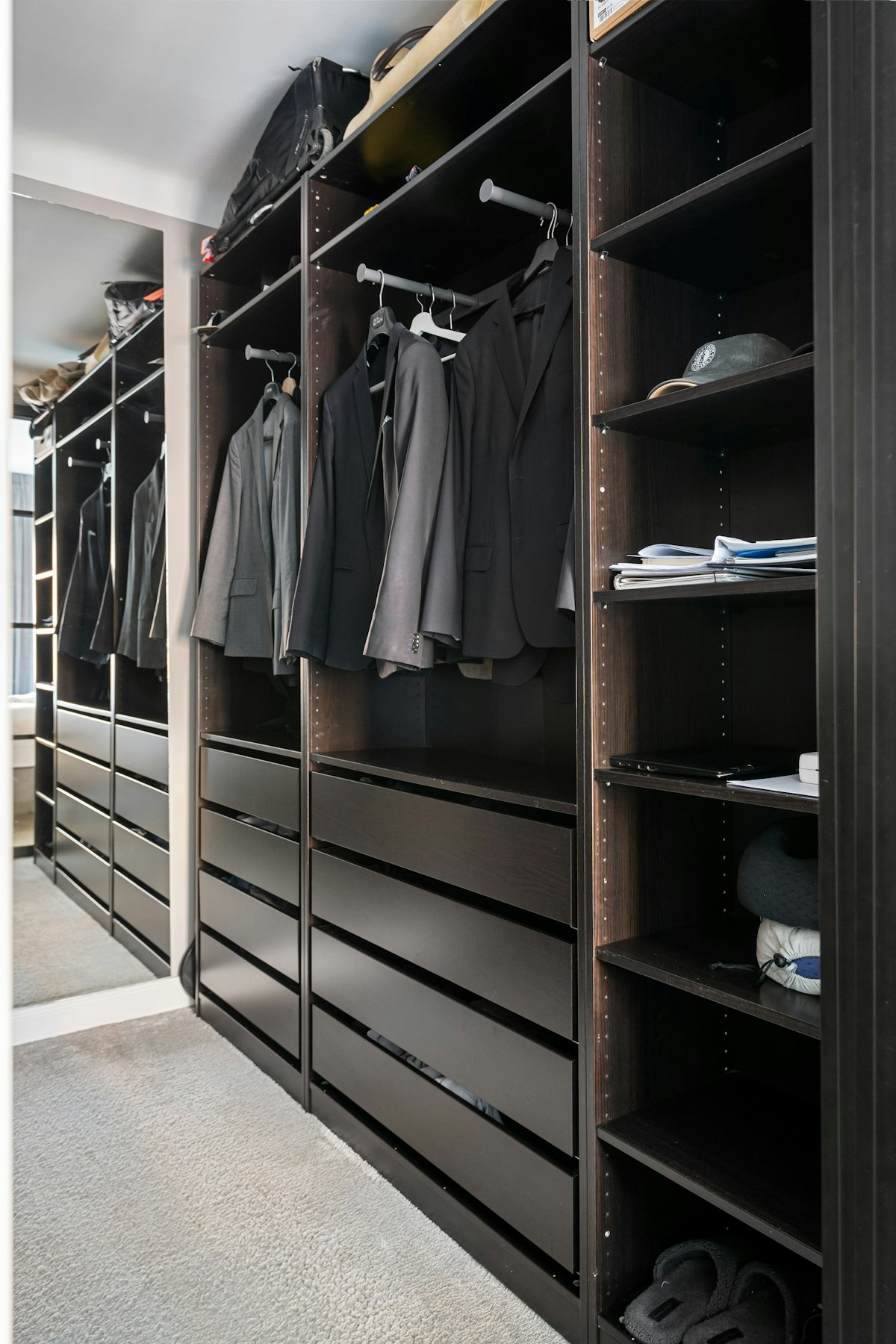
Review existing furniture by condition and usefulness. A sound chest may need an internal reorganization, while an unstable or unsuitable piece may require proper repair or replacement. Do not spend decorative funds concealing a functional defect. Compare the cost of the necessary work with the expected usefulness of the retained item.
Try layout changes with what you own and measure the result. Moving a chair or reducing duplicate storage may free enough space for a more comfortable arrangement. Take simple photographs from the same doorway to compare versions. Judge them alongside the ordinary routine rather than selecting only the view that looks most attractive.
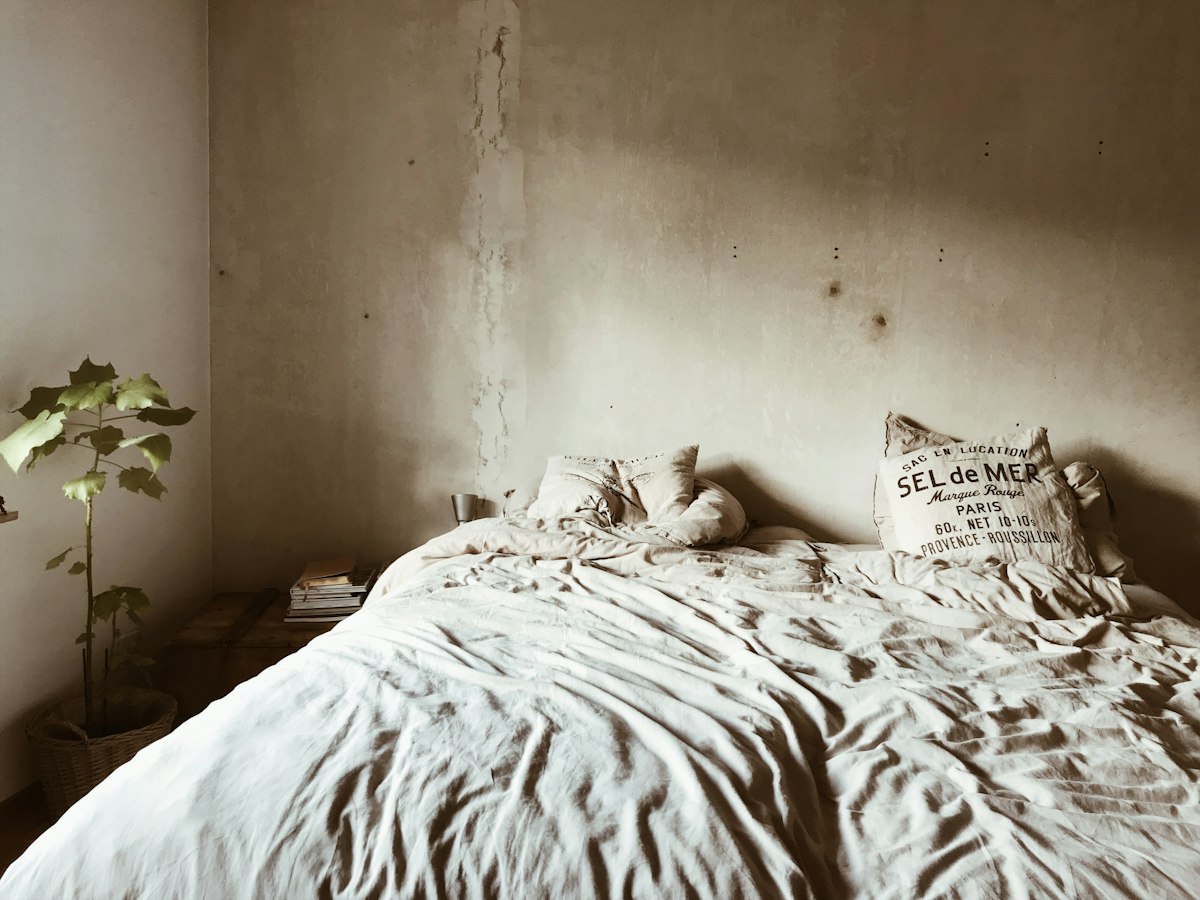
Choose one palette from the retained furniture and fixed surfaces. A new bedding colour or suitable wall paint can connect mismatched pieces without replacing them all. Test physical samples in the room light. Avoid buying several inexpensive accents separately, since their combined cost may exceed one more useful improvement and leave the room visually busier.
Include the less visible costs in the plan. Appropriate fixings, surface preparation, delivery and any qualified electrical work can matter more than another decorative accessory. Follow product instructions rather than using an unsuitable adhesive or coating to reduce expense. A limited budget is easier to manage when the full cost of the chosen task is understood.
Buy in a sequence that lets the first improvement inform the next. Better lighting may change how a paint sample appears, while a revised layout may remove the need for an extra table. Keep receipts and check returns before ordering. Waiting until the room has been used can prevent spending the remaining budget on a solution to a problem that no longer exists.
Reserve a modest amount for the practical finishing details identified during use. A useful hook, compatible lamp or correctly sized storage container may make more difference than an additional decorative layer. Measure these final purchases as carefully as larger furniture rather than treating small items as risk free.
Repair items where the condition and cost justify it. Measure each new purchase against the actual room. A modest refresh succeeds when daily comfort improves and the final arrangement remains easy to maintain.
Check dimensions against your room and follow furniture anchoring, textile care and electrical safety instructions. Use a competent installer for uncertain wall fixings and appropriately qualified help for permanent service changes.