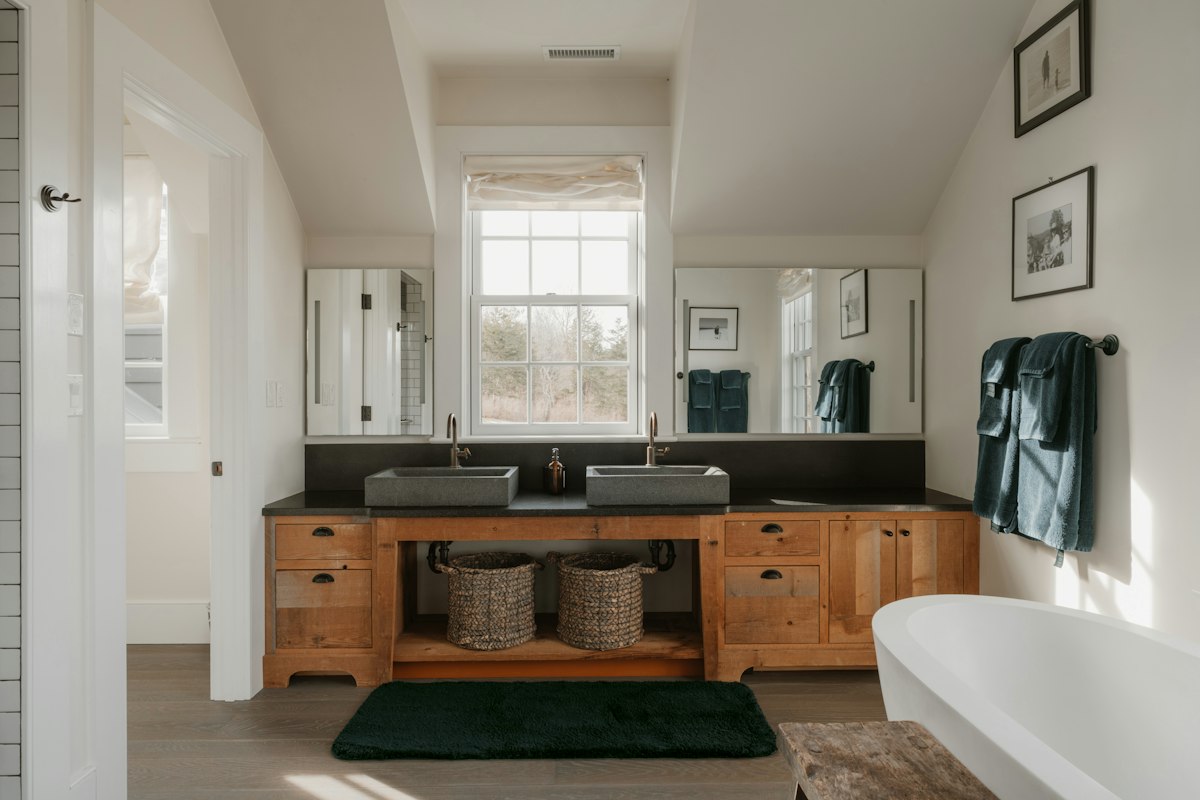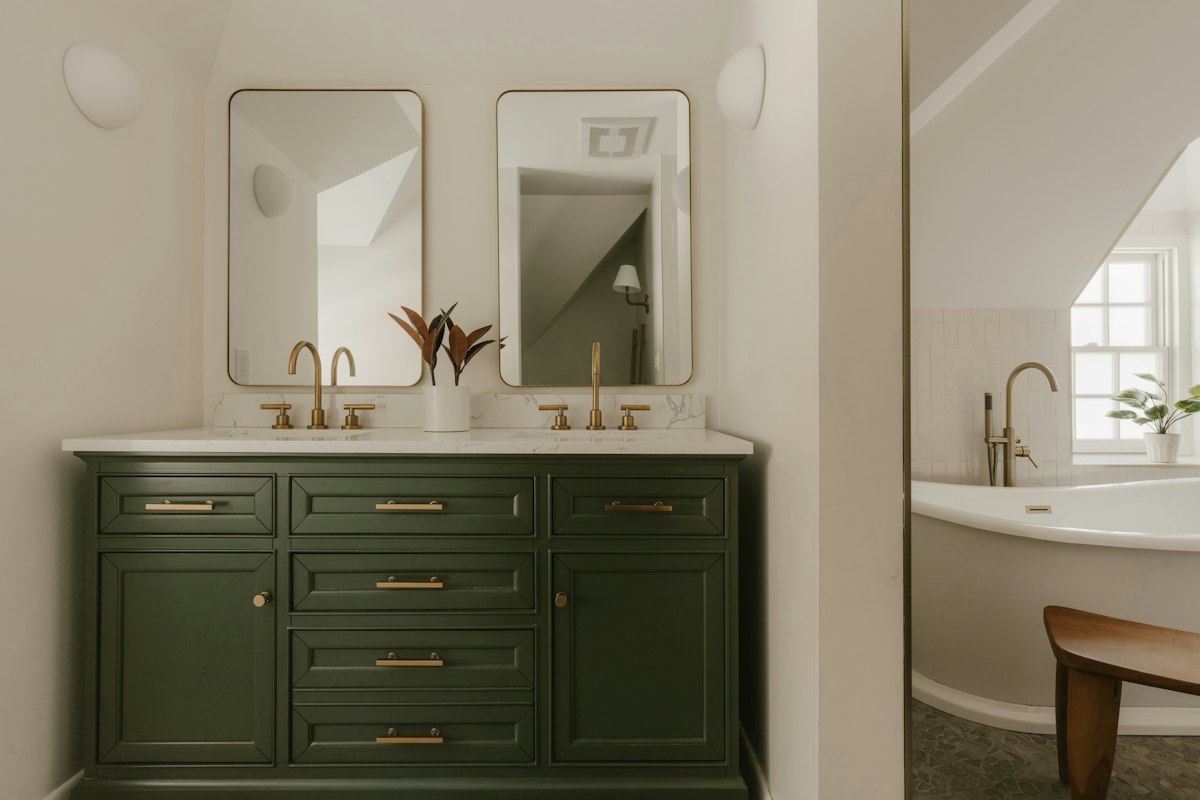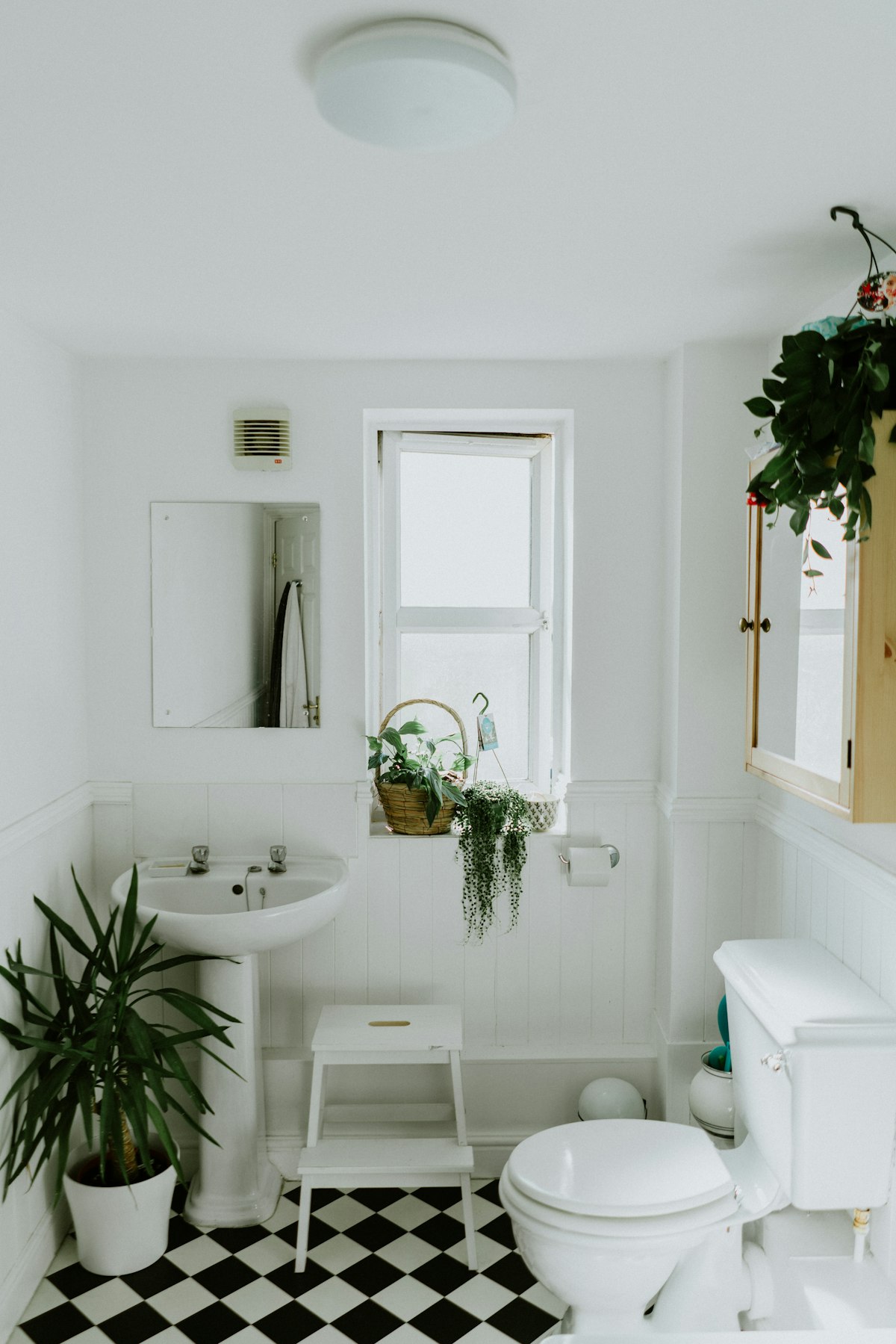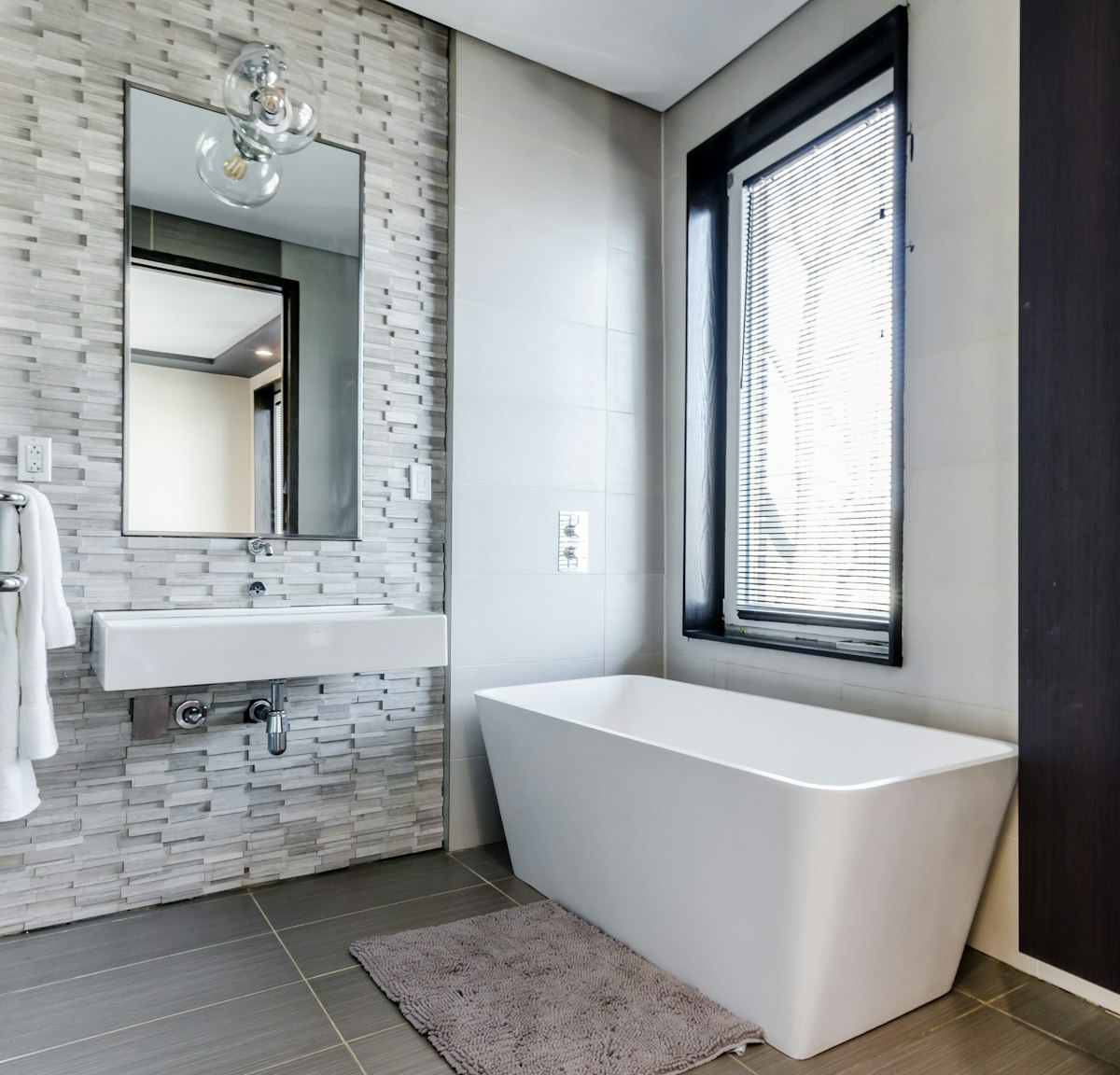
Look for documented suitability for the intended bathroom location and ask about slip performance. Surface texture, cleaning and water exposure matter together. A highly polished sample can look appealing in a showroom while being a poor choice for the way your household uses the room.
Discuss the substrate, transitions and compatible installation system with the installer. Check door clearances and adjacent floor heights. Do not assume a water resistant surface makes the whole floor construction waterproof, especially at edges and penetrations.
Use cleaning products appropriate for the finish and remove standing water promptly. Keep bath mats secure and dry them regularly. The most useful floor balances comfortable movement, sensible maintenance and a correctly prepared base beneath it.
Think through the wettest moments in the room. Water may collect where someone leaves the shower, beside a bath or around a basin used by children. The floor choice must suit the intended exposure and the people moving across it. Ask the supplier for information relevant to that exact use. A general description such as suitable for the home is less useful than documented suitability for the proposed bathroom location and conditions.
Compare the sensation and maintenance of several suitable surfaces. Texture can influence cleaning effort as well as movement, and the appearance of a small dry sample does not tell the whole story. Ask how the finish behaves when used as intended and which cleaning methods preserve it. Consider the household routine realistically. The right balance is a floor that can be kept in good condition without demanding a level of attention nobody can provide.
Discuss transitions with the installer before the finish is ordered. The floor needs to meet the doorway and adjoining surface sensibly, and the proposed build up may affect clearances. Ask how the design deals with edges, penetrations and the wet area system. A water resistant product is only one component of the construction. Avoid treating the product label as evidence that every junction and layer beneath it will automatically manage water.
Look at pattern and joint placement in the context of movement. A busy design can disguise small everyday marks, but strong stripes or abrupt changes may make a compact room visually confusing. A quieter finish may emphasize the fixtures more clearly. Compare the proposed flooring beside the wall tile and vanity, allowing the practical requirements to narrow the options first. This avoids choosing an attractive surface and discovering later that its intended use does not match the room.
At handover, obtain the precise care instructions and keep any spare material or product references. Choose bath mats that sit securely and can be dried and cleaned as intended. If a floor area stays wet or shows recurring damage, investigate the reason rather than adding more coverings. A dependable bathroom floor combines an appropriate visible surface, a correctly specified supporting construction and habits that allow water to be managed after normal use.
A bathroom must be assessed as a complete installation. Confirm product suitability, waterproofing, ventilation and applicable local requirements with qualified installers before beginning work or purchasing fitted components.