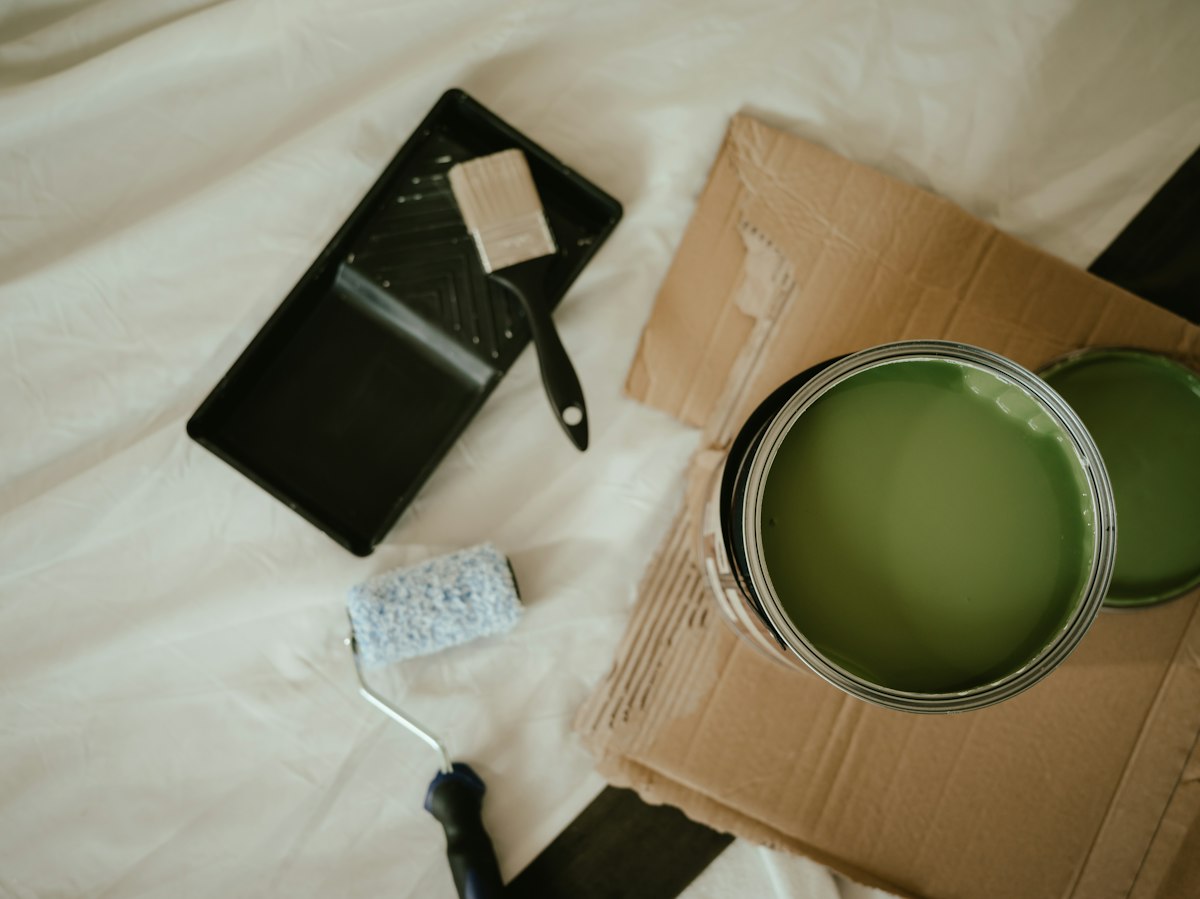
Keep leftover products in their original containers where possible and follow the label storage instructions. Retain product names, colour references and safety information. A mystery jar of paint is difficult to use correctly and may lose the information needed for disposal.
Store materials away from children, pets and unsuitable temperature or heat conditions as directed. Do not pour unwanted chemicals or coatings into drains. Ask the relevant local service about disposal options for the actual product and container.
Label spare tiles and hardware with the room and installation location. Keep a manageable quantity rather than filling storage with unidentified offcuts. Organized leftovers make future repairs easier while keeping the home safer and less cluttered.
Sort what is worth keeping before deciding where to put it. A labelled spare tile, a matching handle and a usable quantity of paint may support future repairs. Unidentified offcuts and containers with missing instructions can create more confusion than value. Keep a modest reserve related to actual installed products rather than treating every leftover as potentially indispensable.
Read the storage instructions for each product rather than giving all renovation materials the same shelf. Temperature, ventilation, fire precautions and container condition may matter differently. Keep products away from children and pets as directed and do not place them beside unsuitable heat sources. Ask the supplier when the original label has become unreadable instead of guessing from the contents.
Retain original containers where possible because they carry information needed for safe use and disposal. If a product must be identified separately, keep a clear link to its full instructions and original reference. Never use food or drink containers for renovation chemicals. A familiar looking bottle can create a dangerous misunderstanding long after the project is forgotten.
Label solid spare materials with the room, location, product and batch where relevant. Protect fragile pieces from damage and follow the supplier storage guidance. Heavy materials should not be placed on furniture or shelving without verifying its capacity and stability. A useful spare is one that can be found and retrieved safely when a repair is needed.
Review stored products periodically and before future use. Follow the manufacturer advice on usable life and signs that a product should not be applied. Do not assume that a tightly closed container guarantees the contents are still suitable. An unsuitable leftover can compromise a small repair and leave a larger area needing attention.
Use the appropriate local disposal route when material is no longer needed. Requirements depend on the product and area, so ask the relevant service rather than pouring liquids into drains or placing uncertain chemicals in ordinary waste. Keep necessary records until disposal is complete. Responsible storage includes a realistic plan for letting go of leftovers that no longer serve the home.
Always use the guidance for the exact product and finish in your home. Seek a qualified assessment before disturbing uncertain old materials, and do not treat general care advice as a substitute for diagnosing damage.