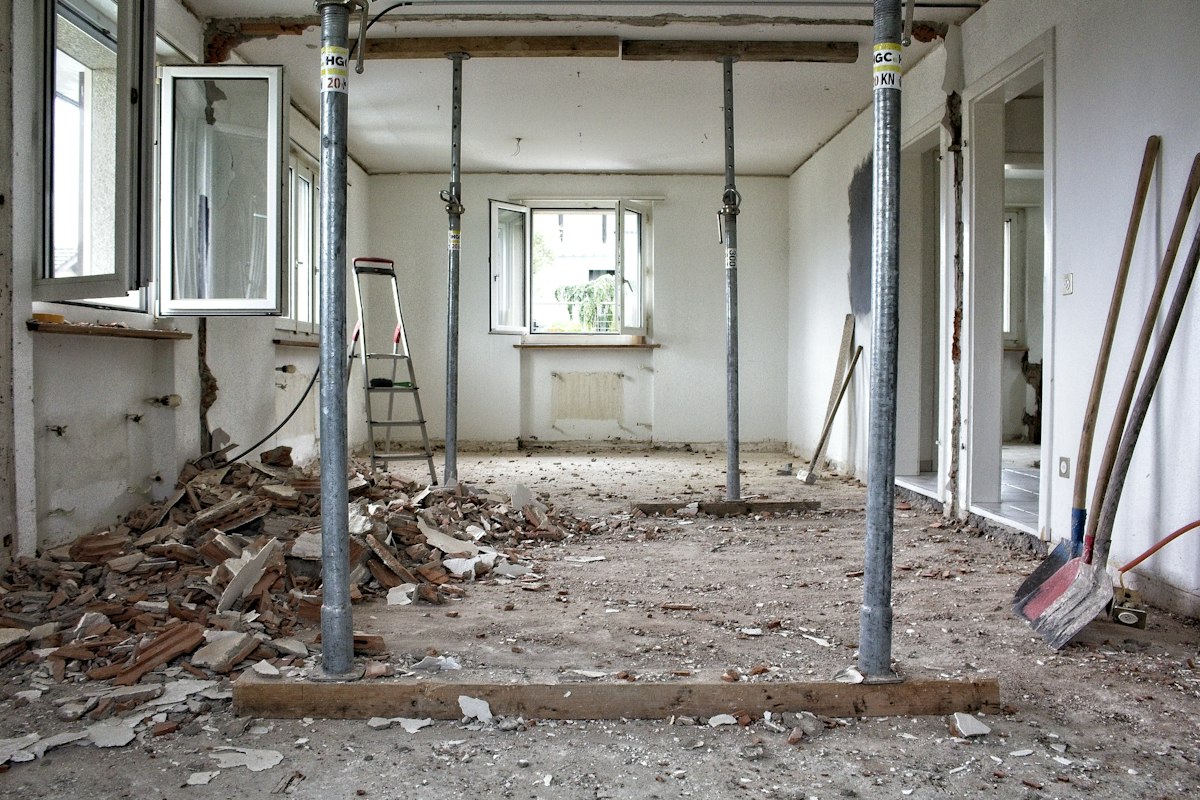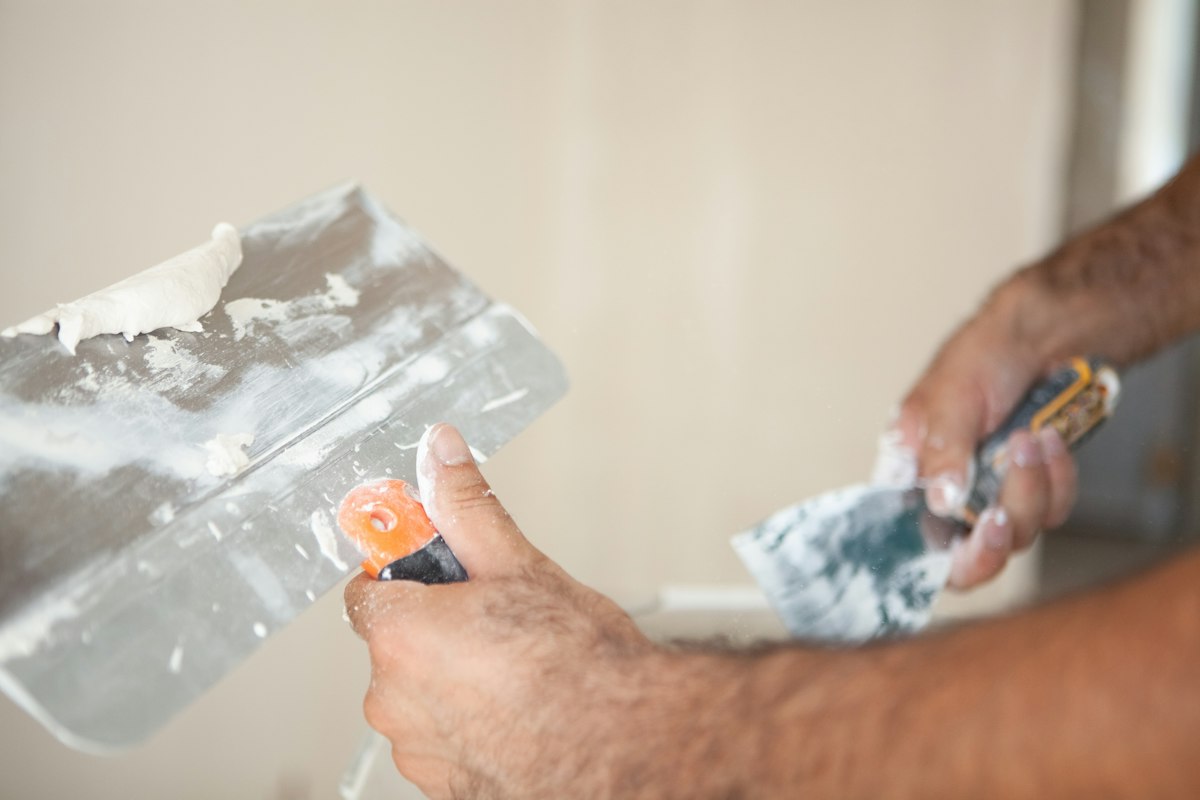
Repair restores a part of the home so it works as intended. Remodeling changes the layout, function or appearance more substantially. Identifying which problem you have helps avoid paying for a decorative transformation when a specific defect needs attention first.
Investigate the cause of recurring damage before replacing its surface. Staining, movement or loose finishes can have several causes that need assessment. Ask for separate pricing for the necessary repair and any optional improvement you want to combine with it.
Consider access and disruption when grouping work. A repair may provide a useful opportunity to improve an awkward detail, but it does not justify unrelated demolition. Keep the decision tied to performance, safety and the way you expect to use the room.
Trace the symptom to the question that needs answering. A damaged patch of paint might call for surface preparation, but recurring damage in the same place could require assessment of moisture or movement. Describe the history and timing to a competent professional. Do not ask a decorative contractor simply to hide the evidence before the underlying cause has been considered.
Separate the necessary repair scope from the optional improvement scope in the estimate. For example, restoring a damaged wall and changing the whole room colour may be related but are still different decisions. This separation helps you see the cost of making the home sound and the additional cost of changing its appearance. It also gives you more useful choices if the budget needs adjustment.
Consider whether repair access creates a sensible opportunity for improvement. If a wall must be opened for a legitimate reason, another planned detail might be coordinated while access is available. Have the relevant professionals assess the combined scope, rather than assuming the extra work is simple. An opportunity is valuable only when it solves a real need without adding disproportionate complexity.
Compare the effect on adjoining finishes and household disruption. A local repair may be technically sufficient while leaving a visible patch that you would prefer to redecorate. A broader remodel may produce consistency but require removal of serviceable material. Discuss both outcomes and decide which matters to you. Neither the smallest intervention nor the most comprehensive renovation is automatically the best answer.
Keep records of the diagnosis and completed repair so later maintenance starts from informed facts. Follow any instructions about drying or observation before final decoration. If the problem returns, report it rather than repeatedly adding another surface treatment. A good project resolves the performance issue first and then chooses an appropriate level of visual improvement around it.
Ask how the repaired area should be observed before it receives its final finish. The appropriate period and conditions depend on the cause and products involved, so follow the professional guidance. Reporting a continuing symptom is more helpful than applying another decorative layer to make the room look complete.
Use these ideas to prepare a brief for your own property. Confirm measurements on site and ask appropriately qualified local professionals about approvals, technical design and work that requires specialist competence.